When you plan a trip, you usually consider travel time, ticket costs, popular tourist attractions, restaurants, and accommodations. With dark tourism, the planning also includes understanding the history behind the place. These trips take you to locations connected to tragedy, conflict, or disast er that today function as memorials, museums, or protected historical sites.
Interest in dark tourism has grown in recent years as documentaries, podcasts, and digital archives make complex historical events easier to explore before you even book a flight. With more context available, many travelers want to see these places in person to better understand the events that shaped them.
This guide focuses on dark tourism destinations you can visit today, with practical travel and budget considerations to help you plan a thoughtful and well-organized visit. Find more unusual places to add to your bucket list.
Read in this article:
What is Dark Tourism?
Dark tourism refers to travel associated with sites connected to human tragedy or large-scale loss, where the location now serves as a place of public memory and education. Two university professors, John Lennon and Malcolm Foley, coined the term in 1996 when examining tourism at locations linked to major historical disasters.
Common dark tourism examples include visiting places such as:
- Former concentration camps
- Atomic bomb memorials
- Genocide memorials
- Disaster zones with controlled access
- Former prisons
Many dark tourism sites today function as museums, memorial parks, or protected heritage areas. They display historical documents, provide clear timelines of events, and highlight testimonials from verified accounts. Together, these give you a deeper understanding of the important historical events that took place at these sites.
Many memorial museums use timed entry rather than general admission during peak tourism months. Instead of walking in freely, you reserve a specific arrival slot, such as 10:30 am or 2:00 pm. We recommend reserving your tickets in advance, preferably at least 10–14 days before travel, so your visit fits smoothly into your itinerary.
Next in this series: Catatumbo Lightning Explained: Is It Dangerous and Why It Happens
Why do people visit Dark Tourism sites?
Visiting places connected to difficult history naturally raises questions. Many travelers ask themselves:
- Is it disrespectful?
- Is it educational?
- Is it safe?
In most cases, established memorial sites are designed to welcome visitors while maintaining a respectful atmosphere.
People usually visit dark tourism sites with the goal of gaining a deeper historical understanding. Seeing a place in person often provides context that books, documentaries, or classroom lessons cannot fully convey.
Such visits become highly educational. Museums and memorial exhibits explain not only what happened at a site, but also the wider historical consequences that followed.
Many visitors also feel a strong emotional connection when they encounter personal stories, photographs, or preserved locations. These details turn large historical statistics into individual human experiences.
As a result, reflection often becomes part of the visit, too. After standing in a place of great human suffering, people start reevaluating many aspects of their own lives.
Such travel decisions are also driven by curiosity, especially when these locations are close to major cities or other well-known destinations. When travelers already plan to visit places like Kraków, Hiroshima, or Cape Town, nearby historical sites often become meaningful additions to the itinerary.
From a practical perspective, most established dark tourism destinations operate under clear safety guidelines. Official tour operators, designated walkways, and restricted zones help ensure visitors can explore the sites responsibly and safely.
Before booking your tickets, review official travel advisories on travel.state.gov to confirm current safety conditions and entry rules of different destinations.
Next in this series: Nazaré Giant Waves: Watching the Atlantic Breathe
10 Dark Tourism places you can actually visit
Dark tourism destinations exist all across the world, from preserved villages and former prisons to memorial parks and abandoned settlements. The places below are open to visitors today and give travelers the opportunity to explore their history firsthand while visiting these destinations.
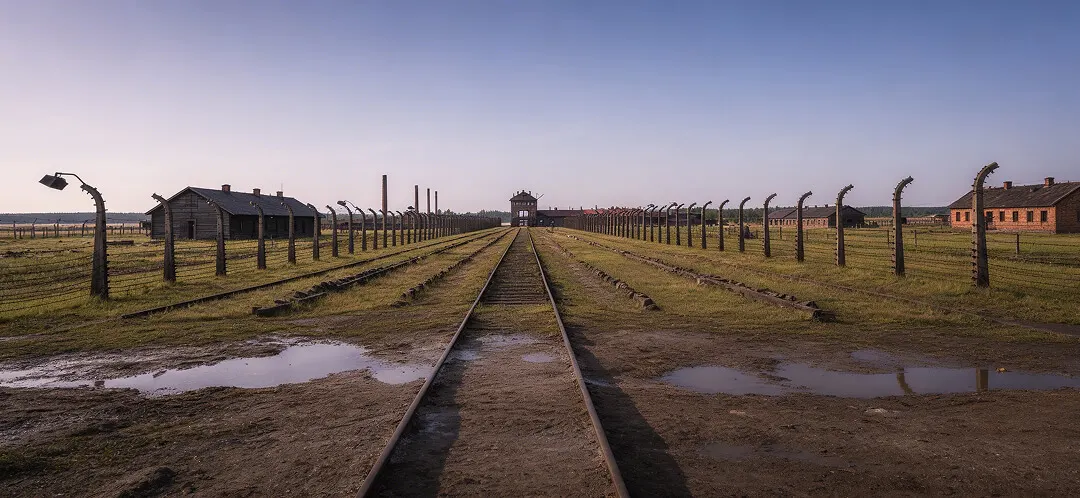
Auschwitz-Birkenau Memorial, Poland
- Where it is: Oświęcim, about 1.5 hours west of Kraków.
- What happened: Nazi Germany ran Auschwitz-Birkenau as a concentration and extermination camp complex during World War II. The camp became a central symbol of the Holocaust and the scale of state-led genocide.
Expect a quiet visit with strict conduct standards. - How tourists can visit today: Reserve an entry card online via the official portal, then arrive by train, bus, or taxi from Kraków.
- Restrictions: Timed entry rules apply, and staff limit access to certain areas.
- Best time to go: Late fall or early spring for lighter crowds.
- Budget tip: Fly into Kraków (KRK), stay in the city, then take a day trip to Oświęcim rather than switching hotels.
Next in this series: How to Visit the Danakil Depression
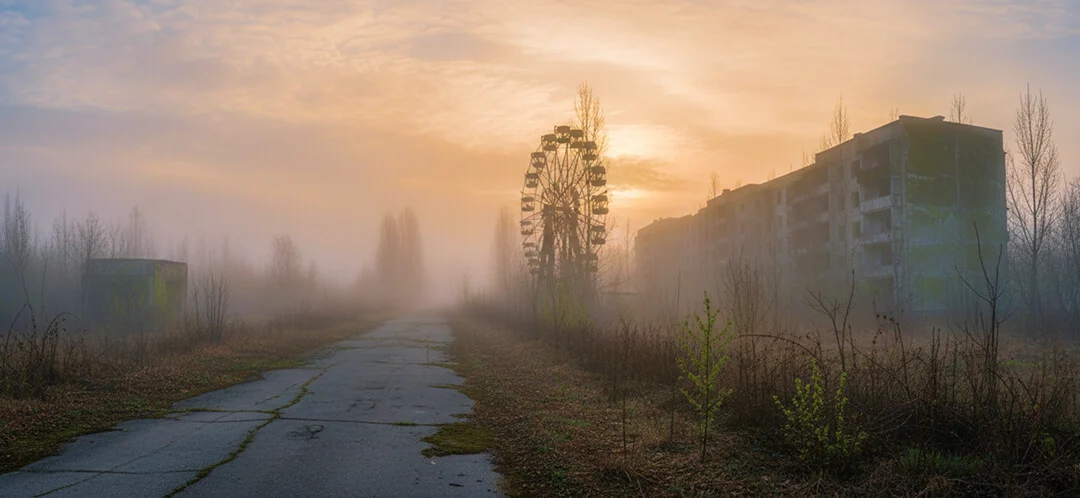
Chernobyl Exclusion Zone, Ukraine
- Where it is: Pripyat, about 62 miles (100 km) north of Kyiv.
- What happened: On April 26, 1986, Reactor 4 at the Chernobyl Nuclear Power Plant exploded and spread radioactive material across a wide region. Authorities evacuated more than 100,000 residents and created an exclusion zone with controlled access.
Your visit here will be tightly regulated, with checkpoints, rules, and little room for wandering. However, due to the ongoing war in Ukraine, tourism to the Chernobyl Exclusion Zone is currently suspended, and access may remain restricted until conditions change. - How tourists can visit today: Tour operators run trips from Kyiv when authorities allow access. Check official updates from the Ukrainian exclusion zone agency before you book any flights.
- Restrictions: There are rules you must follow on clothing, conduct, and contact with objects inside the zone.
- Best time to go: Late spring or early fall for milder temperatures.
- Budget tip: Book a flight into a major European hub and travel to Kyiv from there.
Next in this series: Mendenhall Ice Caves: Alaska’s Surreal Frozen Wonder
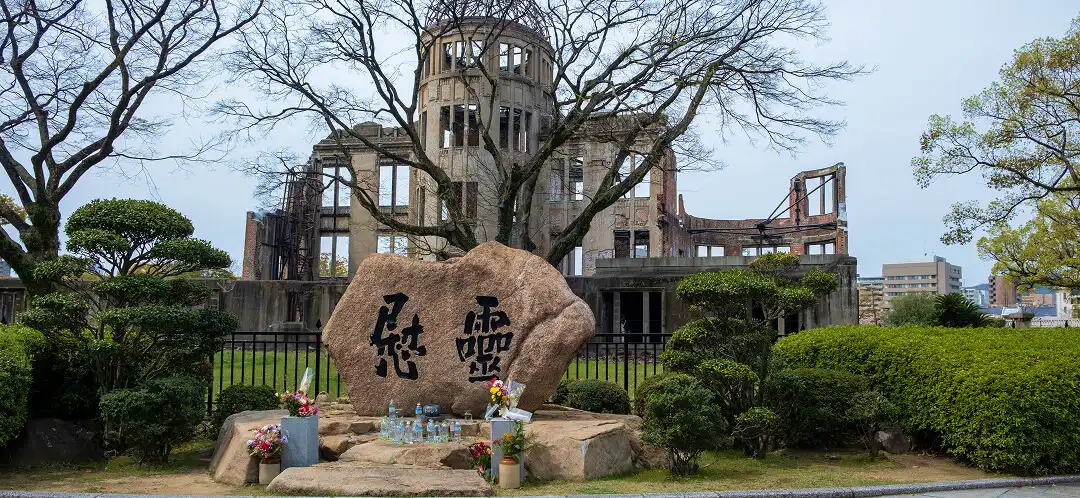
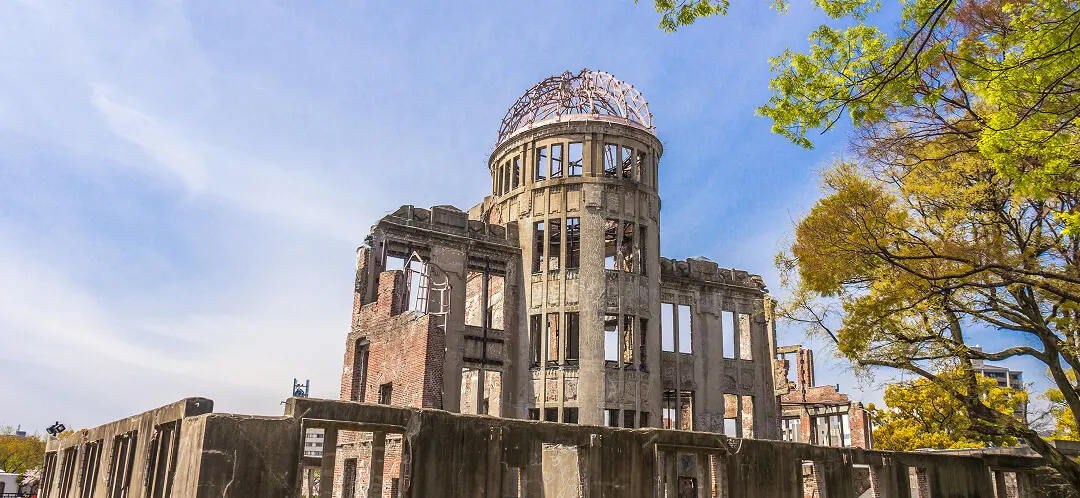
Hiroshima Peace Memorial, Japan
- Where it is: Central Hiroshima, near Peace Memorial Park.
- What happened: On August 6, 1945, an atomic bomb destroyed much of Hiroshima and caused mass casualties, both immediate and later due to radiation. The city rebuilt and turned key locations into a public memorial and museum that frames the long-term human impact of nuclear warfare.
Expect a calm, museum-led experience. - How tourists can visit today: You can enter the memorial after paying a ¥200 ($1.30) fee.
- Restrictions: Follow museum rules on photography and behavior.
- Best time to go: March to May, or October to November.
- Budget tip: Fly to Kansai (KIX) for more flight options, then take the rail to Hiroshima to avoid a separate domestic flight.
Next in this series: Red Crab Migration on a Budget: How to Experience “It’s Raining Crabs”
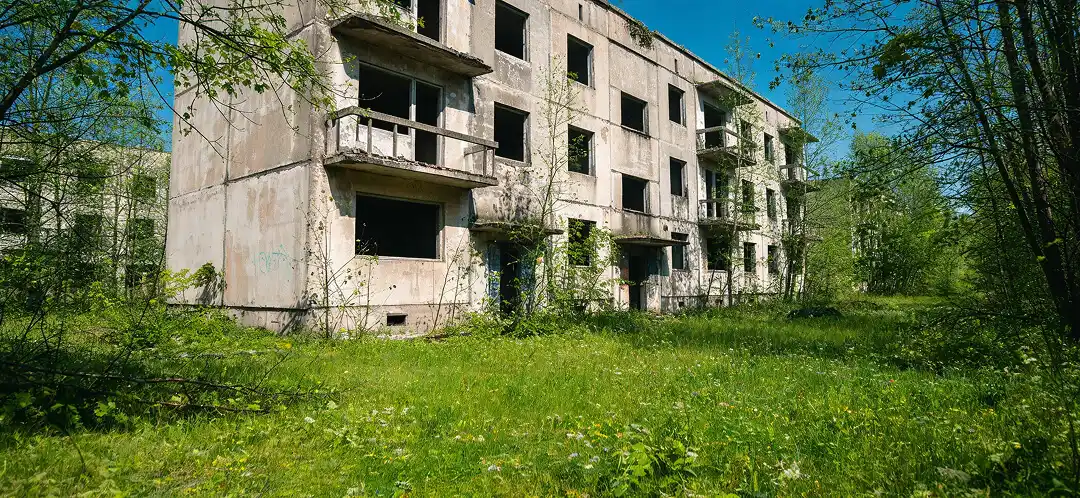
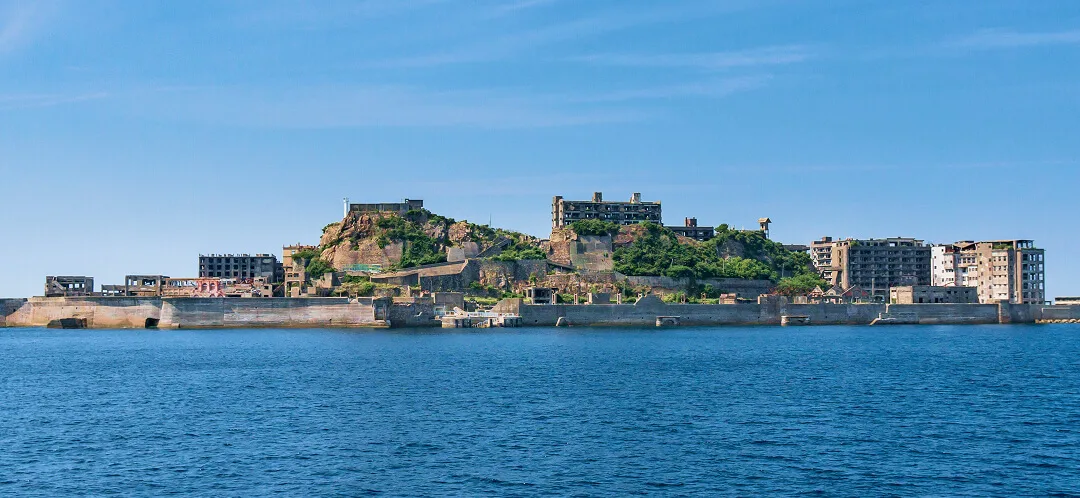
Hashima Island, Gunkanjima, Japan
- Where it is: Near Nagasaki, reachable by boat tour.
- What happened: Mitsubishi operated Hashima as a coal mining island and dense worker settlement until 1974. Then, coal demand fell, and the island emptied fast. The abandoned concrete blocks now show Japan’s industrial rise and the hard labor that powered it.
Expect a guided, time-limited walk with ocean wind and stark ruins. - How tourists can visit today: Join a licensed boat tour from Nagasaki.
- Restrictions: If the sea conditions are bad, boat operators may cancel the tours.
- Best time to go: April to June, or September to October for steadier seas.
- Budget tip: Pair this with Hiroshima in one Japan trip so you spread your long-haul flight costs across two major stops.
Next in this series: Why Lofoten Islands Should Be in Your US–to–Norway Bucket List
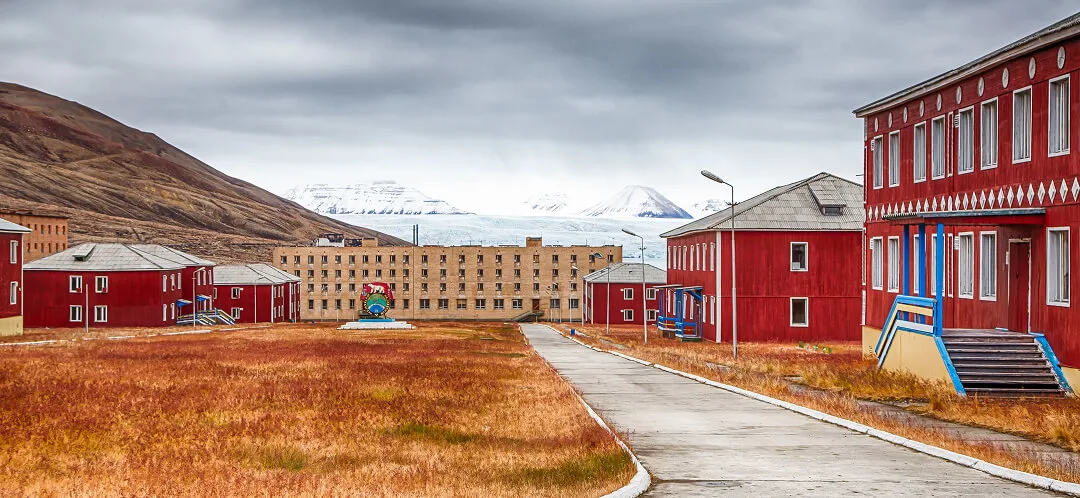
Pyramiden, Svalbard, Norway
- Where it is: Svalbard, with access via Longyearbyen.
- What happened: The Soviet Union ran Pyramiden as a mining settlement until 1998, when it shut down, and residents left. The Arctic climate preserved much of the town, which now functions as a “living museum” of Soviet-era daily life.
Here, you can expect remote quiet and a strong sense of isolation. - How tourists can visit today: Reach Longyearbyen by air, then join a guided tour to Pyramiden.
- Restrictions: Guides control access to buildings, and operators require groups of visitors to stay together for safety.
- Best time to go: Late May through August for boat access, or March for winter excursions.
- Budget tip: Book flights to Oslo early, then add the Svalbard segment, since last-minute tickets to Longyearbyen often spike in price.
Next in this series: Why Ovago is a Reliable and Safe Platform to Book a Flight
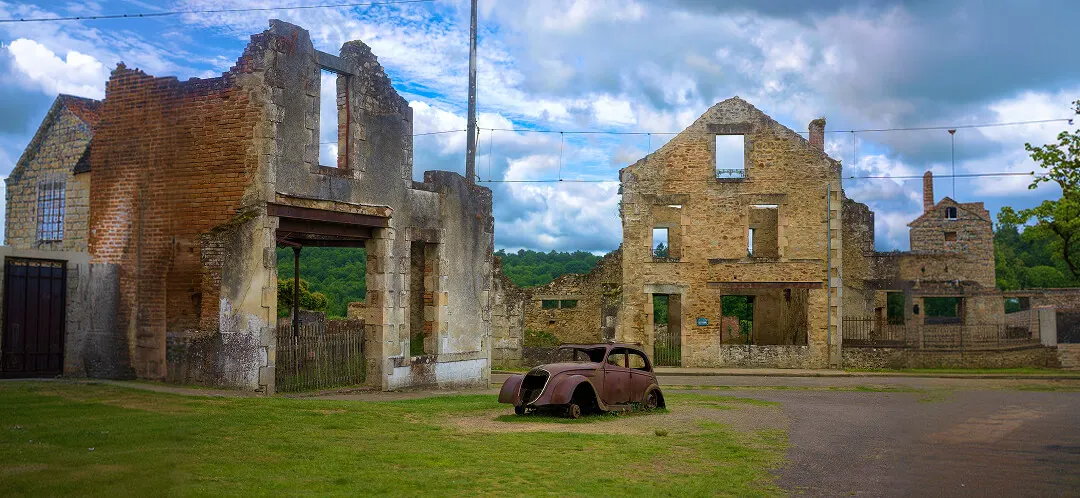
Oradour-sur-Glane, France
- Where it is: Near Limoges, in the Nouvelle-Aquitaine region.
- What happened: On June 10, 1944, Waffen-SS troops killed civilians in Oradour-sur-Glane and destroyed the village. France preserved the ruins as a memorial instead of rebuilding the original site.
Expect a quiet walk through streets frozen in time, and a strong memorial tone. - How tourists can visit today: Start at the Centre de la Mémoire for historical context, then walk into the preserved village. There is no entrance fee.
- Restrictions: Keep to the allowed paths.
- Best time to go: April to June, or September.
- Budget tip: Fly into Paris (CDG), then take the rail to Limoges.
Next in this series: Cat Island Travel Guide: Visiting Japan’s Feline-Filled Tashirojima on a Budget
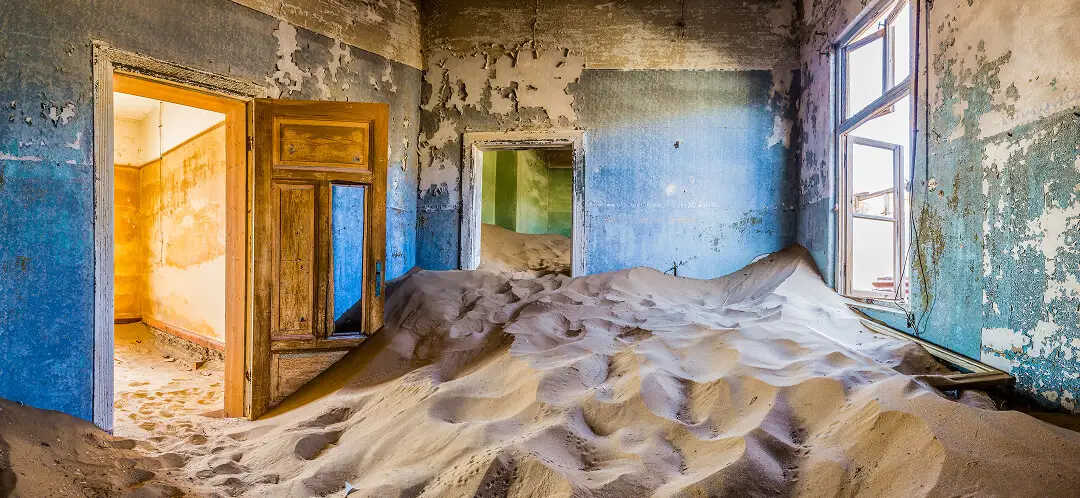
Kolmanskop, Namibia
- Where it is: Near Lüderitz, southern Namibia.
- What happened: German settlers built Kolmanskop as a diamond mining town in the early 1900s, then abandoned it once diamond activity shifted away. The desert gradually reclaimed the buildings, which now show the boom-and-bust reality of extraction economies.
The desert setting feels bright and surreal, with sand inside the buildings. - How tourists can visit today: You can enter the town by purchasing a permit that costs approximately $10.
- Restrictions: You can’t visit Kolmanskop at night, go beyond the established boundaries, or enter the town by yourself without a guide.
- Best time to go: May to September for cooler, drier days.
- Budget tip: Fly to Windhoek (WDH) and plan a longer Namibia loop so the long-haul flight cost supports more than one experience.
Next in this series: Places to See the Milky Way: 8 Awe‑Inspiring Stargazing Destinations
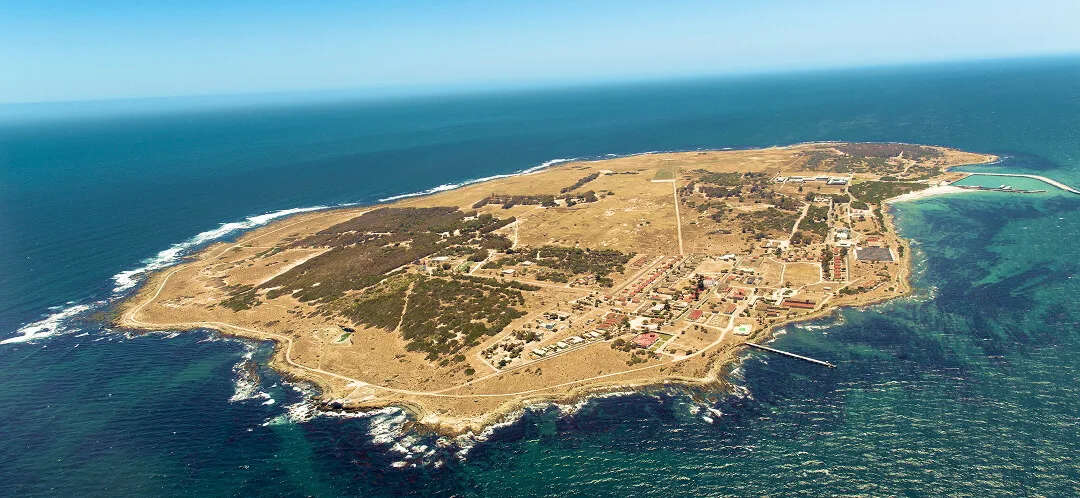
Robben Island, South Africa
- Where it is: Off Cape Town, with ferry access from the V&A Waterfront.
- What happened: Robben Island served as a prison for political dissidents during apartheid, with Nelson Mandela among its most famous prisoners. The site now functions as a museum that documents the apartheid system and the resistance it produced.
Expect a structured tour with a serious, educational tone. - How tourists can visit today: Ferries depart from the Nelson Mandela Gateway at the V&A Waterfront, and the standard tour lasts about 3.5 hours.
- Restrictions: Bad weather may disrupt ferry schedules, so reserve your trip early and keep a buffer day.
- Best time to go: November to March for warmer conditions and calmer seas.
- Budget tip: Stay in central Cape Town, then plan a half-day trip to Robben Island to avoid higher waterfront hotel rates.
Next in this series: How to Visit China’s Avatar Mountains
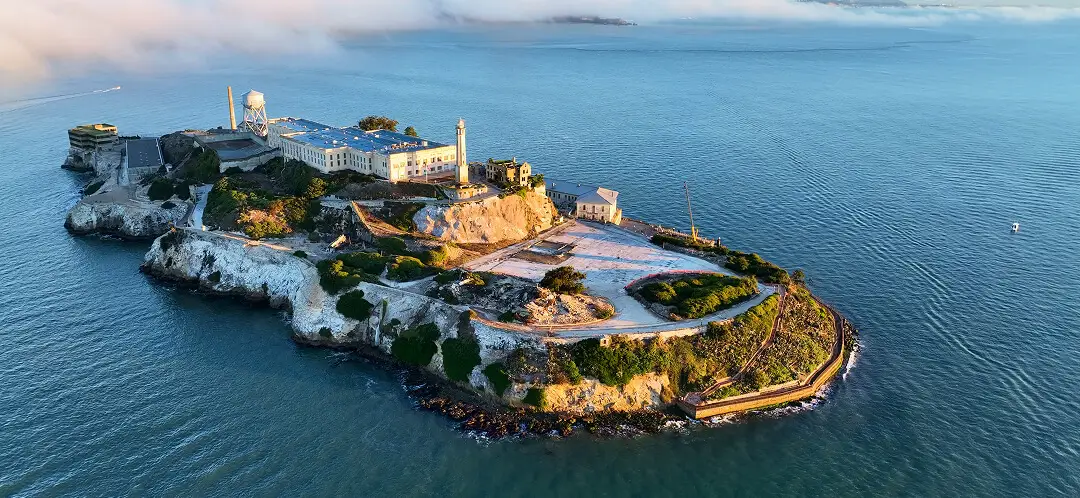
Alcatraz Island, United States
- Where it is: San Francisco Bay.
- What happened: Alcatraz operated as a federal prison from 1934 to 1963 and held high-profile inmates, with strict isolation as a core control method. After closure, the site became part of a national park unit and later served as a focal point for Native American activism in 1969.
The experience feels tightly paced and narrative-driven, with audio stories that pull you from room to room with purpose. - How tourists can visit today: Use the official ferry provider, Alcatraz City Cruises, which departs from Pier 33.
- Restrictions: Ferry tickets sell out in peak summer, so reserve them in advance.
- Best time to go: September to early November for smaller crowds.
- Budget tip: If you live near multiple airports, compare tickets to San Francisco from the ones closest to you. Then, select the route with the lowest ticket prices.
Next in this series: Swim with Whale Sharks in Isla Holbox
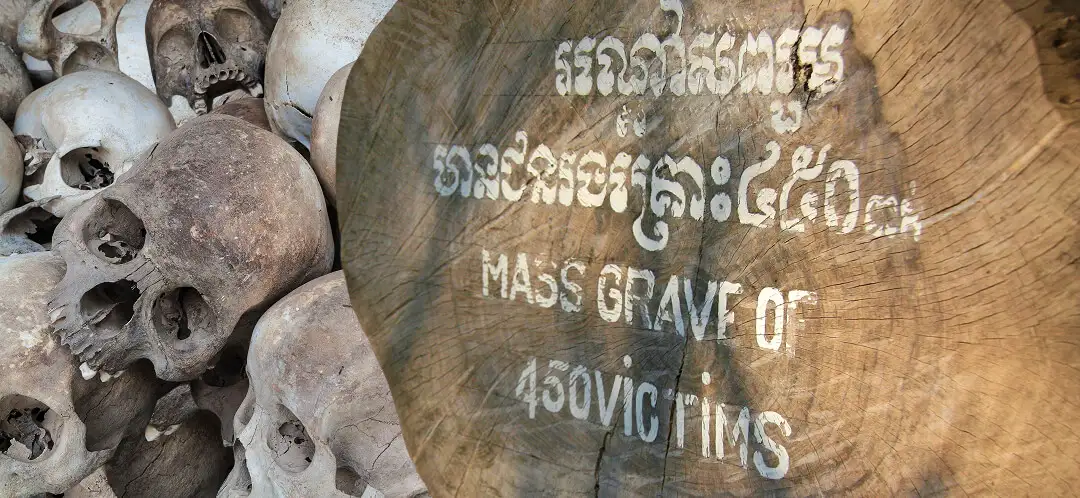
Killing Fields, Choeung Ek, Cambodia
- Where it is: South of Phnom Penh.
- What happened: Between 1975 and 1979, the Khmer Rouge carried out mass killings across Cambodia as part of a state campaign that caused about 1.7 million deaths. Choeung Ek became one of the execution sites, later turned into a memorial and education center.
The site keeps a quiet, slow pace, and the audio guide helps you move through the space with context rather than guesswork. - How tourists can visit today: Visit during daily open hours and use the on-site audio guide option, available in many languages.
- Restrictions: Follow posted conduct rules and dress standards.
- Best time to go: November to February for lower heat and humidity.
- Budget tip: Fly into Phnom Penh (PNH), stay in the city, then reserve a half-day block for Choeung Ek to avoid extra hotel moves.
Discover More Unique Destinations
Book exclusive deals and enjoy 24/7 support from Ovago.
Next in this series: Journey Through History: Explore Civil Rights in 3 Iconic US Destinations during Black History Month
Is Dark Tourism ethical?
Ethical questions around dark tourism usually focus on two issues: how visitors behave and how tourism affects the site and the surrounding community.
Tourism around tragedy sites can drift into trivialization, especially when vendors sell souvenirs nearby or when historical suffering is presented in ways that feel closer to entertainment. In living communities, heavy tourism can also create pressure by straining infrastructure, raising living costs, or shifting the area’s identity toward tourism alone.
At the same time, many memorial institutions rely on ticket sales and donations to fund preservation, educational programs, archives, and local jobs.
Visitors can help preserve both the atmosphere and the integrity of these sites by following posted rules, dressing appropriately, avoiding playful photos, and keeping noise low in exhibition areas.
Next in this series: Cooking with a Sicilian Mamma
How to visit these sites on a budget
- Travel during the off-season. Prices for plane tickets and accommodations tend to be lower during periods of low tourism. These periods vary by region. Europe, for example, sees fewer tourists from late October through March, while Southeast Asia has fewer from May through October.
- Use group tours when they reduce costs. Some dark tourism sites require guided access, and others are simply easier to visit with a structured tour. A group tour can save you money when it bundles transport, admission tickets, and a guide into one price.
- Build your trip around city-based stays. City bases usually give you better value and simplify logistics. You avoid one-night hotel switches, reduce local transport costs, and keep your itinerary more flexible.
- Combine multiple sites in one trip. International round-trip flights from the U.S. might be expensive. To save on your trip, add additional sites to the same itinerary and reach them with regional flights, rail, or buses, instead of booking a separate long-haul trip later.
- Use flight comparison tools strategically. When searching for tickets, compare several variations of the same trip by checking nearby departure airports, shifting travel dates by a few days, or considering connecting flights instead of direct ones. You can do this on Ovago and explore different route options, compare deals, and get support if your itinerary becomes more complex.