

Picture this: you’re planning a getaway and your first instinct is to check flights. You’re not alone. Statistics show that 91% of UK leisure travelers heading abroad choose planes, and along the world’s coasts, 82% of people rely on cars, while just 2% travel by boat. In other words, most of us rarely even consider the water.
Yet on certain routes, boats quietly beat planes. They’re often cheaper, more flexible, and in some cases, even quicker once you factor in airport transfers and waiting time. With options ranging from local ferries to yacht charter services, sailing can be both practical and memorable. In this article, we’ll uncover where traveling by sea makes more sense than flying and share simple tips to help you decide when it’s worth swapping the skies for the water.
Disclaimer: All fares in this article reflect real prices as of August 25, 2025. Prices vary by season and may change over time—they’re shared here only to give a general idea of the range.
Read in this article:

Why Sea Travel is Worth Considering
Cost Savings on Shorter or Regional Routes
Flights aren’t always the bargain they appear—especially on short routes where airports are far from the city and baggage fees pile up. Take Athens to Santorini: a budget flight may look quick (about 45 minutes, from ~€99), but once you add transfers and extras, the ferry often works out cheaper (around 6 hours, from ~€46) and lets you bring luggage without hassle.
The same is true in the Caribbean. From St. Martin to Anguilla, a 20-minute ferry (from ~€25) easily beats pricey prop-plane tickets (from ~€110) that shave off only ten minutes. In these cases, the sea route isn’t just scenic—it’s the smarter way to save.
Better Value Travel Where Flights Fall Short
Not everywhere is on the flight map. Smaller islands and coastal gems often lack airports altogether, making boats the only way in. Think of Greece’s lesser-known Cyclades or Norway’s fjord villages. A quick ferry or a boat trip can get you there directly, while flying would mean awkward detours or not being able to reach the place at all.
For example, flying from Cebu to Dumaguete usually requires a stop in Manila, costs from about €140, and takes 5–6 hours. In contrast, the ferry costs from just €17 and takes roughly the same 6 hours.
Flexibility (Custom Yacht Charters, Ferries, Group Travel)
Sea travel also bends to your needs in ways flights can’t. With a boat charter in Thailand or Greece, you can set your own schedule, linger on an island you love, or skip crowded spots altogether.
Even ferries add flexibility—routes like Helsinki to Tallinn run several times a day, letting you choose your timing and travel as a group without juggling multiple tickets.
Added Value: Scenic Journeys and Slow Travel Experiences
Sometimes the sea journey is the reward. Norway fjords or Alaska Inside Passage – flights can’t deliver the same scenic value. An overnight ferry from Copenhagen to Oslo doubles as a floating hotel with sunset views of the North Sea. The ride from Seattle to Victoria delivers coastal scenery no plane window can match. These trips invite you to slow down, soak in the landscape, and treat the transfer as part of the adventure—not just a way to get from A to B.
Yacht and boat transfers take this even further. With a private or shared charter, you can set the pace, stop for swims or hidden coves along the way, and enjoy the feeling of traveling on your own terms. Think island-hopping in Greece or exploring Thailand’s Andaman coast—where the boat isn’t just transport, it’s a front-row seat to turquoise waters, dramatic cliffs, and unforgettable sunsets.

Types of Boats That Can Replace Flights
Yacht Charters: How to Charter a Yacht Easy
Yacht charters open up a world of flexibility you’ll never get with flights. Whether you’re traveling as a couple, with friends, or in a small group, you set the pace—stop at quiet coves, linger on an island, or even sleep onboard. And the good news? It’s easier than you think—platforms like Getmyboat and Boatsetter make it simple to find the right yacht and crew for your budget and route.
How Much to Charter a Yacht for a Week: Real Costs Explained
Luxury yachts can easily exceed €30,000 per week. But there are far more budget-friendly options. Sailboats typically range from €1,200 to €7,000 per week. In premium sailing hubs like the British Virgin Islands, expect daily rates of €1,500–€3,200+, with prices climbing higher in the peak winter season.
For more affordable charters, look to the Mediterranean—destinations such as Croatia, Greece, and Turkey. Here, weekly bareboat sailboat charters often start around €1,200–€4,000, making them a realistic choice for budget-savvy groups. Also note that many boat listings show per-day rates instead of weekly packages. A yacht priced at €2,500/day may seem expensive, but discounts usually apply for longer bookings.
Ferry Charters and Shared Ferries
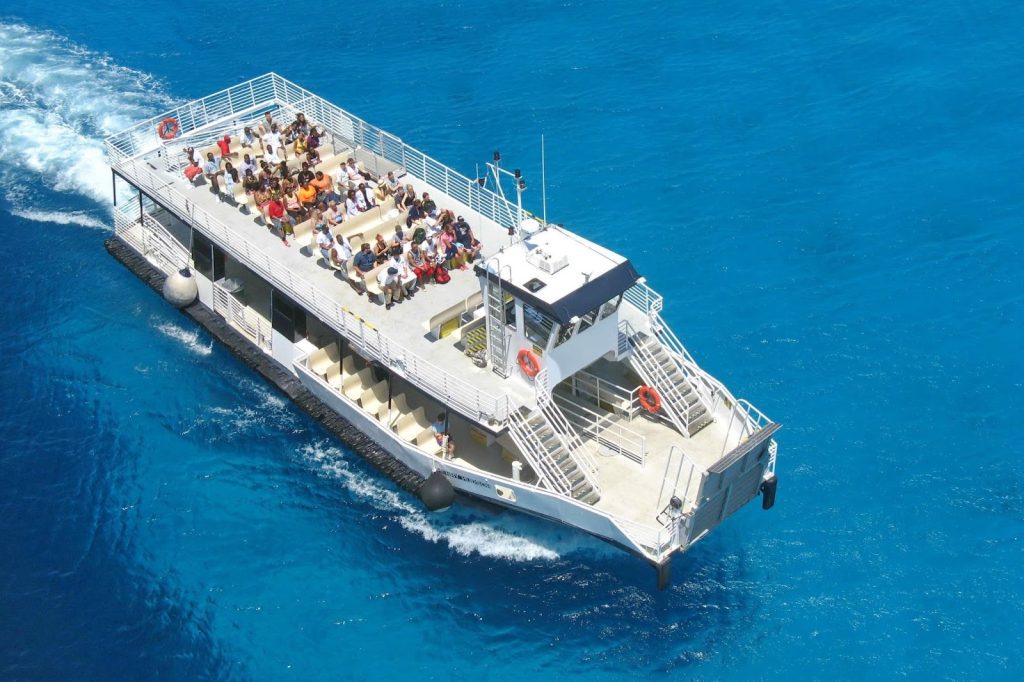
For budget-savvy travelers, ferries are often the smartest alternative to flying. They’re frequent, affordable, and much kinder to the environment than planes. Routes like Athens to Santorini, Seattle to Victoria, or St. Martin to Anguilla show how ferries can get you there for less—sometimes just as fast once you skip the airport hassle.
Shared ferries are ideal if you’re traveling solo or light, costing around €5–160 depending on distance. Private ferry charters (from €200+/hour) can be a cost-effective choice for groups.
Regional Boats
In many destinations, the only way to reach hidden gems is by hopping on a local boat. Think Cebu to Bohol in the Philippines, or transfers between small Caribbean islands where airports don’t exist. These boats may be simple, but they’re direct, inexpensive, and get you to places flights never will. They’re also a great way to experience travel the way locals do—close to the water and at an easy pace.
Regional boats usually fall between €4 and €40 per trip, making them one of the most budget-savvy ways to reach smaller islands or coastal villages.
Hydrofoils (Fast and Convenient for Island-Hopping)
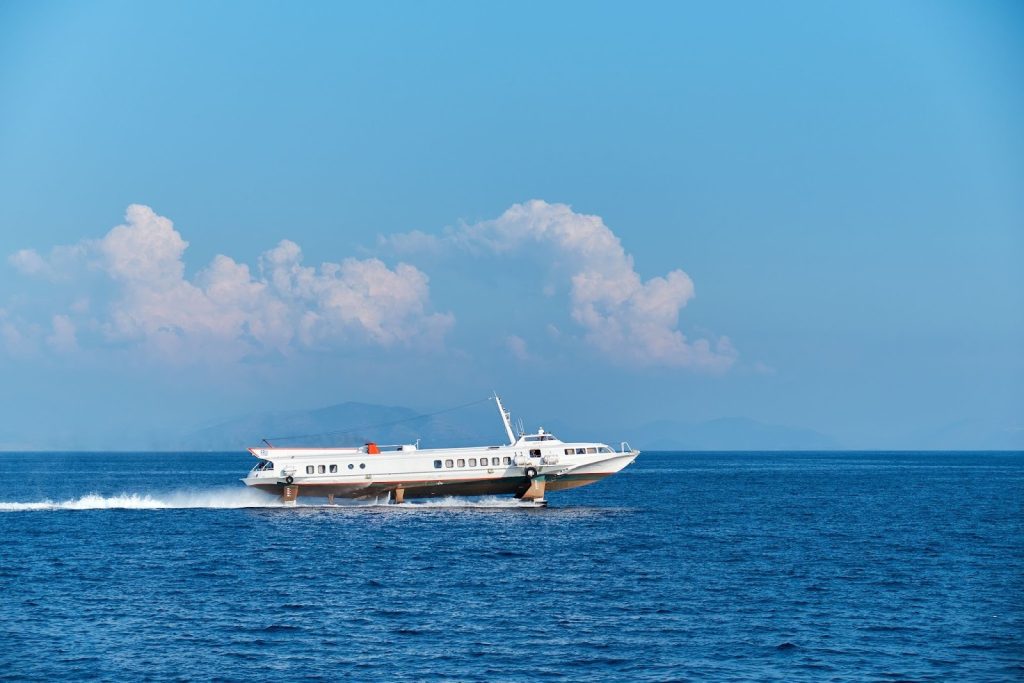
These high-speed passenger boats look and feel a bit like airplanes on water, getting you between islands in record time. In Italy, routes like Naples to Capri or Sicily to Malta save hours compared to ferries and cost far less than flights. In Greece, hydrofoils connect Athens to nearby islands like Hydra in just over an hour. They’re efficient, affordable, and ideal for squeezing more stops into your island-hopping itinerary.
Hydrofoils are the middle ground between ferries and flights—quicker than a ferry, cheaper than a plane. Fares usually run €15–€100, with the price gap varying by route and the extras offered on board.
Read also: Simplify Your Travel Visa Application: A Guide for Tourists, with Special Focus on US Citizens
Routes Where Sailing Often Beats Flying
Use this list as a guide to compare sailing and flight fares—and spot where you might save on your next trip.
Europe:
- Greece: Athens → Santorini by ferry vs. flight (cost vs. time).
- Italy: Naples → Capri, Amalfi Coast island hopping.
Asia:
- Thailand: Phuket → Phi Phi or Krabi by boat.
- Philippines: Cebu → Bohol or Dumaguete by ferry.
North America/Caribbean:
- Miami → Bahamas by ferry or yacht.
- Caribbean islands (St. Martin → Anguilla, Guadeloupe → Dominica).
International Routes Where Ferries Beat Flights
- Singapore ↔ Indonesia (Batam or Bintan; ferry is faster, cheaper, and simpler)
- Hong Kong ↔ Macau (airports are on the outskirts, flights are pricier)
- Spain (Algeciras / Tarifa) ↔ Morocco (Tangier; boats are quicker and more scenic)
- Naples / Sicily ↔ Malta (boats provide more flexible options)
- Seattle (USA) ↔ Victoria (Canada; ferries are cheaper and more convenient)
- Denmark ↔ Norway (Copenhagen–Oslo): Overnight ferry doubles as a floating hotel.
- Helsinki ↔ Tallinn (Estonia): 2 hours by fast ferry vs. a short but expensive flight.
When Flying Still Wins
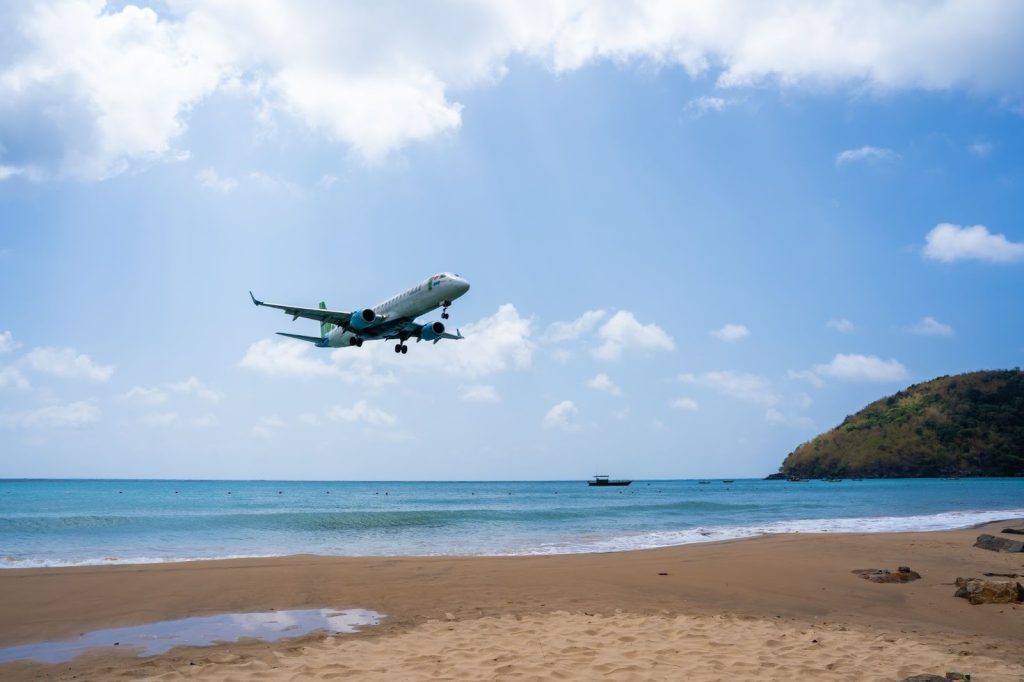
No one would argue that for long-haul international trips—like New York to Athens or Tokyo to Bangkok—flying is the most practical option. The same goes for certain regional routes where sea transfers aren’t efficient. Take Manila to Palawan: ferries run to Coron or Puerto Princesa, but the trip takes 13–28 hours. In contrast, nonstop flights cost from about €70 and take just 1.5 hours. Budget airlines make flying even more affordable, with carriers like EasyJet in Europe, AirAsia in Asia, and JetBlue in the Americas keeping fares competitive.
Reliable flight booking agencies like Ovago can further optimize complex routes using virtual interline technology. So while sailing has its perks, don’t write off air travel—it often remains the smartest, most efficient option.
Ovago offers a steady flow of flight deals.
Enjoy 24/7 human support, flexible payment options, and help with complex routes.
Tips for Choosing Between Flying and Sailing
- Measure time vs. value: A quick flight wins on speed, but a ferry or boat can be cheaper and more relaxed on shorter routes.
- Split costs smartly: For groups, a yacht or ferry charter can undercut multiple plane tickets.
- Think beyond schedules: Private boats offer freedom to linger or detour; flights lock you into fixed times.
- Factor in the skies and seas: Storms can ground planes, while rough seas delay ferries—check seasonal patterns.
- Choose the journey you want: Flights are about arrival; boats turn the trip itself into an experience.
- Mix and match: Fly into a hub, then island-hop by ferry or charter (Athens → Cyclades, Phuket → Andaman Sea, San Juan → Vieques).
- Look for savings: Ferry passes, early bookings, and shoulder-season flexibility can cut costs without affecting your travel experience.
We hope this guide helps you decide when to fly and when to sail, balancing practicality with the joy of the journey. And if sailing isn’t an option, you can always rely on Ovago’s wide range of affordable flights. Wishing you safe and enjoyable travels.