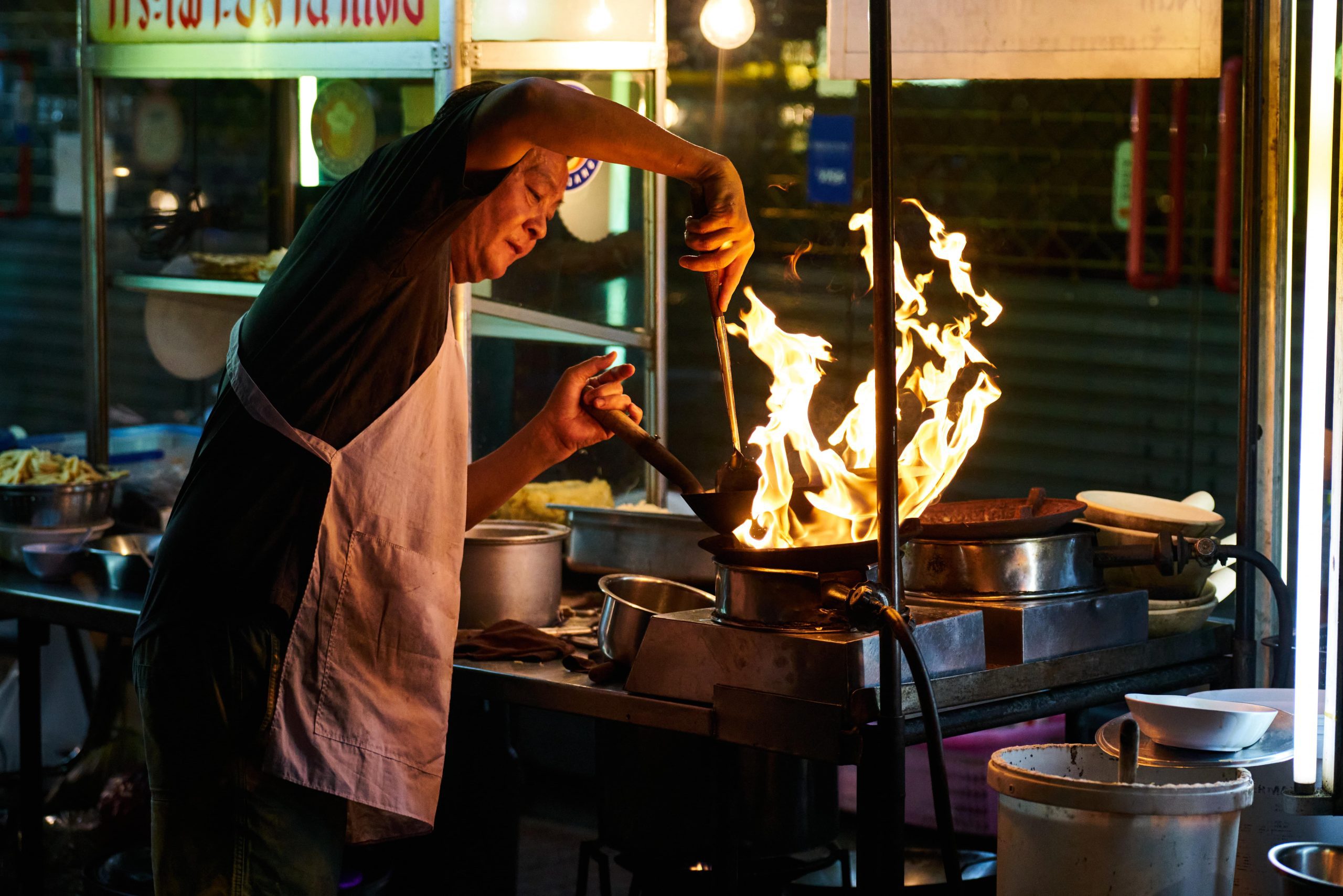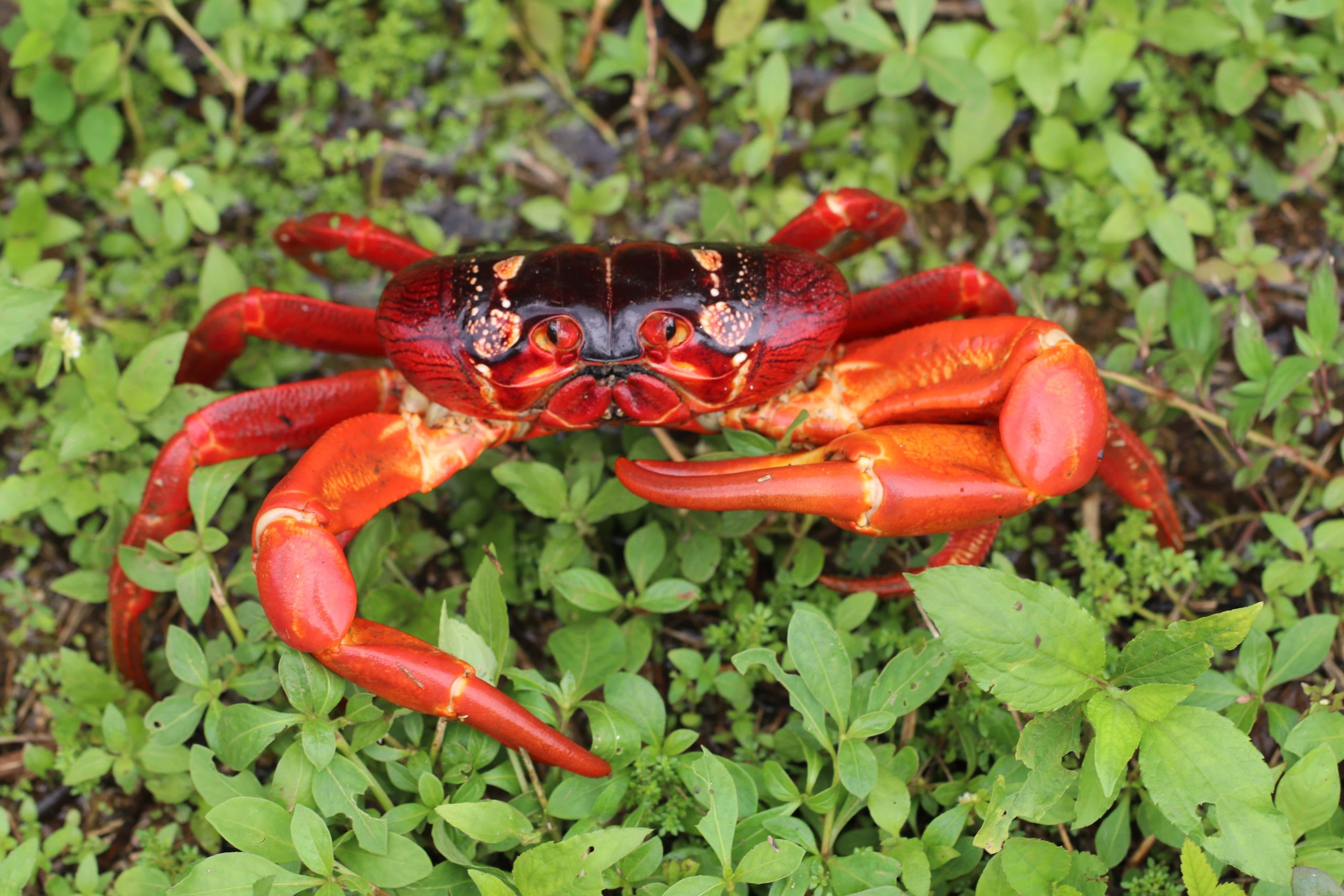

“Humidity’s rising, barometer’s getting low…”. If Sir David Attenborough had ever swapped his wildlife scripts for songwriting, we might have ended up with a hit called ‘It’s Raining Crabs.’ After all, he once described the red crab migration of Christmas Island as ‘one of the greatest natural wonders on the planet’. He even ranked filming it among his top ten TV moments.
Every year, millions of crimson crabs spill out of the rainforest and march across roads, beaches, and even through people’s yards on their epic journey to the sea. It looks surreal, almost like the island itself is alive.
A spectacle like this might sound like the stuff of once-in-a-lifetime luxury travel, but here’s the secret: with smart planning, you don’t need a royal budget to witness it. This guide will show you how to experience the legendary spectacle of Christmas Island crabs — all without breaking the bank. Get inspired by more unique places to visit.
Read in this post:
But First, the Common Question: Is Christmas Island a Real Place?
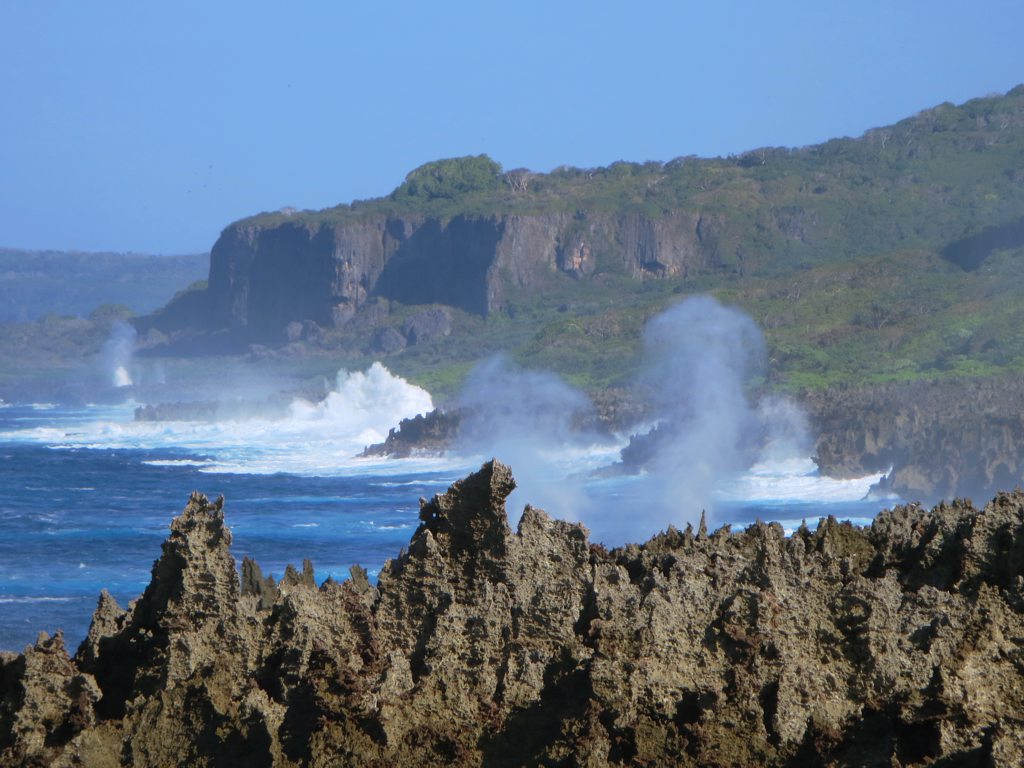
Oh yes, it’s very real! Christmas Island sits in the Indian Ocean, just 220 miles south of Java — in fact, it’s far closer to Asia than it is to mainland Australia. Europeans first spotted it on December 25, 1643, which is how it got its festive name.
Despite being tiny (only about 52 square miles), nearly two-thirds of the island is protected as National Park. That’s why biologists often call it “the Galápagos of the Indian Ocean” — a place where you’ll find extraordinary wildlife, from millions of crabs to rare birds and vibrant coral reefs.
What Makes This Crab Migration Special — and Why It’s Called “Crab Rain”
Every year, millions of Christmas Island crabs pour out of the rainforest and stream across roads, cliffs, and beaches in a synchronized march to the sea. This sight is so surreal that Sir David Attenborough described it as “a great scarlet curtain moving down the cliffs and rocks towards the sea.” The crabs’ goal is to release their eggs into the Indian Ocean, creating one of nature’s most breathtaking spectacles.
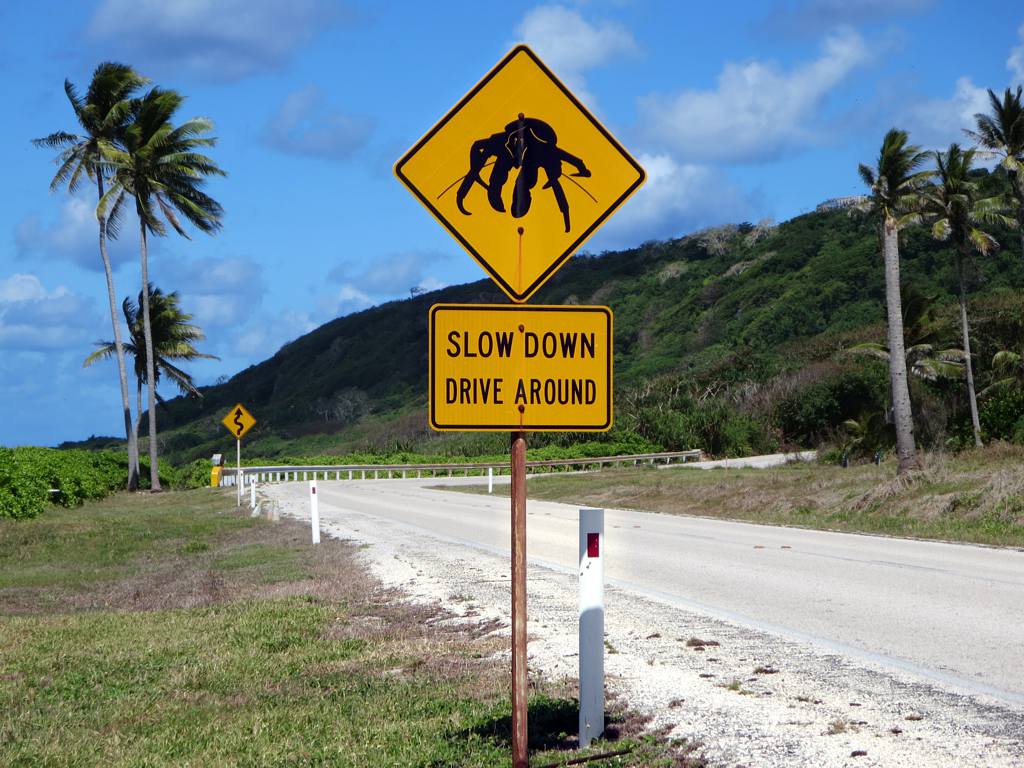
When migration peaks, the island slows to crab pace: roads are closed, traffic yields to “crab bridges” and tunnels, and locals head out with rakes to gently sweep the stragglers to safety. On the shore, female crabs gather to release tens of thousands of eggs each into the surf, timing it precisely with the last quarter of the moon so the tide carries them away. A few weeks later, the beaches shimmer and crawl again — this time with millions of tiny, pinhead-sized babies returning from the sea.
And it’s not just red crabs here. Blue crabs scuttle through the undergrowth. Giant robber crabs (also called coconut crabs) patrol the forests, splitting coconuts with ease and even climbing trees. More than just a spectacle, these crabs are the island’s gardeners, recycling leaves and debris to keep the rainforest floor alive and healthy.
Locals and travelers alike sometimes call it “Crab Rain” because the island seems suddenly flooded with a living tide of scarlet, as if it were raining crabs instead of water.

Seasonality and When to Go
The migration is set in motion by the first big rains, usually between October and December, when Christmas Island shifts from its dry season to the start of the wet. Days are hot and humid (28–30°C / 82–86°F), with tropical showers becoming a regular guest. And while wetter weather may sound less appealing, it’s precisely what makes the island come alive with millions of red crabs streaming toward the sea.
For budget travelers, this timing is a sweet spot: shoulder-season flights and accommodations often cost less than the holiday peak in late December. To catch the migration at its most dramatic, keep an eye on updates from the Christmas Island Tourism Board. It posts real-time alerts once the crabs begin their march. With a little planning and flexibility, you can time your trip to witness nature’s grand “crab rain” without stretching your budget.
Planning a trip to see the Christmas Island crabs can be tricky since the migration depends on the rains — but with Ovago’s flexible ticket service, you don’t have to gamble. Book your flights now at a good price, and if the migration dates shift, you can adjust your travel without paying hefty change fees. It’s the easiest way to keep your trip flexible and budget-friendly at the same time.
Read also: Swim with Whale Sharks in Isla Holbox
Best Flights to Christmas Island Red Crabs Migration from the US
Getting to Christmas Island (Australia) isn’t as simple as booking a nonstop. There are no direct flights from the US and every route involves a few connections. The easiest option is to fly into Perth (PER), Western Australia with major carriers like Qantas, United, American Airlines, or Delta. From there, flights to Christmas Island (XCH) run twice a week and take just under four hours, often pausing at the Cocos (Keeling) Islands — a handy chance to add a second destination to your trip.
Currently, Virgin Australia operates these flights on Tuesdays and Fridays. But from 3 November 2025, QantasLink takes over the route with departures on Mondays and Fridays.
What to Expect on Price
- US → Perth: Round-trip economy fares from the West Coast (LAX/SFO) usually start around $900–$1,200 if booked early. East Coast gateways like JFK run closer to $1,300–$1,600.
- Perth → Christmas Island: Economy round-trips typically fall between $500–$700.
Total trip cost: Expect about $1,400–$2,300 round-trip in economy, depending on the season and how far in advance you book. For the best value, aim for shoulder-season travel (October–early December), when prices dip below the Christmas holiday peak and the crabs are already on the move.
Reaching Christmas Island often means mixing airlines, and Ovago’s complex route help makes it easy. By combining flights from different carriers into one smart itinerary, you can save money and get more options without the hassle. For the latest flexible routes, reach out to our agents directly via website chat or phone — they’ll check all current options for you.
Check out our quick Q&A guide on how to book flights with us — fast and easy.
Enjoy 24/7 support, great deals, group travel options, and flexible payment plans.
Where to Stay for the Best Crab Views (Without Overspending)
Christmas Island may not have big cities or a long list of hotels, but that’s part of its charm. Most accommodation is clustered around Flying Fish Cove (The Settlement) — the island’s main hub. Staying here keeps you close to restaurants, the port, and many of the migration routes where red crabs spill across roads and down to the sea. It’s also where you’ll find the widest range of guesthouses and lodges, many of which include kitchens so you can save on meals.
For travelers seeking both convenience and good value, guesthouses and locally run lodges offer the best balance of price and comfort. If you’d like to be even closer to nature, smaller properties near Drumsite or Poon Saan can put you right next to the crab crossings, though options are more limited.
Top 5 Add-On Experiences on Christmas Island
- Christmas Island National Park – Hike rainforest trails and spot rare bird species.
- Snorkeling & Diving – Discover coral reefs, caves, and seasonal whale sharks (November through April).
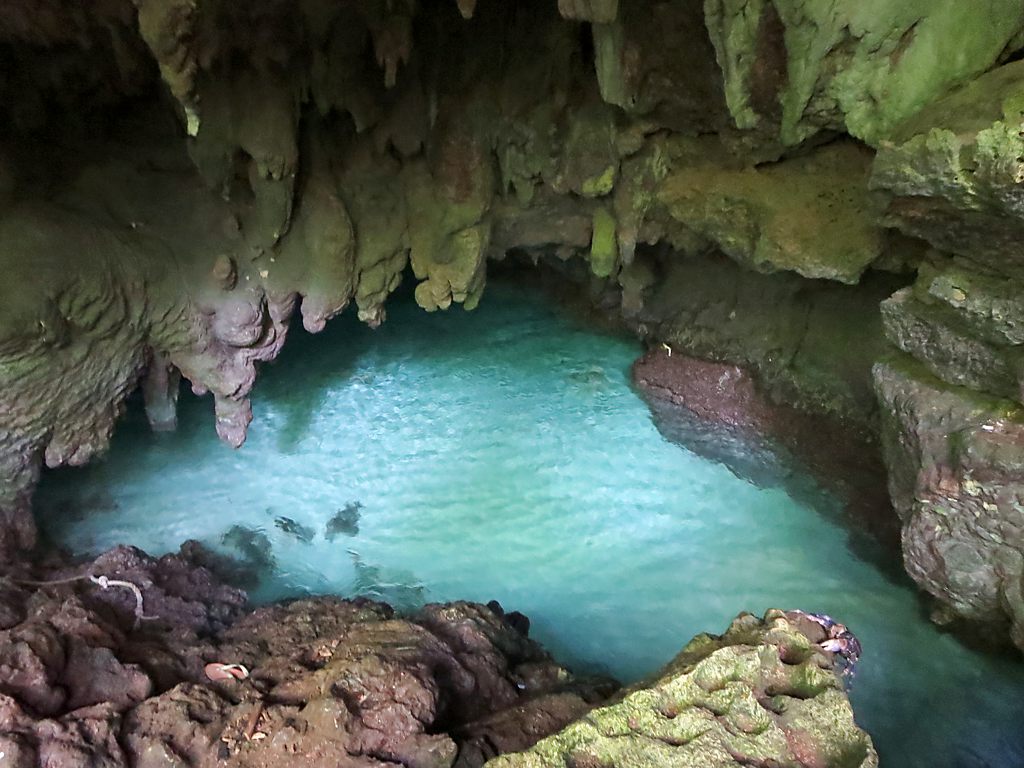
- The Grotto – Swim in a stunning turquoise cave pool hidden in the jungle.
- Flying Fish Cove – Relax on the island’s main beach and enjoy easy snorkeling right from shore.
- Cocos (Keeling) Islands – Take a short, affordable flight to these nearby atolls for white sands and crystal lagoons.
Final Tips to Make the Most of Your Trip
- Savor the Culture & Food – With around 1,800 residents, the island blends Chinese, Malay, and European traditions. Don’t miss local specialties, and during migration, look for “crab-safe” eateries that adjust menus to protect the wildlife.
- Pick the Right Viewing Time – For the most dramatic crab crossings, head out early in the morning or just after rain showers.
- Choose Smart Transport – Rent a scooter or bike instead of a car. It’s cheaper, eco-friendly, and makes it easier to navigate when roads close for crabs.
- Protect Yourself with Insurance – Medical facilities on the island are limited. A solid, budget-friendly travel insurance plan is essential peace of mind.