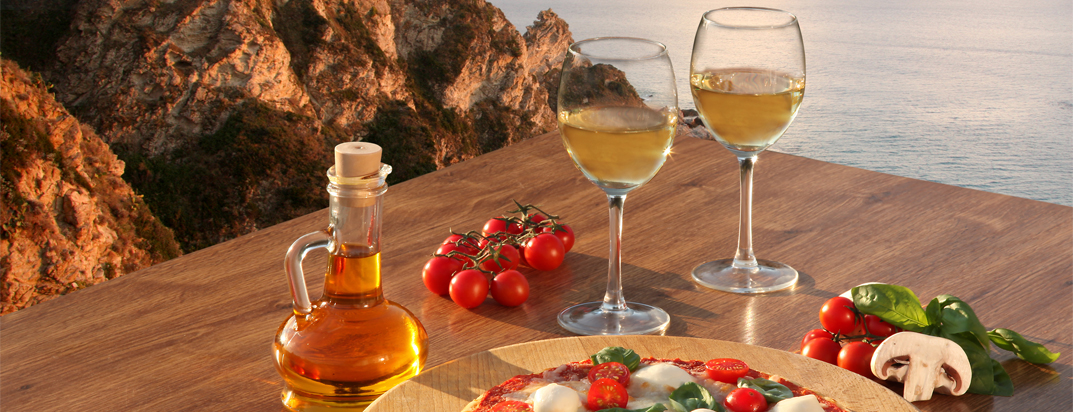

Culinary masterclasses with a Sicilian “mama” offer a unique opportunity to immerse yourself in the traditions of Sicilian cuisine within the warm and welcoming atmosphere of a family home. Participants not only learn how to prepare traditional dishes but also discover the stories behind each recipe, passed down through generations. In Palermo, for example, these classes take place in the city’s historic center, where “mamas” share the secrets of making panelle, arancini, and other local delicacies.
Let’s read more about this unique experience. And if you’re wondering how to get there, choose Ovago to book cheap flights worldwide!
Read in this article:
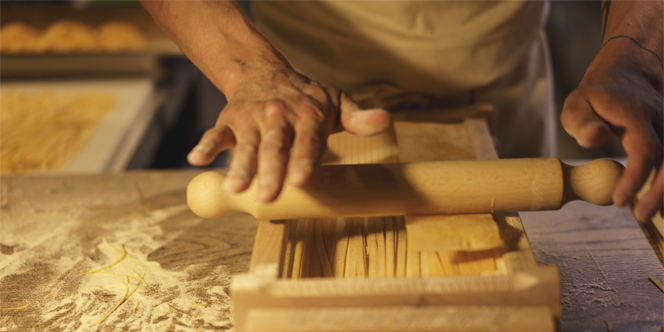
Traditional recipes and local ingredients
Sicilian cuisine is a blend of cultural influences, including Greek, Arabic, Norman, and Spanish traditions. It stands out for its bold flavors, abundant fresh ingredients, and the philosophy of cucina povera—a style of cooking that turns simple ingredients into culinary masterpieces. In these workshops, participants prepare dishes like pasta alla Norma, caponata, and cannoli using fresh, local ingredients such as eggplant, tomatoes, ricotta, and pistachios from the Bronte region.
How Is Sicilian cuisine different from traditional Italian cuisine?
The biggest difference lies in its history. Arab influences introduced saffron, citrus fruits, almonds, couscous, and pistachio-based sweets like cannoli. The Greeks brought olive oil, cheese, and grapes, while the Normans and Spaniards added meat dishes and tomatoes.
Sicilian cuisine also relies on regional ingredients:
- Seafood: Sardines, swordfish, and tuna are staples (e.g., pasta with sardines and wild fennel).
- Vegetables & Fruits: Eggplants, artichokes, tomatoes, lemons, and oranges thrive year-round.
- Spices & Nuts: Saffron, cinnamon, pine nuts, and pistachios often appear in savory dishes.
Unlike northern Italy, where tiramisu and panna cotta are popular, Sicily is famous for cannoli (ricotta-filled pastries), granita (fruit-flavored ice), and cassata (marzipan-covered sponge cake). Street food is a way of life—from arancini (stuffed rice balls) to panelle (fried chickpea flatbread).
Top 5 traditional Sicilian dishes
- Arancini – Fried rice balls filled with meat ragù, cheese, or mushrooms. Their name means “little oranges” due to their shape and color.
- Pasta alla Norma – Pasta with tomato sauce, fried eggplant, salted ricotta, and basil, named after Bellini’s opera Norma.
- Caponata – A sweet-and-sour eggplant stew with celery, olives, and capers, best enjoyed with bread and a glass of Nero d’Avola wine.
- Sarde a Beccafico – Sardines stuffed with pine nuts, raisins, onions, and herbs—a classic example of Arab influence.
- Granita with Brioche – A refreshing almond, lemon, or coffee-flavored ice dessert, traditionally paired with a soft sweet roll for breakfast.
Cultural exchange and hospitality
Sicilian “mamas” are renowned for their warm hospitality. They don’t just teach cooking—they share local traditions, stories, and a deep passion for food. Their workshops offer an immersive cultural experience where cooking becomes a language of love and intergenerational connection. In Taormina, for example, participants can learn to prepare swordfish or cannoli and then sit down to enjoy the meal together with wine and limoncello.

How to fly from the US to Italy on a budget
Ovago is your trusted service for finding truly affordable airfares. For the best deals, consider flying into major European hubs like Rome, Milan, or Barcelona, then booking a low-cost flight (Ryanair, EasyJet) to Palermo or Catania for as little as €20-50.
Don’t miss out on promotions! Sign up for our newsletter to get exclusive deals. Airlines like ITA Airways and Air France frequently offer round-trip fares from New York, Miami, or Los Angeles starting at $500 for a round-trip!
The most important rule of budget travel is to plan ahead. Prices tend to be lower in winter and early spring, and Sicily still enjoys plenty of sunshine even in January.
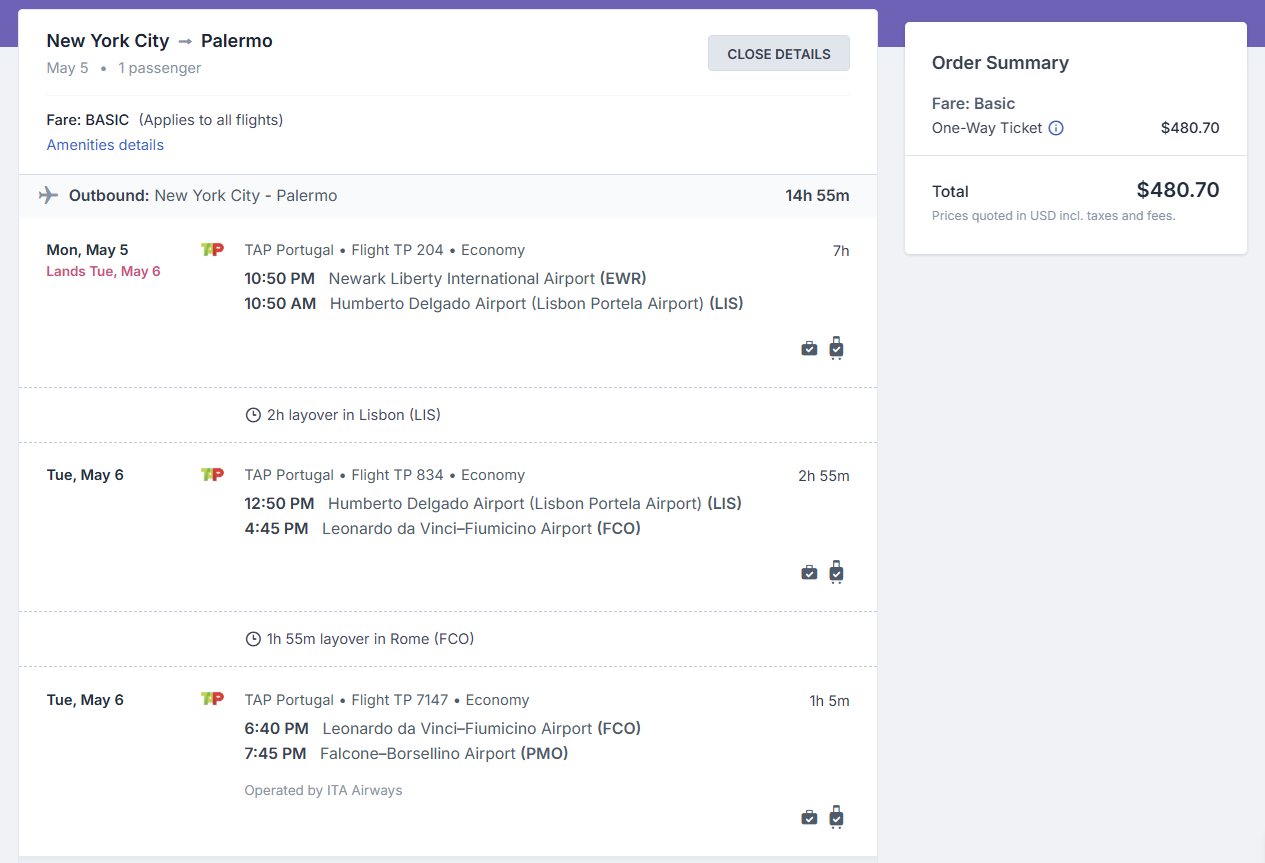
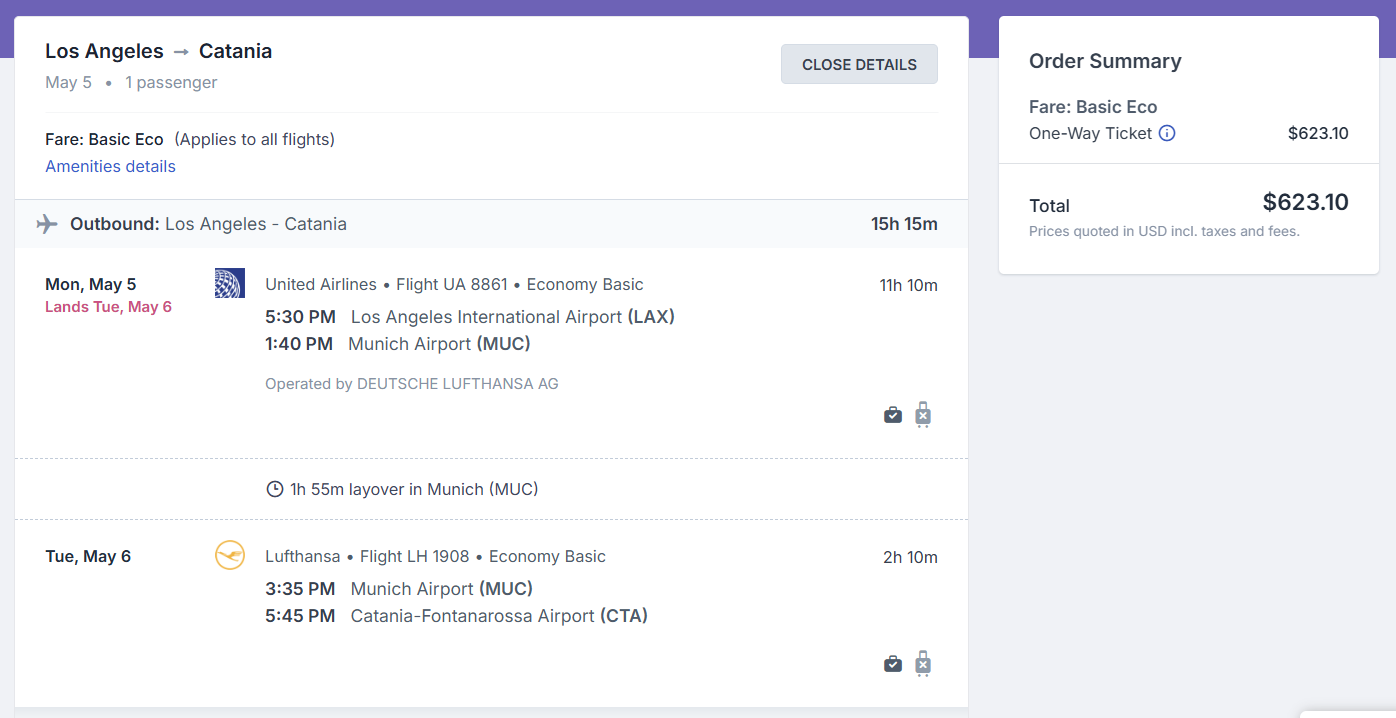
Sample Routes via Ovago:
Note: If you’re traveling from the US to Sicily and looking for budget airlines, here are a few options with examples of itineraries and approximate prices.
Sicily awaits!
Book your flight on Ovago today and you’ll soon be kneading pasta with a Sicilian “mamma” while taking in views of Mount Etna.
How to book a cooking class with a Sicilian “mamma”
- Booking – Most cooking classes can be booked online through platforms like Cookly or Veronika’s Adventure. For example, the “Sicilian Cooking Class: Street and More” in Palermo starts at $157.99 and includes a full menu with alcoholic beverages.
- Language – Many workshops are taught in English, making them accessible to international travelers.
What’s included in the cooking class
- A Warm Welcome – You’re greeted with a cup of espresso or a glass of local wine (e.g., Grillo). “Mamma” introduces the day’s menu, which changes with the seasons—eggplant and tomato dishes in summer, hearty soups and meat in winter.
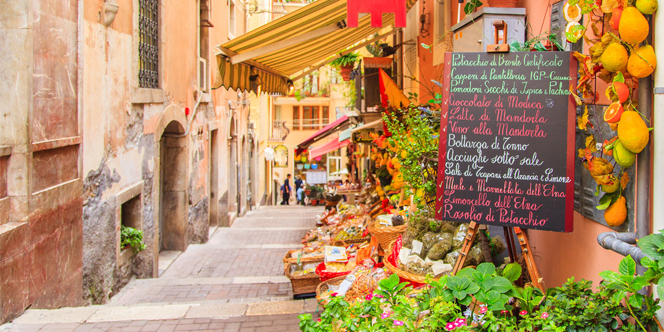
- Market Visit & Cooking – Some workshops start with a trip to a local market, where participants select fresh ingredients before heading to the kitchen to prepare traditional dishes like pasta, swordfish, or desserts.
- Stories Behind the Cooking – As you cook, you’ll hear family stories: how their grandmother perfected this sauce 50 years ago or how caponata made from preserved vegetables helped them through wartime hardships. They might even share a Sicilian saying: “He who doesn’t risk the fryer doesn’t eat crispy cannoli!”
- Tasting – At the end of the class, guests enjoy their creations alongside the “mama” and fellow participants, paired with local wine.
- A Parting Gift – Before you leave, you might receive a handwritten recipe or a bag of local spices, along with a heartfelt message: “Cook with love, and even the simplest pasta will become a masterpiece!”
How long does a cooking class last & how much does it cost?
- Duration – Most workshops last 3 to 5 hours. For example, in Taormina, a 4-hour class includes a wine tasting.
- Cost – Prices range from $20 for an online class to $200 for a full culinary experience with tasting.
What do they teach?
- Techniques – How to hand-knead pasta dough, shape arancini without cracks, and fry cannoli so they don’t burst.
- Flavor Combinations – Balancing sweet and savory (e.g., raisins in sarde a beccafico) and using fresh herbs like basil and oregano.
- The Philosophy of Cucina Povera – Making the most of what you have—turning leftover bread into breadcrumbs and overripe vegetables into sauces.
- Stories Through Food – The Arab influence behind ricotta-filled cannoli, how the Greeks introduced olive oil, and why pasta alla Norma honors Bellini’s opera.
10 Tips for the perfect cooking class with a Sicilian “mamma”
- Come Hungry—Physically and Emotionally: Skip the big breakfast—you’ll be feasting on everything you cook. Get ready to socialize—this isn’t a formal class, but a family gathering filled with stories and laughter.
- Wear Comfortable Clothes… and Avoid White: Skip the fancy outfits—you’ll be kneading dough, cleaning fish, and frying in oil. Wear something you don’t mind getting messy. Choose comfortable shoes—kitchens are often small, and you’ll be standing for 2-3 hours.
- Ask Questions (Even If You Have to Use Gestures!): Get curious: “Why do you add raisins to the sauce?” or “How did your grandmother store olive oil?” No need to worry about the language barrier—Sicilians speak with their hands, facial expressions, and plenty of “Mmm!” sounds when tasting the sauce.
- Learn by Eye, Not by Measuring Cups: Forget about measuring scales—”Mammas” cook with handfuls, pinches, and “as much as the soul asks for.” Jot down key points—like how long to fry eggplant or how to test dough for elasticity.
- Get Involved—Even With the Dishes: Take the initiative! Want to roll the cannoli? Just ask: “Posso provare?” (“Can I try?”). Help set the table—it’s all part of the ritual of cooking together.
- Respect Local Traditions: Don’t judge “unusual” combos—sardines with raisins or pasta with sugar might surprise you, but give them a try. Compliment generously! After your first bite, exclaim “Squisito!” (“Delicious!”)—you’ll make “mamma” beam with pride.
- Communicate in Advance: Dietary restrictions? Let them know about allergies or if you’re vegetarian—Sicilians love adapting recipes (they might swap fish for seasonal veggies!). Bringing kids? Some “mammas” love teaching children to shape pasta—ask in advance if it’s a good fit.
- Don’t Rush Off After the Meal: Stay for a limoncello with your host—it’s a chance to hear personal stories, like how she met her husband or why she secretly hates eggplant (yes, it happens!). Always ask before taking photos—“Posso fare una foto?” (“Can I take a picture?”) is the polite way to go.
- Bring a Container—Just in Case: Leftovers aren’t taboo! If there’s extra food, “mamma” will insist you take some home. Refusing might offend her!
- Prepare for a Hug: Sicilian goodbyes are warm and heartfelt. Expect cheek kisses and a friendly “Torna presto!” (“Come back soon!”).
- Golden Rule:Relax! There’s no right or wrong—just a love for food and a desire to share warmth. By the end, you won’t just be a student—you’ll be part of the Sicilian family.
The Philosophy of Sicilian Cuisine
It’s not just about the food—it’s a way to preserve history and bring the family together around the table. As they say in Sicily: “Mangia e taci” (“Eat and be quiet”), because words only get in the way of savoring every bite! And hey, when you’re ready to turn this daydream into a boarding pass, Ovago’s got your back!