If the idea of an island ruled by cats warms your heart, then Cat Island travel is the purr-fect adventure for you. Cat Island – officially Tashirojima in Japan – is a small island where felines outnumber humans by a huge margin. This offbeat destination has become a paradise for cat lovers and curious travelers alike.
In this guide, we’ll cover all aspects of visiting Cat Island in Japan: where it is, how many cats live there, what to expect, and how to get there from the US affordably. We’ll also sprinkle in some tips for budget-friendly flights (like using Ovago’s multi-city booking to save money). Bring more fresh ideas to your bucket list with these unusual spots.
Read in this guide:

Where is Cat Island, Japan, and what’s the story?
Cat Island is the nickname for Tashirojima, a tiny island off the coast of Ishinomaki City in Miyagi Prefecture, Japan. It’s located in the Pacific Ocean near the Oshika Peninsula in northeastern Japan, about 2 hours northeast of the city of Sendai. In other words, if you’re looking at a map of Japan, Cat Island sits in the Tohoku region (northeast) – not too far from Sendai and a few hours north of Tokyo.
Tashirojima sits off the coast of Ishinomaki City in Miyagi Prefecture, about two hours northeast of Sendai in Japan’s Tōhoku region. The tiny island measures just 3.14 km², split between the villages of Oodomari and Nitoda, and it’s blissfully car-free. Dogs are banned, cats are celebrated, and the human population hovers around 50–80 souls — mostly older fishermen.
Locals once relied on silkworms, so they welcomed mousers. Over time, the feline helpers multiplied, and the community grew convinced that feeding cats brings good luck. Result? A fluffy takeover that re-branded the island as “Cat Heaven.”
How many cats are on Cat Island?
One of the first questions curious travelers ask is “How many cats are on Cat Island?” The short answer: hundreds of cats roam Tashirojima! The cats famously outnumber the human residents by a significant amount. Only around 80 people (mostly elderly) live on the island, but they share it with roughly 150 or more cats. Some estimates say the cat-to-human ratio is about 6:1, so imagine an island where for every human, you might find six kitties lounging around.
When to plan your Cat Island travel adventure
- Spring (Apr–May): Mild weather, cherry blossoms, frisky felines.
- Summer (Jun–Aug): Lush greenery; pack sunscreen and expect humid afternoons.
- Autumn (Sep–Oct): Crisp air, vivid foliage, prime hiking.
- Winter (Nov–Mar): Quiet and photogenic, but cold winds blow; Manga Island cabins close for the season.
Weekdays stay calmer than weekends, and ferries can cancel during typhoons. Always double-check the boat schedule the night before.
Things to do on Japan’s Cat Island (Tashirojima)
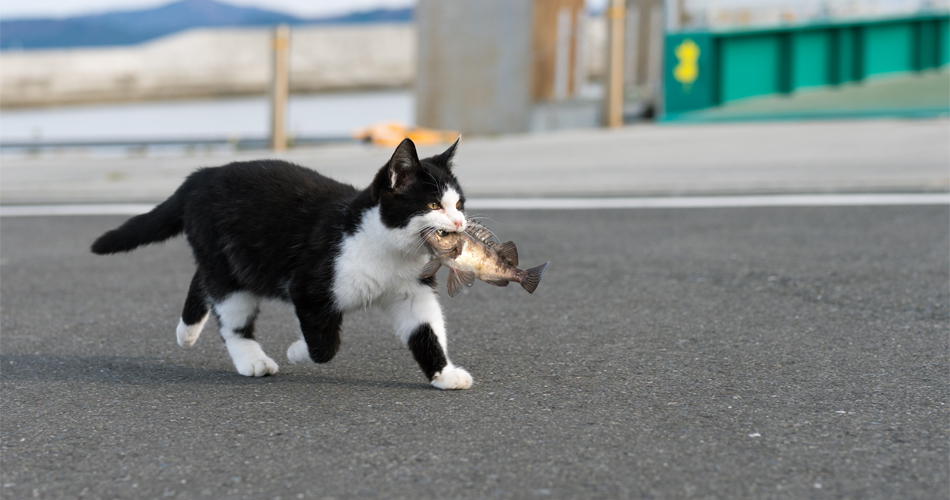
A local cat strolling by the harbor on Tashirojima (Cat Island). Don’t be surprised if you’re greeted by many such feline “tour guides” as you explore.
Visiting Cat Island in Japan is a bit like walking into a real-life cat village. The moment you step off the ferry at Nitoda Port (the main harbor), you’re likely to be greeted by several curious cats hanging around the docks or napping in the sun. They know newcomers often mean treats or attention, and they’re not shy about making friends. The island cats freely wander the streets, lounge on porches, and perch on fishing boats as if they own the place (truth be told, they kind of do!). You’ll see cats of all colors and personalities – many are the cute bobtail breeds common in Japan. It’s basically heaven for cat lovers, and a very unique travel experience for anyone up for an adventure.
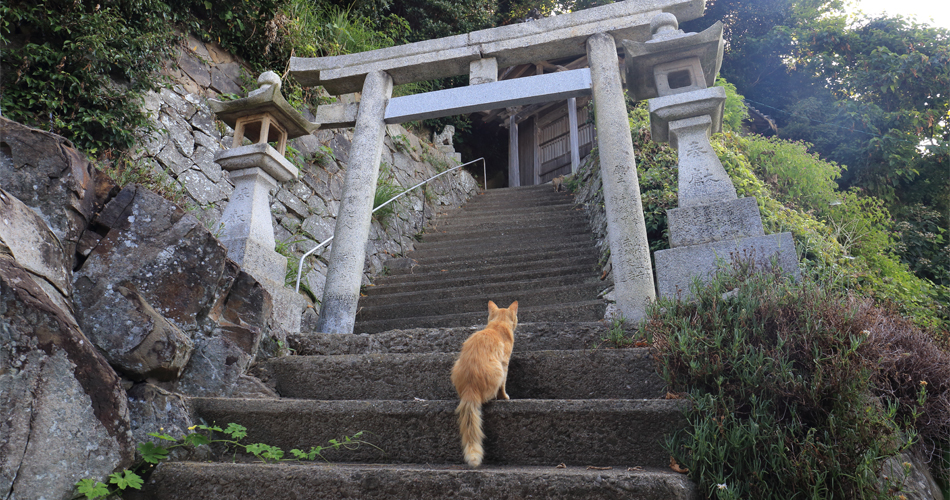
Aside from playing spot-the-kitty, there are a few specific sights and activities to check out on Tashirojima. One is the famous Cat Shrine (Neko Jinja), tucked in a wooded area near the center of the island. This little shrine was built to honor a cat that, according to legend, was accidentally killed by falling rocks in the 1800s. The saddened fishermen buried and enshrined that cat, beginning the island’s tradition of revering cats as guardian angels.
Another highlight is Manga Island, a quirky cat-themed camping area on the southern tip of Tashirojima. Here, you’ll find a set of five bungalow cabins shaped like cats, designed by famous manga artists. Yes, you can actually stay overnight in a cat-shaped house! (Talk about an immersive Cat Island travel experience.) There’s also a campground if you prefer to pitch a tent. Even if you don’t spend the night, it’s fun to walk over to Manga Island to see the cartoonish architecture and the panoramic ocean views around it. Not surprisingly, cats tend to gather around the camp area too – they’ve figured out that campers and picnickers are a great source of snacks.
Speaking of snacks, note that amenities on Cat Island are very limited. This isn’t a place with resorts or a bunch of restaurants – it’s a tiny village community. There is one local cafe (called Shima no Eki) and one general store near Nitoda Port. They offer basic food and drinks (and occasionally sell cat food for visitors who want to feed the kitties). However, it’s wise to bring your own lunch, water, and essentials, especially if you plan to stay for more than a few hours. Also, be prepared to carry out any trash you produce – the island asks that visitors take their garbage back with them to keep the environment clean. There are a few public restrooms too, so take advantage of facilities at the ferry terminal or on the ferry boat if needed.
Despite (or because of) its remoteness, Tashirojima has a peaceful, rustic charm. Expect to spend your day walking the quiet lanes, snapping photos of cats posing in doorways or lazing on fishing nets, and chatting with the friendly locals if you speak a bit of Japanese (or even if you don’t – a smile and a polite bow go a long way).
The island is small enough to explore on foot; there are a couple of easy hiking trails through the forest that connect the two villages. These paths lead you past old shrines, beaches, and viewpoints with cobalt blue ocean panoramas. If you stay overnight, you’ll find the evening incredibly tranquil – with so few people and no big towns nearby, the night skies are full of stars, and the only sound might be an occasional meow or the lapping of waves.

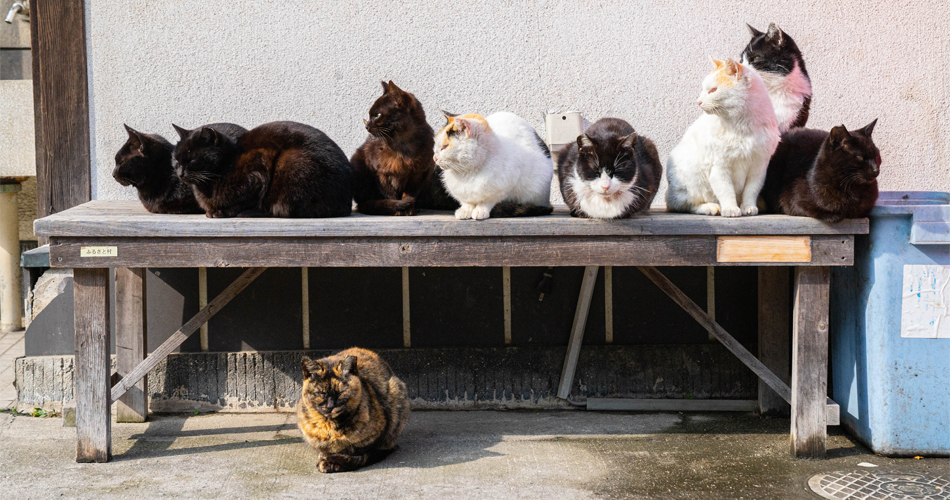
One more thing not to miss: if you can time your visit right, try to witness the daily cat feeding ritual. Locals (and sometimes volunteers) feed the community cats at set times, often in the late morning or early afternoon. During this event, cats from all over the island flock to one spot – it’s like an instant cat convention! Tourists who have seen it describe it as hilariously adorable chaos, with well over 100 cats converging for their feast. It’s an amazing sight (and photo op) to see all the kitties in one place, politely waiting for their food. Ask on arrival if there’s a known feeding time that day – it’s a highlight of Cat Island travel for sure.
How to get to Cat Island, Japan
Reaching Cat Island requires a little bit of journeying, but it’s fairly straightforward as long as you plan the connections. Here’s the step-by-step on how to get to Cat Island (Tashirojima):
- Get to Ishinomaki, Miyagi Prefecture. Ishinomaki is the nearest mainland city and the departure point for boats to Cat Island. From Sendai (the largest city in the region), you can take the JR Senseki Line train to Ishinomaki Station – it’s about 1 hour, 10 minutes and costs ~840 yen (≈ $7) one-way. The Japan Rail Pass covers trains if you have one. Alternatively, there are also highway buses from Sendai to Ishinomaki (around 80 minutes, ~$9). If you happen to be coming from Tokyo, you’ll first want to take a shinkansen (bullet train) from Tokyo to Sendai (about 1.5 hours). From Sendai, connect to Ishinomaki as above.
Tip: If you plan to explore beyond Cat Island, getting a JR Rail Pass for the week might save money on these train rides.
- Walk or ride to the ferry terminal. Once in Ishinomaki, you need to reach the Ishinomaki Chuo Ferry Port (also called Ajishima Line Ferry Terminal). It’s about a 15-minute walk. If you have luggage or prefer not to walk, you can hop in a taxi for a quick 5-minute ride (around 1000 yen, ≈ $8). There’s also a local bus that goes near the ferry pier (ask for the bus to “Ajishima Line”), taking about 15–17 minutes.
- Take the Ajishima Line ferry to Tashirojima. Ferries are the only way to reach Cat Island (there’s no bridge or airport). The boat ride is scenic and takes about 45–60 minutes one-way, across the bay through calm waters. A one-way ticket costs roughly 1,230–1,250 yen (around $9–$10). There are typically 3 ferries per day from Ishinomaki to Tashirojima and back (usually morning, midday, and afternoon departures).
Important: Check the ferry timetable in advance – schedules can change by season, and there are fewer boats in operation during winter. You can find the timetable on the Ajishima Line website (or local tourism sites), and it’s wise to double-check it so you don’t miss the last return boat. In peak season, consider arriving early to buy your ferry ticket, as the boats can fill up with eager cat tourists! The ferry will stop at both Oodomari Port (north side) and Nitoda Port (south side) on Tashirojima – stay on until Nitoda, the second stop, which is the larger village where most cats and services are. Now hop off the ferry, and congrats – you’ve made it to Cat Island, Japan!
Getting back:
When you’re ready to leave, catch the return ferry from the same port (Nitoda or Oodomari). Don’t miss the last ferry of the day (usually around 3 or 4 PM), or you’ll be stranded on the island overnight unless you have lodging. It’s a good idea to set an alarm or have a watchful eye on the time, because losing track of time while playing with cats is way too easy!

Getting there from the US (affordable flight options)
Now that you know how to reach Cat Island from within Japan, let’s talk about the bigger journey: getting there from the United States. The key is to fly into the right gateway in Japan and plan your trip smartly to keep costs down. Whether you’re on the West Coast or East Coast, you can make this trip happen on a budget. Here’s how:
Fly into Tokyo or Nearby – Most US travelers will fly into Tokyo, since it’s the major international hub relatively close to Cat Island’s region. From the West Coast (e.g., Los Angeles, San Francisco, Seattle), you’re in luck: there are plenty of nonstop flights to Tokyo’s airports (Narita-NRT or Haneda-HND). A round-trip economy flight from LAX to Tokyo can be found for around $600-$800.
From the East Coast (e.g., New York, Boston, D.C.), nonstop flights are a bit longer (~14 hours) and can run around $900-$1,100 round trip, but deals pop up – for instance, connecting through West Coast hubs or using a competitive airline can lower the price. Keep an eye out for sales; airlines like ANA, JAL, United, Delta, and even budget carriers (like ZIPAIR from California) have offered some great fares.
Multi-City Itineraries to Save Money – Here’s a pro tip for the adventurous: Consider booking a multi-city flight instead of a simple round-trip. With a multi-city (or “open jaw”) ticket, you could fly into Tokyo to start your Cat Island travel, and then fly home from another city like Osaka or Sapporo if you plan to explore more of Japan.
Oftentimes, multi-city tickets cost about the same as round-trip, but save you the cost of backtracking to your original arrival city. Ovago, for example, has a handy multi-city search option – you can plug in LAX → Tokyo and then return as, say, Osaka → LAX in one booking. This way, you might visit Cat Island and then make your way south through Japan, flying home from a different airport. It’s a great way to see more and save on airfare by bundling flights.
From Blog to Boarding Pass
One-click secures flights, offers payment flexibility, and provides 24/7 Ovago support for your next adventure to Japan’s Cat Island.
Plus, if you’re an East Coaster, sometimes flying out of a different city on the return can avoid the higher Tokyo departure taxes or yields, potentially saving a bit more.
No matter where you fly from, try to book at least 2-3 months in advance for the best prices, and avoid major holiday seasons when fares spike. Flying mid-week can also sometimes save you money.
Check out our economy-class deals – we specialize in finding budget-friendly flights for travelers, and you can even call our agents for help piecing together a cost-effective itinerary!
Cat Island Travel Tips for an Unforgettable Trip
To wrap up, here are some essential tips and reminders to make your Cat Island travel experience as smooth and enjoyable as possible:
- Plan around the Ferry Schedule: As mentioned, there are only a few ferries each day. Take the earliest ferry you can to maximize time on the island, especially if doing a day trip. And set an alarm to catch that last ferry back – you don’t want to be literally “left stranded when the ship has sailed”.
- Bring Cash (Yen): Cat Island has no ATMs, and credit cards are generally not accepted in the tiny shop or for ferry tickets. Bring sufficient Japanese yen with you. Small bills and coins are useful for buying ferry tickets (1,250¥), snacks, or an offering at the cat shrine.
- Come Prepared: Treat your Cat Island excursion like a mini picnic adventure. Stock up on drinks and food in Ishinomaki or Sendai before you go. A bottled water, some onigiri (rice balls) or sandwiches, and maybe some cat treats (if you wish) will go a long way. There is limited food for purchase on the island, and you’ll enjoy having your own goodies. Also consider basics like sunscreen, a hat, and comfortable walking shoes – you’ll be on your feet exploring, and there’s not a lot of shade in some areas.
- Respect the Cats and Locals: The cats on Tashirojima are generally friendly, but remember they are free-roaming animals, not trained pets. Approach them gently and let them sniff you first. Most will happily accept a chin scratch or snack, but if a cat walks away, let it do its thing. Supervise children to ensure they are calm and gentle around the kitties. And of course, never try to pick up or hold a cat that resists – nobody wants a scratch as a souvenir. Also, respect the local residents’ privacy and property. The islanders are used to tourists, but it’s still their home. Always ask before photographing someone, and stick to the main paths or obvious areas when wandering about. A friendly “Konnichiwa” (hello) and a smile can help create a positive interaction if you meet locals. They appreciate visitors who adore the cats as much as they do!
- Overnight on Cat Island (if you dare): If you’re a hardcore cat enthusiast or just want a unique experience, consider staying overnight on Tashirojima. Accommodations must be arranged in advance. The popular option is the Manga Island cat cabins (open in warmer months) – you can reserve one through Ishinomaki’s tourism website or by phone (they can fill up on weekends). These are basic but comfortable lodgings that sleep 4-5, and cost around 3,000–4,000¥ per person per night (roughly $25-35, quite affordable!). There are also a couple of minshuku (guesthouses) run by locals in the Nitoda area. Staying allows you to enjoy the sunset, do some stargazing, and see the cats at night and early morning when no day-trippers are around. Just note there are no convenience stores, so bring dinner/breakfast with you.
- Best Time to Go: Cat Island is open year-round (the cats don’t take holidays!). The ferry runs in all seasons, though bad weather can cancel boats occasionally. Spring (April-May) and Autumn (September-October) are fantastic times to visit – mild weather, and you might catch cherry blossoms or fall foliage, which make for lovely photos with cats. Summer is also fun, but it can get hot and humid (cats will be lazing in the shade during midday). Winter sees far fewer tourists; ferries still operate, but it’s cold and the Manga Island cabins are closed in winter. If you go in winter, bundle up and don’t expect to stay overnight unless you arrange a guesthouse. Also, weekdays are quieter than weekends – on a busy weekend or holiday, the ferry might be full of other cat-tourists.
- Enjoy Nearby Areas: Since you’ve come all the way to Miyagi Prefecture, consider exploring a bit more. The city of Ishinomaki has a charming manga museum (Ishinomori Manga Museum) and good seafood. The Matsushima Bay area (near Sendai) is famous for its beautiful pine-covered islands and could be a great add-on to your trip.
If you booked a multi-city flight, maybe your journey continues to other parts of Japan. Use that Ovago multi-city option smartly – for example, you could fly into Tokyo, do Cat Island, then train down to Kyoto/Osaka and fly home from there. You’ll get to see Japan’s highlights while keeping your flights cheap.
Wrap-up: time to book that Cat Island travel dream
Finally, embrace the spirit of adventure and whimsy on this trip. Visiting Cat Island in Japan is not your everyday vacation – it’s a quirky, memorable experience you’ll be talking (and bragging) about for years. Tashirojima will steal your heart. So charge your camera and get ready to set off on a truly unique journey. And if you need help snagging those budget-friendly flights, remember that Ovago can hook you up with economy deals and that money-saving multi-city booking to make your Cat Island travel dream a reality. Here’s wishing you a pawsitively amazing adventure on Cat Island – don’t forget to say konnichi-meow to the kitties for us!