When we hear the term “low season” associated with a particular tropical travel destination, we tend to perceive this time as unfavorable for travel. We typically imagine incessant rainfall, leaving us drenched and susceptible to catching a cold. In this unpleasant fantasy we struggle to find enjoyable activities amidst inconvenient and uninspiring surroundings.
However, this dismal perception couldn’t be further from the reality of experiencing a fantastic low-season vacation in the Philippines. In fact, it offers you numerous advantages. All you need to do is to:
- select the right destination
- understand what to anticipate
- adequately prepare for potential temporary inconveniences
- remain open to embracing an alternative Plan B
By doing so and taking advantage of our amazing flight deals, you’ll enjoy the benefits outlined in the next section of the article.
Read in this post:
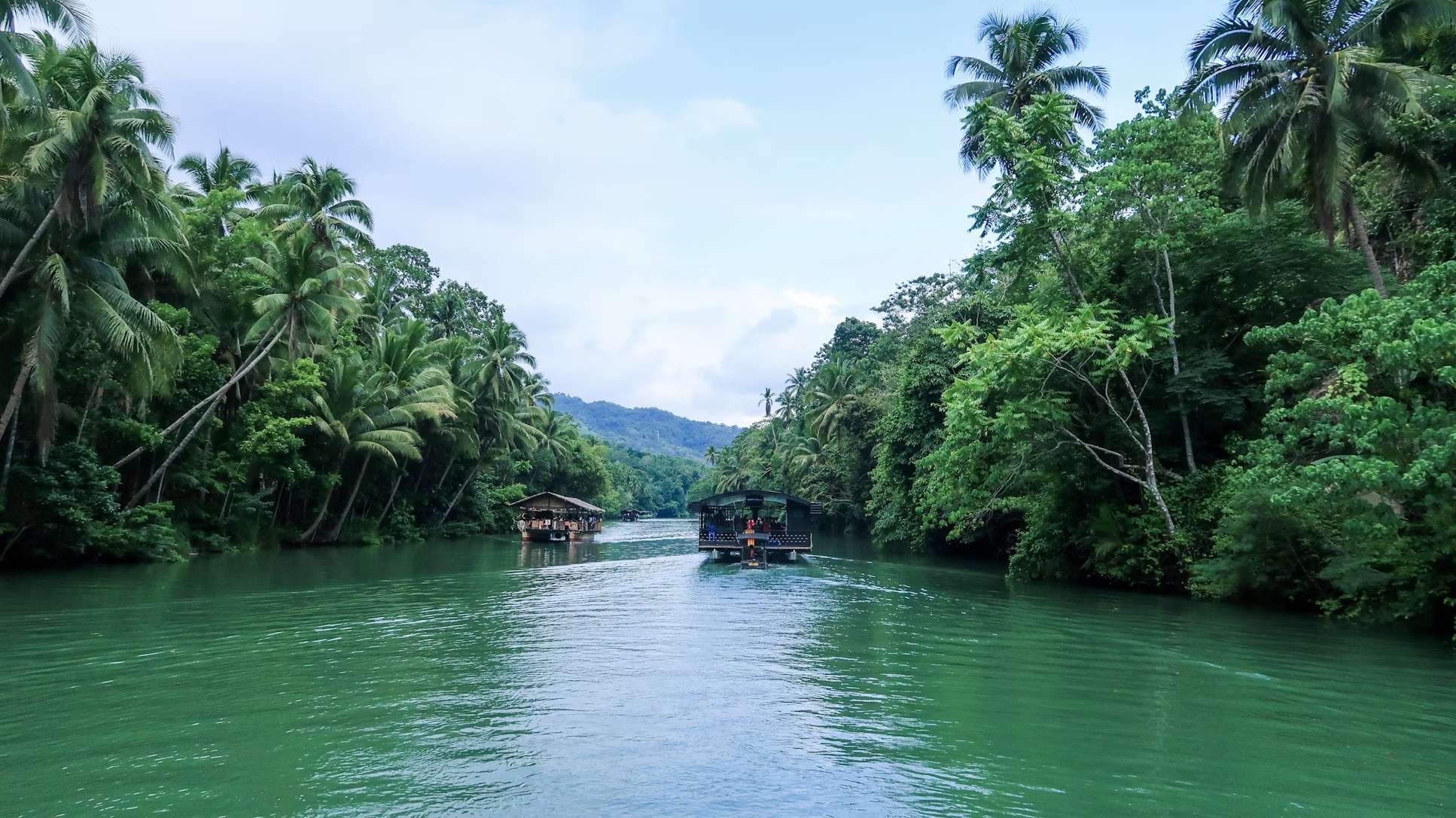
Wet Season in the Philippines: 8 Compelling Reasons to Choose Flights to the Philippines for Your Amazing Getaway
Between May and October in the Philippines is the low season, also known as the wet season. During this seemingly unfavorable calendar time, you can still relish warm, sunny days, with temperatures typically reaching the early 30s. Add to this the following enchanting promises:
- Lower Prices: Using our service, you can find flight booking deals that could save you up to $150 to $200 on a round-trip ticket to the Philippines during low season. With Ovago, you also can take advantage of special promotions for flight booking that often occur for the low season period. Follow Ovago on Facebook and Instagram, monitor our blog updates, and subscribe to our emails to stay informed on great discounts we provide. Other travel costs, including accommodations and tours, tend to be lower during the wet season due to decreased demand. You can use services like Klook Travel that often announce rainy season deals for a great variety of travel experiences in the Philippines.
- Fewer Crowds: The wet season generally sees fewer tourists compared to the peak season, which means fewer crowds at popular attractions, beaches, and accommodations. Travelers can enjoy a more peaceful and relaxed atmosphere, with less competition for services and activities.
- Lush Green Landscapes: The wet season brings increased rainfall, which results in lush vegetation, vibrant landscapes, and blooming flowers throughout the country. Travelers can enjoy the beauty of verdant forests, rice terraces, and tropical gardens, adding a colorful backdrop to their adventures.
- Waterfalls and Rivers: The wet season enhances the flow of rivers and waterfalls in many parts of the Philippines, creating spectacular cascades and natural pools for swimming and bathing. Visitors can witness the full force and beauty of waterfalls such as Pagsanjan Falls (Laguna province), Tinuy-an Falls (Surigao del Sur province), and Kawasan Falls (Cebu province).
- Cultural Festivals: The wet season coincides with various cultural festivals and celebrations throughout the Philippines, offering travelers the chance to immerse themselves in local traditions, music, dance, and cuisine. Festivals such as the Pahiyas Festival in Lucban (Quezon province), Kadayawan Festival in Davao City (Davao Region), and T’nalak Festival (South Cotabato province) showcase the vibrant culture and heritage of the Philippines.
- Surfing and Water Sports: For adventure enthusiasts, the wet season brings ideal conditions for surfing, windsurfing, and other water sports in many parts of the Philippines. Experienced surfers flock to islands like Siargao (Surigao del Norte province). Calicoan and Guiuan, both in Eastern Samar province, offer exhilarating wave experiences best enjoyed during September and October. Palawan (precisely El Nido municipality) also allows riding prominent waves during the rainy months.
- Hot Springs and Spa Retreats: The cooler temperatures and occasional rain showers make the wet season a perfect time for soaking in natural hot springs or pampering oneself with spa treatments at wellness resorts. Many popular hot spring resorts are nestled in Laguna province renowned for its geothermal wonders emanating from the nearby dormant volcano, Mount Makiling. These thermal springs are favored for their therapeutic properties and are frequented by visitors seeking health benefits. Beyond Laguna, other provinces that boast must-visit hot spring destinations include Negros Oriental, Camiguin, Pampanga, Palawan, and Sorsogon.
- Unique Wildlife Viewing: The wet season can offer excellent opportunities for wildlife viewing, as many species thrive during this time of year. Appreciate the chance to spot migratory birds and endemic species in their natural habitats. Those who like snorkeling and hiking will enjoy organized walking and snorkeling tours in locations with favorable climate, clear waters, and diverse landscapes. These places include Palawan, Bohol, and Cebu.
We’ve singled out the last three provinces for a reason. With 81 provinces to explore, the Philippines offers a diverse range of travel experiences. However, some provinces are quite distant from each other. Additionally, travelers should exercise caution as the country is prone to typhoons during the wet season. Our selection of the top three low-season destinations is known for their sheltered locations and reduced typhoon risks. Visiting at least one of them will ensure you can fully enjoy your vacation!
Read also: When Flying Isn’t Ideal, Sailing Might Be
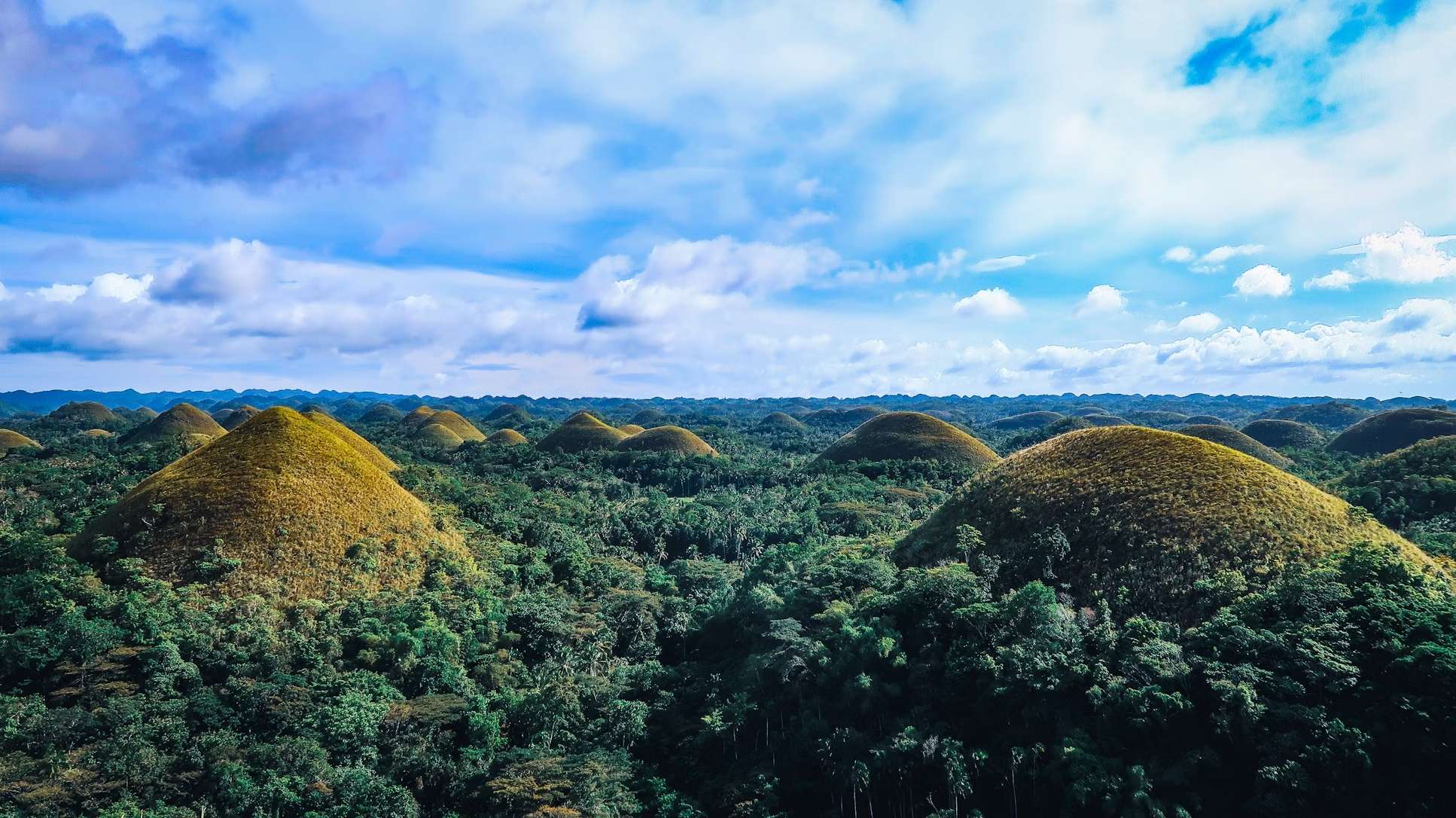
1. Cebu: a Dynamic Travel Hub With Breathtaking Coastal Beauty
Cebu, an expansive island, offers much more than just pristine beaches and the bustling Cebu City. It also serves as a convenient gateway to nearby destinations like Bantayan, Bohol, and Negros Island, reachable within 1.5 to 4 hours by ferry from Cebu City. Moreover, Cebu itself boasts a diverse range of attractions, including waterfalls, canyons, hiking trails, and snorkeling sites, making it a premier tourist destination in the Philippines.
With its sunny weather year-round, Cebu is an ideal choice for travelers seeking warmth and adventure. Additionally, Cebu province is often spared from tropical cyclones, as the typhoon season in the Philippines typically occurs in July and August, with most storms passing further north or south of the region.
Ultimate Destination Experiences:
Cebu is brimming with treasures, offering a plethora of breathtaking experiences. Begin your beach adventure by exploring the municipalities of Moalboal, Badian, Alcoy, or Oslob. They promise an exceptional seaside experience even during the rainy season. These areas are renowned for their stunning diving and snorkeling spots, scenic landscapes, iconic Kawasan and Tumalog Falls, pristine white sand beaches, and crystal-clear waters. Oslob, in particular, is famed for its whale shark watching tours, allowing visitors to snorkel alongside these gentle giants in the waters off the coast of Barangay Tan-awan.
Meanwhile, Malapascua, though still relatively undiscovered, stands out as a top destination for divers in the Philippines. Located on the northernmost tip of Cebu Island, the island’s main allure lies in its thresher sharks. Every day at 4:00 AM, the twinkling lights of diving vessels can be seen from afar as they head to Monad Shoal. This is a deep dive site where encountering thresher sharks—known for their distinctive elongated tails—is almost guaranteed!
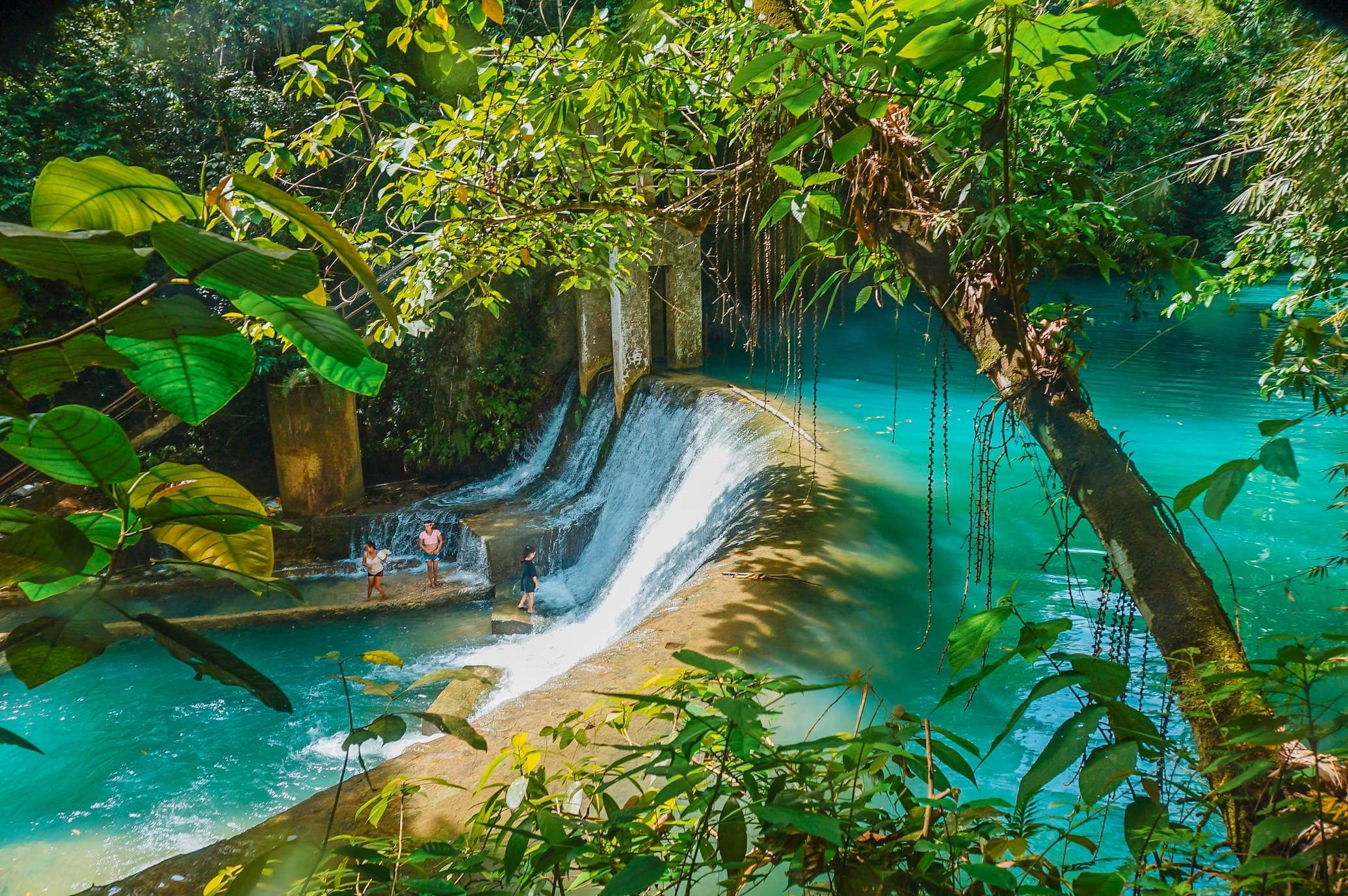
2. Bohol: Chocolate Hills, Cultural Celebrations, and Natural Wonders
Just 1.5 to 2 hours by ferry or fast craft from Cebu City, and you’ll find yourself in Tagbilaran City, Bohol province. Similar to the previous destination, Bohol offers a unique and charming travel experience. But be prepared for the rainy season if you plan to visit during this time.
Despite its reputation for sunshine, Bohol, like many tropical destinations in the Philippines, may experience sudden showers. Instead of letting rain dampen your enthusiasm, embrace it as an opportunity to indulge in Bohol’s unique charm at a relaxed pace.
Ultimate Destination Experiences:
- Chocolate Hills. These stunning hills captivate visitors with their chocolate-hued slopes, particularly during the dry season in the Philippines. However, as the country transitions into the low season, rainy days unveil a delightful transformation—the once brown hills flourish into a vibrant green, reminiscent of mint chocolate.
- Sandugo Festival. Annually in July, Bohol hosts the Sandugo Festival. It takes place in Tagbilaran City, marking the historic blood compact (Sandugo) between Datu Sikatuna of Bohol and Spanish Conquistador, Miguel Lopez de Legazpi. This month-long celebration features vibrant beauty pageants and spirited street dancing competitions. Be prepared for bustling streets and increased traffic around Tagbilaran City as festivities take center stage.
- There are also countless bike, boat, and walking tours organized around the province. Explore the Abatan River beauty, exotic animals like tarsiers in the place of their habitat, impressive Ingkumhan Falls, and more.
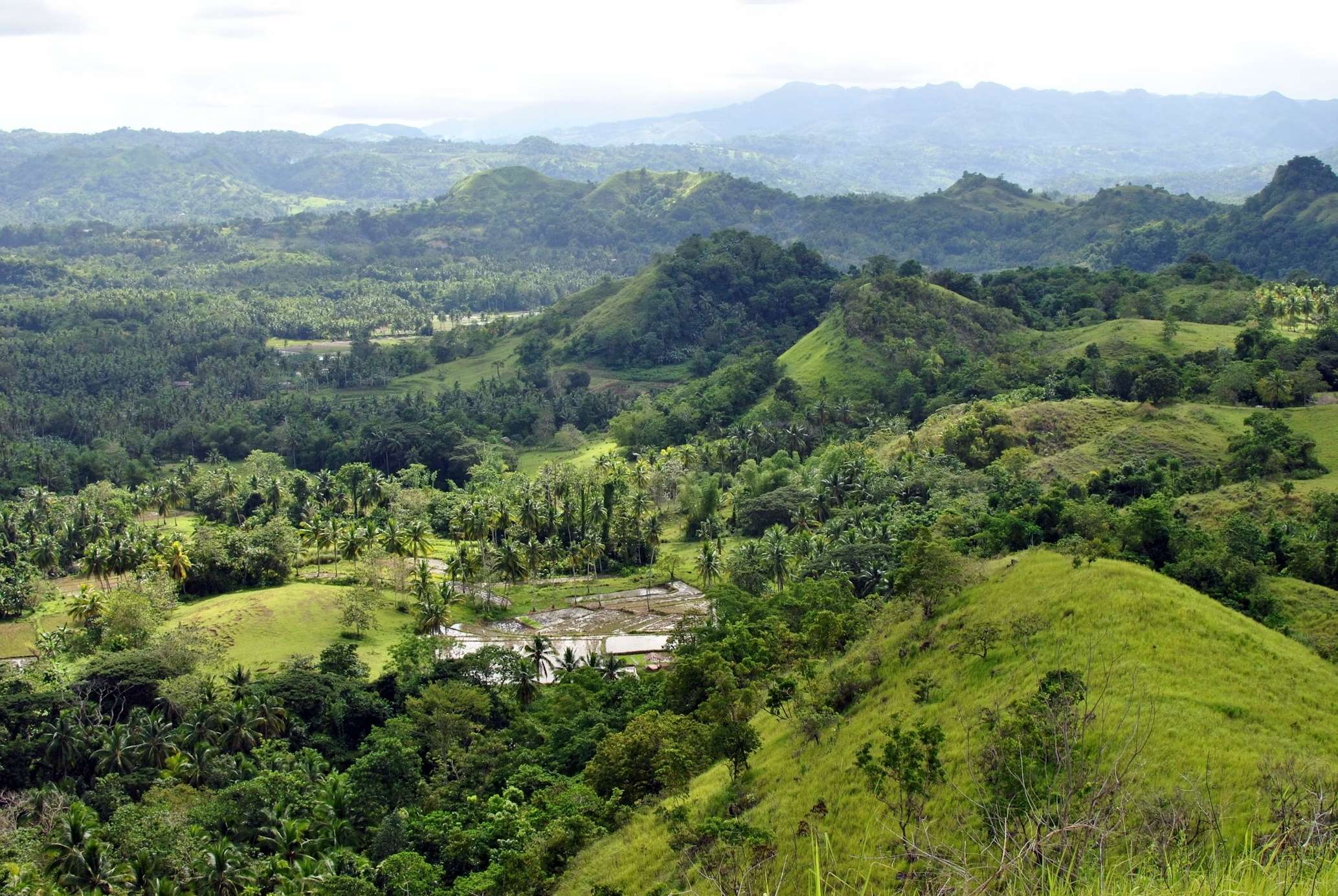
3. Palawan: a Collection of Philippines’ Finest Offerings
Palawan is situated quite a distance from the two previous destinations. The flight from Cebu to Palawan typically takes approximately 1.5 to 2 hours. Therefore, if you prefer to avoid domestic airline travel, Palawan can serve as a separate yet rewarding destination for your Philippines trip. Rest assured, Palawan offers an abundance of attractions, ensuring a fulfilling experience during your stay. In fact, you may want to return and further explore all that Palawan has to offer.
Palawan stands as a culmination of the Philippines’ finest offerings. For nature enthusiasts, this island province showcases breathtaking beaches, crystalline azure waters, and lush forests enveloping its mountains. History aficionados will find intrigue in its captivating historical landmarks, including the venerable historical fortress Fort Santa Isabel.
Some of the top tourist attractions in the province include:
- Puerto Princesa, the bustling capital of Palawan, is often the first stop for visitors to the island. As the only urbanized hub, it offers a vibrant culinary scene, lively nightlife, and a wide range of resorts and hotels. With its strategic location, Puerto Princesa serves as the perfect gateway to explore the many attractions of the region.
- Coron is the ultimate destination for diving enthusiasts, offering unparalleled underwater exploration opportunities. Steeped in history, the waters surrounding Coron are adorned with sunken Japanese ships from World War II, now captivating sites for adventurous divers. Moreover, Coron boasts the mesmerizing Kayangan Lake, a pristine freshwater oasis encircled by surreal karst cliffs, its crystalline clarity inviting visitors into a world of wonder.
- El Nido, the vivacious counterpart to tranquil Coron, vies for the title of Palawan’s premier beach destination. Renowned for its breathtaking shores, El Nido attracts a multitude of visitors seeking the epitome of tropical bliss. The area boasts an array of resorts and vibrant nightlife, catering to diverse tastes and preferences. However, keep in mind that the abundance of amenities also means a larger influx of tourists, potentially impacting the tranquility of the surroundings.
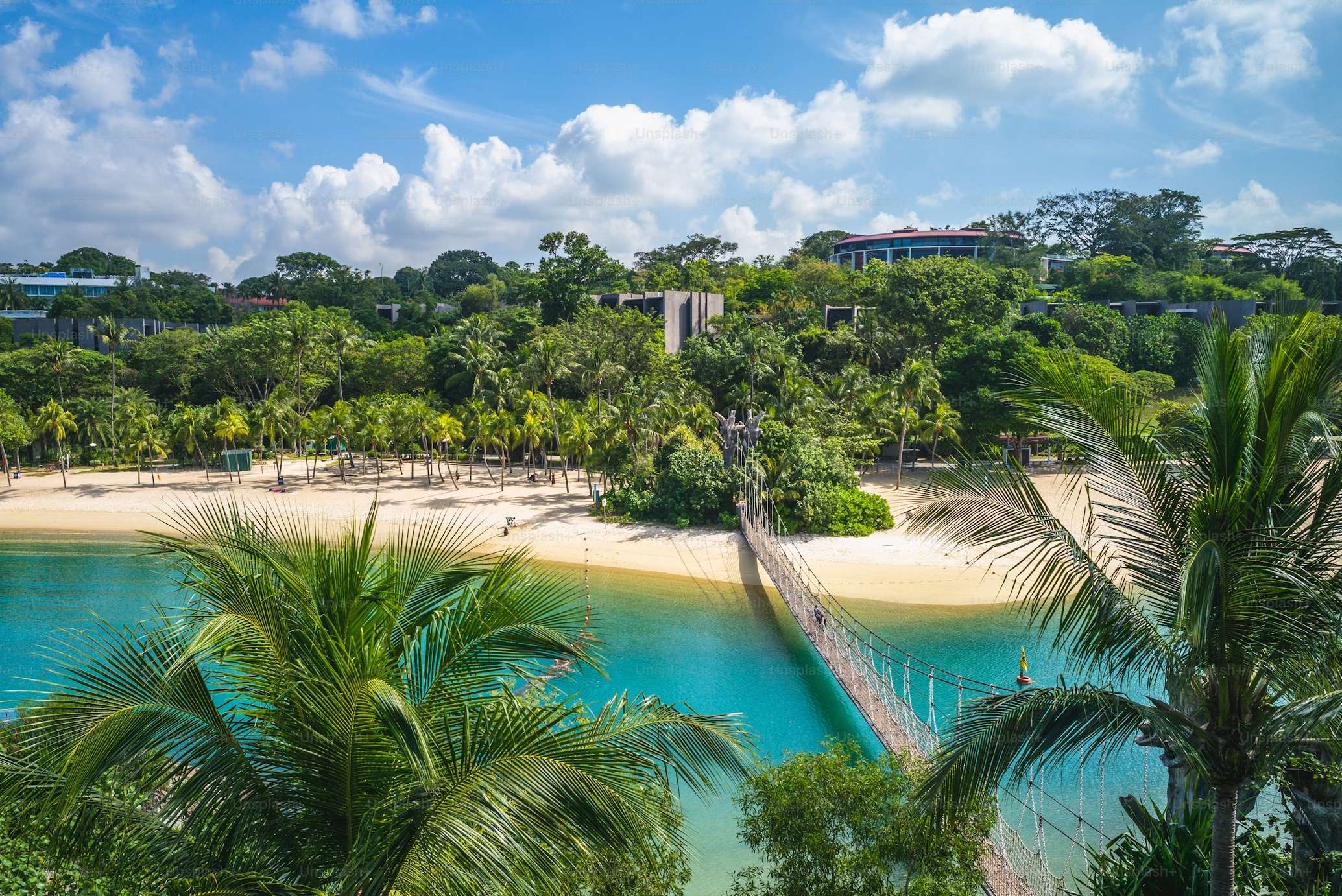
Now that we’ve explored our top three destinations in the Philippines, offering a paradise getaway even during the low season, let’s delve into one of the country’s most renowned places to visit: Manila. This bustling city is renowned for its historical landmarks like Intramuros and Rizal Park, vibrant shopping districts, and lively cultural scene.
Manila During the Low Season: Explore Enthralling Indoor Escapes from the Rain
Given Manila’s status as a top destination among our customers, it’s essential to address it. However, it’s crucial to note that from June to November, the city experiences its rainy season, making it less favorable for visitors. As the Philippines is prone to cyclones annually, Manila also encounters strong winds, particularly during the wetter months of August and September. Therefore, if you opt to explore Manila during the low season, don’t forget to pack your raincoat to weather the occasional downpour.
However, the variety of the capital’s outdoor and indoor attractions captivates promising lower prices during the low season. When the rain starts to fall, seek shelter in the diverse array of indoor attractions available and take advantage of special rainy day deals.
- Monitor online services like The Beat Asia that often offer various rainy day promos to enjoy hotels, tours, dining options, and other attractions at a bargain price.
- Relax in cozy cafes and savor delicious Philippines food at numerous restaurants.
- Engage in a diverse array of attractions, ranging from museums and indoor gaming parks to co-baking spaces, ensuring there’s something for everyone to enjoy.
Essential Tips for Philippines Travel During the Low Season
- Plan your transportation. For years, transportation in the Philippines has posed persistent challenges. Outdated infrastructure, restricted routes, overcrowding, and inefficiencies plague the country’s public transport system, creating substantial obstacles for countless commuters. So, plan your travel around the country beforehand. Research the transport situation in the area you plan to visit, install some useful transportation apps, and keep in mind that utilizing reputable transfer services can provide peace of mind during your travels.
- Constantly monitor the Philippines weather by checking the official websites of reputable weather forecasters or using reliable weather forecast apps like Windy. This proactive approach allows you to cancel your trip or booking if you anticipate a storm passing through your tour area. This will help you avoid incurring late cancellation fees and potentially secure a full refund if you act promptly.
- Pack for potential wet conditions. To prepare for typical rain during this time of year, include the following items in your packing list: an umbrella, windbreaker, wind-resistant gear, waterproof bag or backpack, quick-drying clothing from nylon or polyester, waterproof hiking boots or water-resistant sandals, a waterproof phone case or pouch, plastic bags to store wet clothes or muddy shoes, and an insect repellent since this is also the peak season for mosquitoes and other insects.
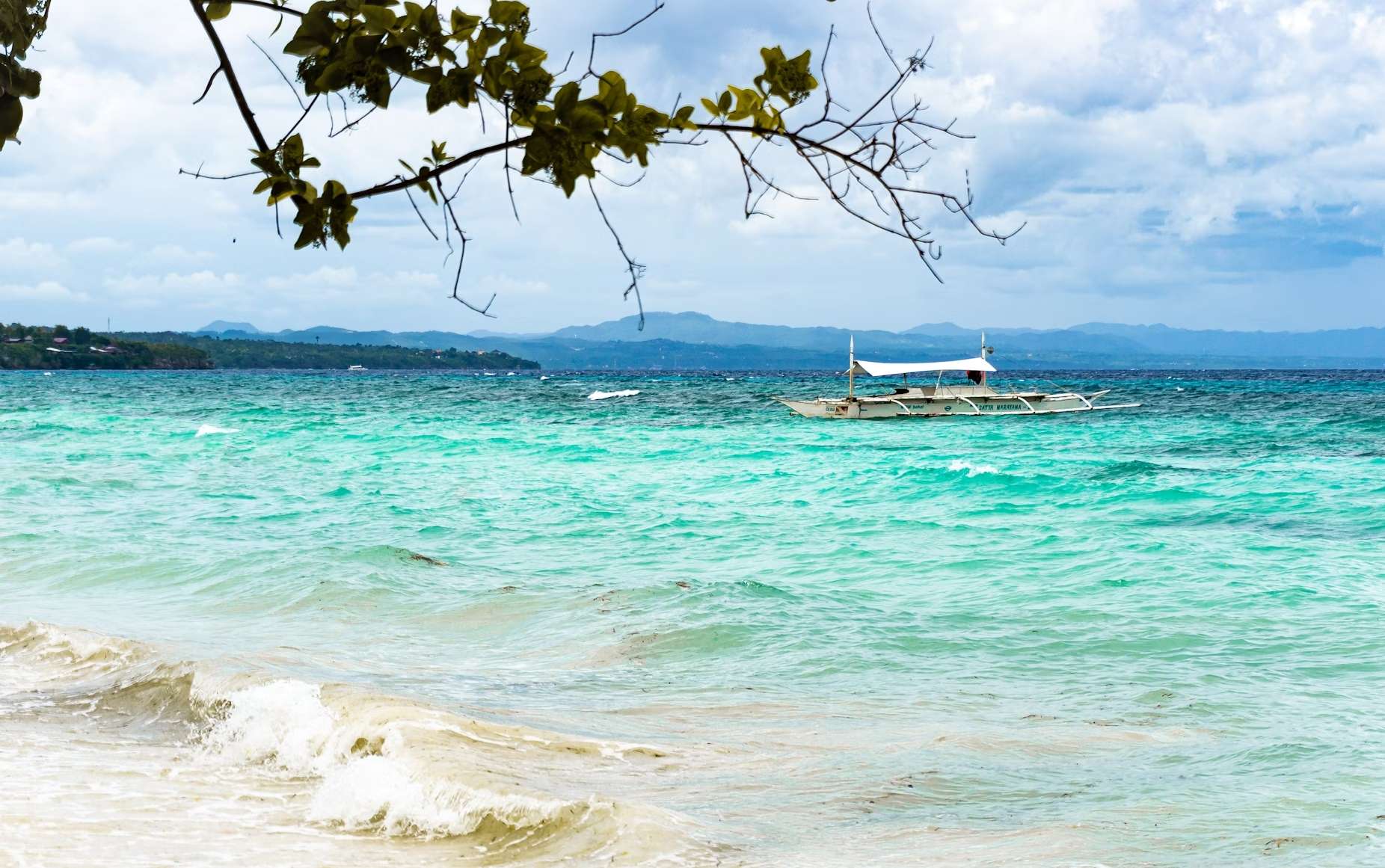
Now that you’re aware of the benefits of traveling to the Philippines during the wet season—awesome experiences, lasting memories, and cost savings—it’s time to start saving:
Book your budget-friendly flight to paradise with Ovago!
Take advantage of our exclusive hidden flight deals, 24/7 customer support, expert travel booking assistance, and tailored itinerary options.