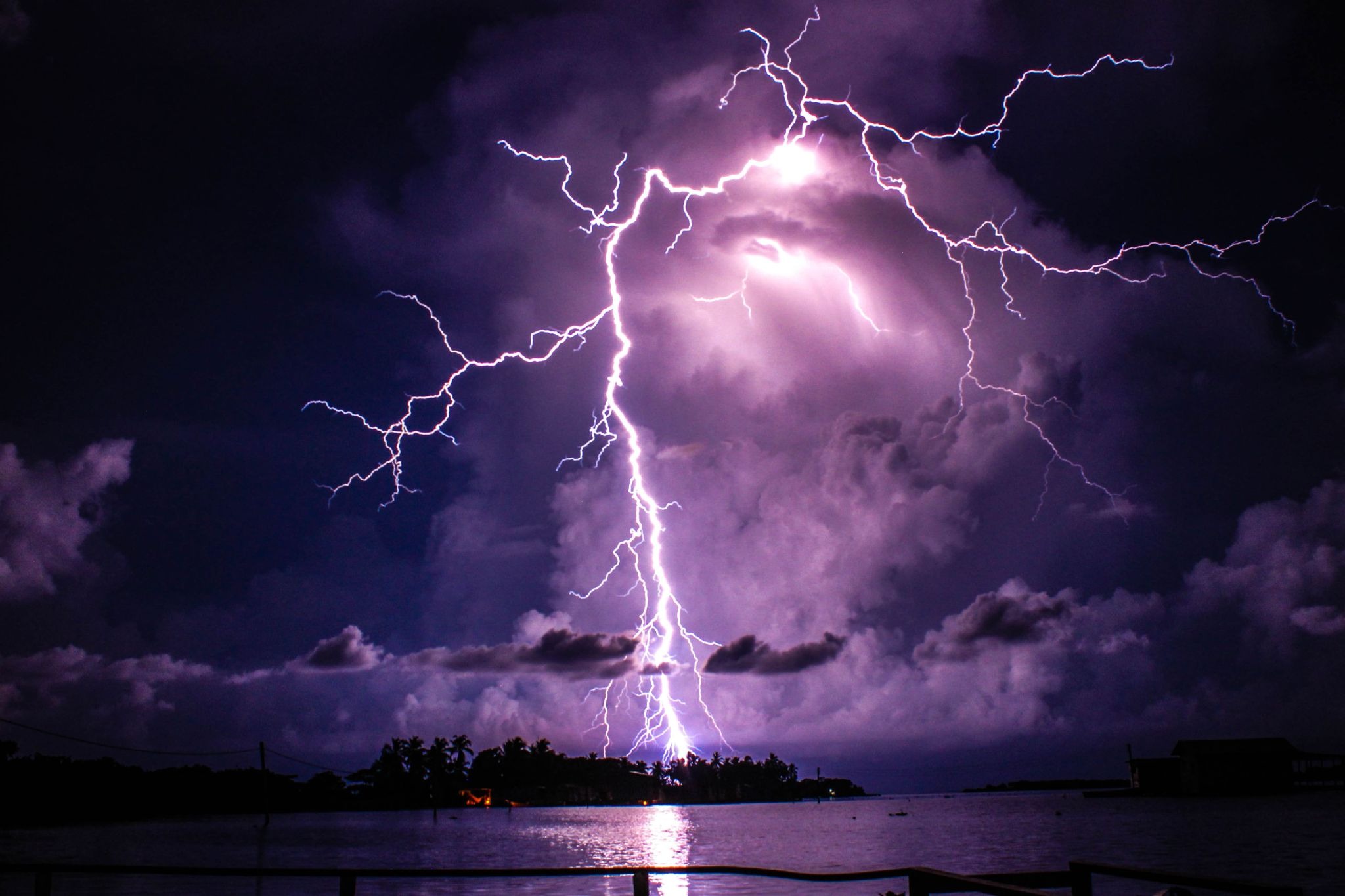

The place we’re talking about today isn’t just dramatic. It’s officially the lightning capital of the world. Satellite data from NASA confirms that this corner of Venezuela sees more lightning flashes per year than anywhere else on Earth.
At peak nights, energetic storms can fire off around 28 lightning strikes each minute, lighting up the sky again and again before fading with the dawn. That adds up to well over a million brilliant bolts every year, making this one of nature’s most electrifying shows.
This is Catatumbo Lightning, locally called Relámpago del Catatumbo or Rayo del Catatumbo. This is a rare atmospheric spectacle that happens at the mouth of Catatumbo River in Venezuela. In today’s post, we’ll answer the most striking questions about this unforgettable phenomenon and share why it’s a must-see wonder for every adventure seeker. Uncover more offbeat destinations to include in your bucket list.
Read in this article:
What is Catatumbo Lightning?
Catatumbo Lightning is not a one-night storm or a lucky weather accident. It’s a recurring natural light show that forms almost nightly in northwestern Venezuela.
Here’s what makes it extraordinary: this isn’t typical lightning that strikes once and disappears. It’s a powerful cycle driven by geography. Warm, moisture-rich air rises from the lake’s surface, while cooler air slides down from the surrounding Andes mountains. When those air masses collide, towering storm clouds build up and electricity starts to spark — again and again.
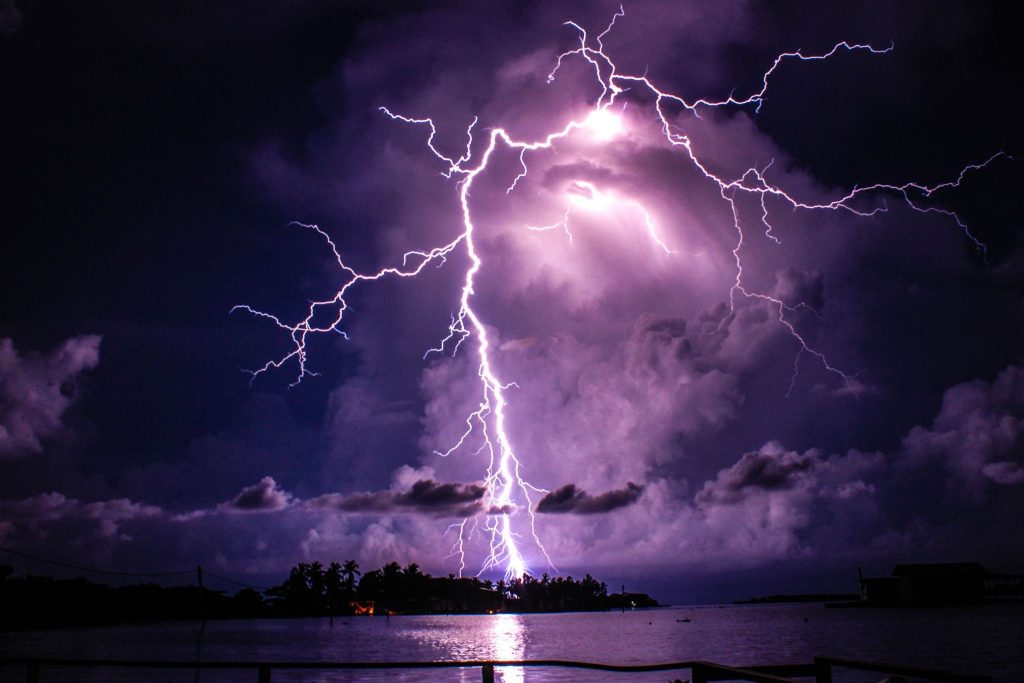
Most of the lightning flashes stay inside the clouds, turning the night sky into a constant silver glow rather than a ground-shaking thunderstorm. The result feels almost surreal: silent pulses of light flickering across the horizon for hours at a time.
In short, Catatumbo Lightning is nature’s perfectly engineered electrical loop (fueled by water, mountains, heat, and wind), creating one of the most consistent and mesmerizing weather phenomena on the planet.
Next in this series: Socotra: Your Gateway to the World’s Most Alien Island
Why is Catatumbo Lightning called the beacon of Maracaibo?
Catatumbo Lightning isn’t just spectacular, it’s practical. For centuries, its near-constant flashes illuminated the skies above Lake Maracaibo so reliably that sailors began using it as a natural lighthouse. The glow could be seen from miles away across the Caribbean coast, guiding ships safely toward the port city of Maracaibo. That’s how it earned its nickname: the Beacon of Maracaibo.
Long before radar and satellite navigation, mariners watched the horizon for those rhythmic bursts of light. The storms didn’t just decorate the night. They marked the shoreline, revealed distance, and offered direction in open water.
In essence, Catatumbo Lightning has never been just a storm. It has been a steady, bright, and unmistakable signal, turning nature into navigation.
Did lightning once save a city? In 1595, legend says Catatumbo Lightning exposed ships attempting a surprise night attack on Maracaibo. The sky lit up, the threat was revealed, and the city was warned in time. Part history, part folklore, but it’s one of the reasons this storm feels less like weather and more like destiny.
Next in this series: Nazaré Giant Waves: Watching the Atlantic Breathe
Where does Catatumbo Lightning occur?
Catatumbo Lightning appears in one very specific place, where the Catatumbo River meets Lake Maracaibo in northwestern Venezuela.
This isn’t random. Lake Maracaibo sits inside a natural basin surrounded by mountains, creating the perfect stage for nightly electrical storms. Warm air rises from the lake’s surface, cooler winds sweep down from the Andes, and the collision zone forms right above the water.
That narrow stretch of sky has become one of the most lightning-active spots on Earth. If you’re watching from a boat on the lake or from the shoreline near Maracaibo, the horizon often glows for hours after sunset.
It’s not spread across a country. It’s not seasonal across a continent. It’s concentrated, dramatic, and remarkably precise. One lake. One river mouth. One of nature’s brightest theaters.
A storm that keeps showing up. Unlike typical thunderstorms, Catatumbo Lightning is remarkably consistent. It can appear 140–160 nights a year, often flashing for 9–10 hours straight — more like a nightly performance than a passing storm.

Next in this series: Mendenhall Ice Caves: Alaska’s Surreal Frozen Wonder
Why does Catatumbo Lightning happen?
Catatumbo Lightning happens because this corner of Venezuela is built like a natural lightning engine.
Lake Maracaibo stores heat throughout the day, warming the air above it long after sunset. As night falls, that warm, moisture-heavy air rises steadily into the cooler atmosphere. At the same time, winds descend from the Andes funnel into the basin. The geography traps and concentrates these airflows instead of letting them disperse.
Inside the towering storm clouds that form, ice crystals and water droplets collide violently, separating electrical charges. When the imbalance grows strong enough, the sky releases it in rapid flashes, often for hours.
What makes Catatumbo different isn’t just the physics. Thunderstorms happen everywhere. But here, the lake, the mountains, the humidity, and the nightly temperature cycle align with remarkable precision. The result is a self-repeating atmospheric loop, rebuilding almost every evening. It turns one stretch of sky into the most consistent lightning hotspot on Earth.
Love exploring places that feel like nothing else on Earth?
Discover 10 natural wonders and events around the world that seem almost unreal.
Is Catatumbo Lightning dangerous?
Catatumbo Lightning looks intense and lightning is never something to underestimate. But what makes this phenomenon unusual is that most of its flashes occur high within the clouds rather than striking the ground.
That means observers watching from a safe distance (typically by boat on Lake Maracaibo or from the shoreline) usually see constant illumination without frequent ground strikes nearby. It often feels more like a glowing sky performance than a violent thunderstorm overhead.
Still, it’s real lightning. Storm systems can shift, winds can strengthen, and safety precautions matter. Local guides who understand the lake’s conditions are essential for visitors.
In short, Catatumbo Lightning isn’t a theme park spectacle. It’s raw weather at work. Respect the storm, keep your distance, and it becomes one of the safest ways to witness nature at full power.
Lightning without the roar. Surprisingly, Catatumbo Lightning is often quieter than it looks. Most flashes occur high within the clouds, so observers at a distance see constant illumination without the thunder crashing overhead.

Next in this series: Red Crab Migration on a Budget: How to Experience “It’s Raining Crabs”
Can you visit Catatumbo Lightning in Venezuela?
Yes, you can absolutely turn this electric wonder into a real adventure. Catatumbo Lightning isn’t just a scientific oddity. It’s a destination you can plan, travel to, and experience in person.
The best way to see the storms is by heading to the southern shores of Lake Maracaibo, where guided tours and local pilots take visitors out onto the water at night for unmatched views. Many tours run over 2–3 days, combining wildlife spotting, local culture, and comfortable stilt-house stays before the lightning show begins at dusk.
How to get there from the US
- Fly into Venezuela. Most journeys begin with a flight into Venezuela’s major international airports (like Maiquetía near Caracas).
- Connect to Maracaibo or El Vigía. From the US, you can usually find flights with one stop (often in Panama or Bogotá) into Maracaibo or via nearby hubs.
- Overland + boat adventure. From Maracaibo or El Vigía, you’ll travel by road toward the lake’s southern edge. Then you’ll board boats that carry you into the Catatumbo Delta and stilt-house villages for optimal lightning viewing.
Best time to go
The lightning is most consistent during Venezuela’s wet season, typically April through November, with October often offering the highest frequency of flashes per night.
Smart, budget-savvy, and untrivial tips
- Go beyond Maracaibo city. Local guides often recommend boats out toward Puerto Concha and villages like Ologá for clearer views and fewer lights on the horizon.
- Stay multiple nights. The storms are nightly but not guaranteed every evening. 2–3 nights improve your odds and give you time to explore wildlife and local culture.
- Pack practical gear. Mosquito repellent, waterproof bags, and sturdy shoes make this remote area more comfortable. Night boat trips can be humid and buggy, but that’s part of the adventure!
- Consider small group or private tours. They get you deeper into the delta and often include meals and nights in traditional palafitos (stilt houses), making the experience more immersive.
Most vital tip: A long-term study (2014–2024) confirmed that Catatumbo Lightning’s intensity varies from year to year. The phenomenon is reliable, yet highly sensitive to seasonal rainfall. Here’s what matters most: check regional rainfall patterns before you go. Drought periods can temporarily reduce lightning activity, while wetter months increase your chances of seeing the sky at full power. In short, don’t just pick dates, track the rain.
Next in this series: How to Visit China’s Avatar Mountains
Witnessing Catatumbo Lightning is not a casual day trip, it’s a trip within a trip. It combines off-the-beaten-track travel, rich local culture, boat journeys through wildlife habitat, and a night-after-night natural spectacle that few places on Earth can match.
And when you’re ready to plan how to get there (especially with complex routes, multi-stop itineraries, or group travel), rely on Ovago. We help you find smart flight deals, manage complex routes, and secure flexible options — so your journey to the heart of lightning country begins with a smooth takeoff from the US.