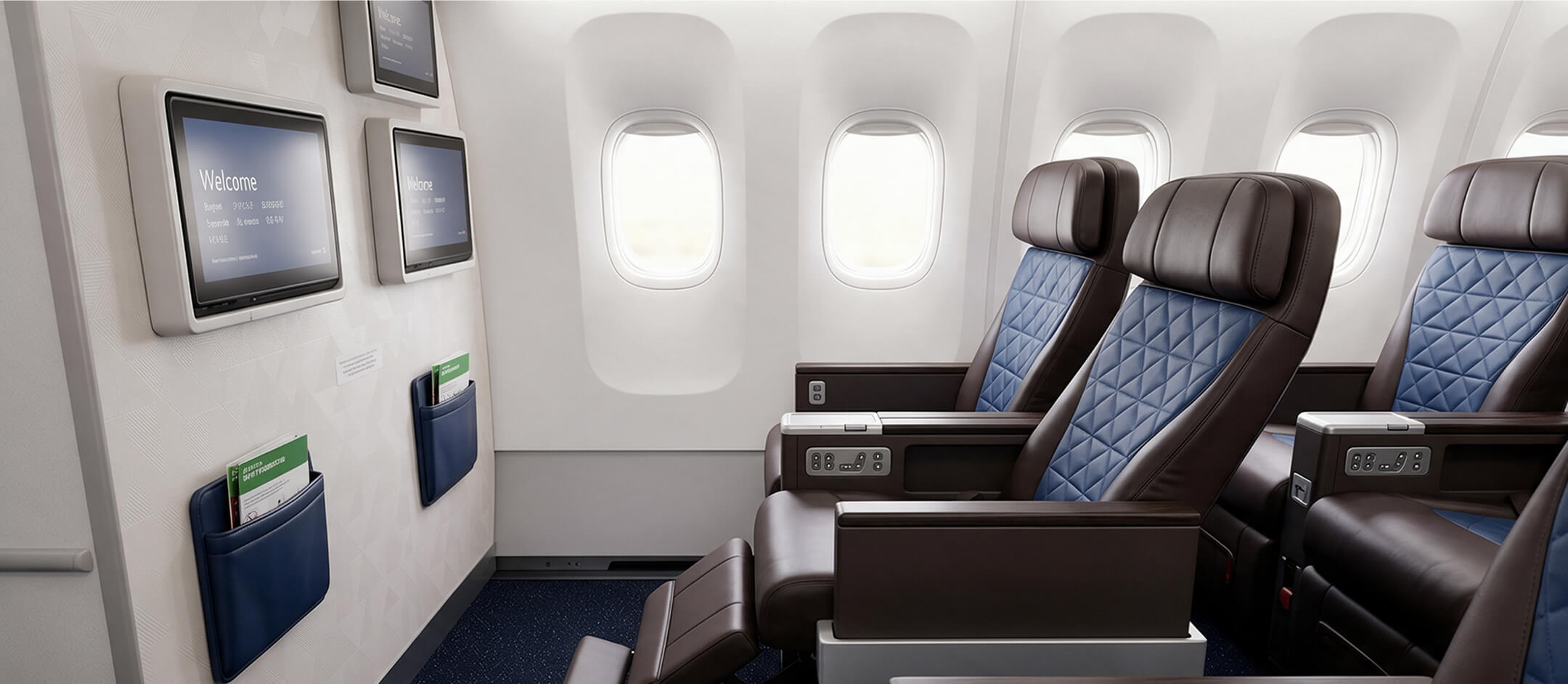

Most airlines treat economy as a compromise. Japan Airlines (JAL) and All Nippon Airways (ANA) treat it as a cabin that still deserves real thought.
Both carriers have earned reputations for making long-haul economy more comfortable than most travelers expect. While service quality plays a role, the biggest difference often comes down to something much simpler: space.
On many long-haul aircraft, ANA and JAL offer 33 to 34 inches of seat pitch, compared with the roughly 30 to 31 inches found across much of the industry.
A few extra inches may not sound life-changing when you are booking a ticket. Yet somewhere over the Pacific, they start doing real work.
A transpacific flight from Los Angeles, San Francisco, Seattle, or New York to Japan can keep you in your seat for 11 to 14 hours. Small differences in legroom, recline, and service become harder to ignore when the flight stretches into double-digit hours.
That is why travelers who fly ANA or JAL often describe the experience differently. The seat is still economy. The destination is still the same. But the journey tends to feel less like something to endure and more like something you can get through without feeling completely wrung out. In this article, we will examine what else shapes this experience.
Read in this article:
What ANA and JAL both get right
Although ANA and JAL compete directly with each other, the two airlines share a few qualities that stand out immediately on a long-haul flight.
Their economy cabins share a similar baseline: more space than many long-haul competitors, strong passenger ratings, and a service style that feels more restrained than what travelers may be used to on many US carriers.
Part of that difference comes from the Japanese concept of omotenashi.
The term is often translated as hospitality, but the idea goes further: anticipating needs before passengers have to ask.
On board, that usually appears through small details, not grand gestures:
- cabin crew checking on passengers without being intrusive
- water and drinks offered proactively during long flights
- meal service that feels organized but not rushed
- a calm cabin atmosphere with fewer unnecessary interruptions
These details do not appear on a fare search, but they shape how the flight feels.
Anyone can notice a bigger seat. It takes a few hours in the air to appreciate a cabin that simply runs smoothly.
That quieter rhythm is most noticeable on overnight flights. Many flights between North America and Japan depart in the afternoon or evening and spend much of the crossing overnight. A cabin that feels orderly and predictable can make sleeping noticeably easier than one with frequent announcements, bright lighting, or constant activity.
ANA’s new Recaro seats might change the equation
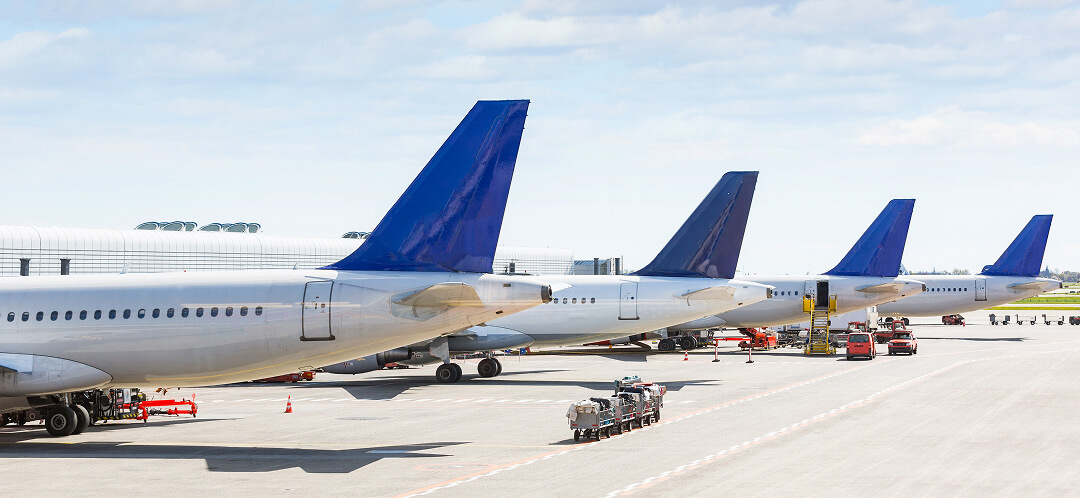
ANA and JAL share a strong baseline, but ANA’s upcoming Recaro seats give it a clearer long-haul economy story.
In 2026, ANA plans to introduce new Recaro economy seats on certain Boeing 787-9 aircraft, with improved cushioning, more knee space, and up to seven inches of recline.
The upgrade focuses on the parts of economy passengers feel most:
- one additional inch of knee space
- up to seven inches of recline
- improved seat cushioning
- updated ergonomic design
Extra knee room helps reduce the boxed-in feeling that builds after several hours in the same seat. The deeper recline allows passengers to rest in a more natural position without sitting as upright as they would in many standard economy seats.
Seven inches of recline is particularly notable because many economy seats offer closer to five or six inches. On an overnight crossing, that can mean a more comfortable sleep position and fewer hours spent fighting the headrest.
Better posture does not guarantee great sleep, but it improves the odds. That can matter when the plan is to land in Tokyo, Osaka, or Sapporo and start the trip the same day.
The trade-off: comfort usually costs more
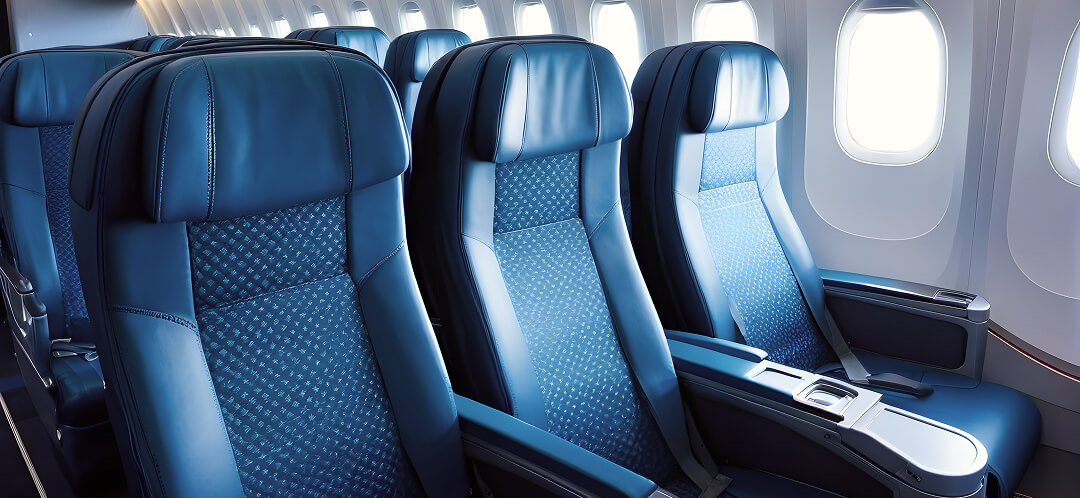
The catch is price: ANA and JAL are rarely the cheapest way to reach Japan.
In a typical fare search, round-trip economy tickets from Los Angeles to Tokyo, for example, can cost about $800–$1,400 on US carriers during quieter periods, while comparable ANA or JAL itineraries may be closer to $1,100–$1,600. The exact gap changes by route and season, but paying an extra $100–$300 is not unusual.
That raises the real question: if you are still flying economy, what are you paying for?
Not a different class of travel. Just economy done properly, which turns out to be rarer than it should be.
Taller passengers may notice the extra space immediately. Others feel the difference when trying to sleep, work, or avoid feeling pinned in place during an overnight crossing.
The premium also makes more sense if your planned activities start soon after landing. Arriving in Tokyo and heading straight into meetings, sightseeing, or a train to Kyoto is easier when you have slept reasonably well and spent fewer hours feeling confined.
ANA or JAL: which one should you choose?
For most travelers, the honest answer is that neither airline wins across the board. The choice is less about which one is “better” and more about which advantage matters more to you: ANA’s newer seat rollout or JAL’s long-standing focus on roomier economy seats.
- ANA’s advantage is tied to newer hardware. On eligible Boeing 787-9 aircraft, the Recaro seat will give the airline a clearer edge for passengers who care about recline, cushioning, and knee space. It also makes practical sense for travelers who collect United MileagePlus miles or fly Star Alliance often.
- JAL’s strength is width and consistency. Its Sky Wider economy seat was one of the earlier long-haul products to prioritize shoulder room alongside pitch, and many passengers still rank it among the more comfortable economy seats flying today. Once a flight passes ten hours, that extra width can count for as much as legroom. JAL also suits travelers who collect American Airlines AAdvantage miles or prefer the Oneworld network.
| Feature | ANA | JAL |
|---|---|---|
| Seat pitch | 33–34 inches on many long-haul aircraft | About 34 inches on Sky Wider aircraft |
| Main advantage | New Recaro seats on certain Boeing 787-9 aircraft | Wider Sky Wider economy seats |
| Alliance | Star Alliance | Oneworld |
| Best for | Travelers who want the newest seat design | Travelers who value width and consistency across aircraft |
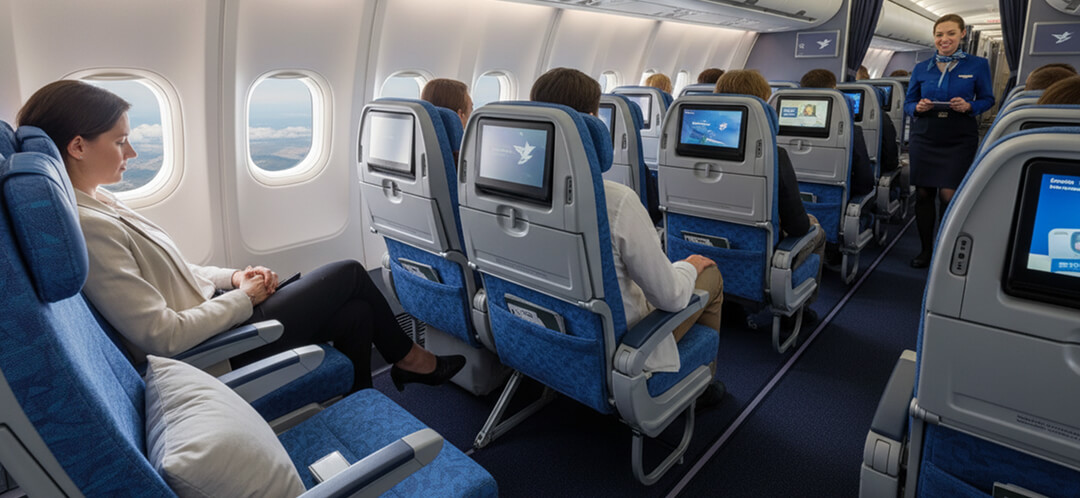
Not every economy seat is created equal
Compare economy seats and choose comfort before you book
Final thoughts
Neither ANA nor JAL turns economy into business class. You still share a cabin with hundreds of passengers, spend half a day crossing the Pacific, and feel eager to stretch when the aircraft reaches the gate.
What these airlines do differently is reduce the small discomforts travelers have come to accept as normal.
A little more space. A deeper recline. A service style that feels calm. Individually, none of those things sound revolutionary. Yet around hour ten of a long-haul flight, they start to matter quite a bit.
That is why ANA and JAL continue to stand out. They do not reinvent economy class. They simply make it noticeably easier to live with.
If Japan is on your calendar, Ovago can help you compare ANA, JAL, and other carriers so the flight matches the way you actually want to arrive: rested, prepared, and not quietly resenting your seat.