The Arashiyama Bamboo Forest is located on the outskirts of Kyoto and is a must-see for anyone planning a Kyoto travel adventure. Not only is it a gorgeous natural setting, but it also symbolizes a harmonious balance between people and nature. Stretching along the Katsura River, this forest draws in millions of visitors every year.
The tall bamboo stalks, reaching heights of up to 50 meters, create a sense of infinity and peacefulness. The rustling of bamboo in the wind has even been recognized by Japan’s Ministry of the Environment on its “100 Soundscapes of Japan“ list, highlighting just how unique it is. Bring more fresh ideas to your bucket list with unusual spots.
Ready to explore Kyoto? Book a sweet round-trip flight deal for less with Ovago. Trust me, you should visit this magical spot. Here’s why:
Read in this post:

Ecological Magic: How Bamboo Helps Save the Planet
Arashiyama’s bamboo forest acts like a natural “green shield.” Bamboo can grow over three feet a day, making it a champion at absorbing CO₂—one acre can store up to 12 tons of carbon annually. That’s four times more than your average pine forest!
Its root system keeps soil erosion in check, and the dense greenery prevents landslides, which is a huge deal in Japan’s mountainous regions. Plus, bamboo helps regulate water levels, storing moisture in its stems and creating a spongy leaf layer that preserves groundwater.
Beyond that, this forest shelters rare species, from sweet-singing birds and unique insects to occasional sightings of small pandas at the edge of the grove.
Cultural Significance: From Sacred Temples to Modern Design
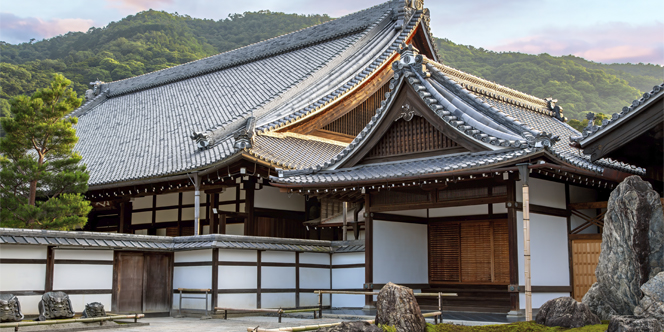
In Japan, bamboo is a symbol of purity and resilience. In Arashiyama, you’ll see this forest surrounding temples like Tenryu-ji, where bamboo is a key part of Zen-inspired gardens. If you walk along the famous Nonomiya Trail, look up: you’ll feel like you’re in a “living cathedral,” a nod to the ancient idea of sacred geometry.
Nowadays, Japanese architects and designers keep finding fresh ways to use bamboo: you’ll see it in modern eco-friendly buildings, chic furniture, and even wind turbines. In Arashiyama, local artisans hold workshops on bamboo weaving, so you can create your very own “green gold” souvenir.
Looking for a magical getaway to Kyoto?
Score fantastic airfare on Ovago and experience the awe-inspiring bamboo grove up close.
Traveler tips: Seeing the forest in a whole new light
- Best time to visit: Early morning or evening, when the crowds thin out and the sunlight creates a magical glow. Winter frost on the stalks is gorgeous, and come fall, the vibrant red maples contrast beautifully with the lush greenery.
- Getting there: From Kyoto, there are two ways you can get there. Hop off at JR Saga-Arashiyama Station (≈15 min, $2), then walk about 10 minutes. If you choose bus from central Kyoto, take bus #28 to Arashiyama Tenryuji-mae stop (≈30 min, $2.5).
- Where to stay: For an authentic experience, choose a traditional ryokan like Arashiyama Benkei, with onsen and kaiseki dinners. If you prefer comfort, boutique hotels like Suiran, or a Luxury Collection Hotel, combine modern comfort with stunning river views. Travelers looking for more budget options can opt for cozy guesthouses in the Sagano area.
- Nearby highlights: Check out the Iwatayama Monkey Park ($6), Togetsukyō Bridge, Tenryu-ji temple or enjoy a traditional boat ride on the river after your bamboo stroll.
- Activities and trails: You can rent a bike (about $7/day) and explore the Sagano Trail, which leads to treasured temples like Daikaku-ji. For more privacy, head to Okochi Sanso Shrine—a secret trail promising fewer tourists and stunning views of Kyoto.
- Local delicacies: Sample yuzu-mochi—a citrus-flavored sweet—at cafés along the main street. For traditional Kyoto cuisine (Kyo-ryori), try spots like Shigetsu at Tenryu-ji Temple. Don’t miss the chance to savor matcha (green tea) and wagashi (Japanese sweets) in cozy cafés such as Arabica or the Sagano Romantic Train Station Café.
Note: For travelers with disabilities, the main paths in the grove are gravel and only partially wheelchair accessible. Tenryu-ji Temple is equipped with ramps, though some areas may require assistance from an attendant.
Seasonal Events and Festivals
- Arashiyama Hanatoro (March and December): The forest and temples are illuminated by thousands of lanterns, creating an enchanting atmosphere.
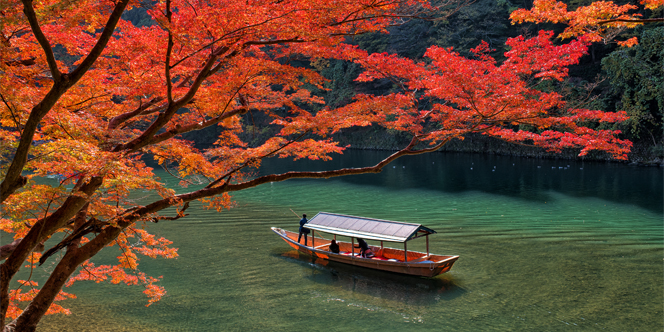
- Maple Leaf Festival (November): The surrounding mountains are painted in vibrant shades of scarlet and gold, with special evening illuminations along the river.
- Summer Boat Trips: Rent a traditional boat on the Hozu River and enjoy a relaxing picnic while surrounded by lush greenery.
Interesting facts that might surprise your friends
- The Sound of Relaxation: The gentle rustling of bamboo leaves is proven to reduce stress. Even watching videos of this grove can boost your mental well-being.
- Bamboo is Grass, Not a Tree: Those hollow stems (culms) are lightweight yet incredibly strong.
- Ancient “Antidepressant”: Historically, bamboo was used to purify water and played a big role in tea ceremonies.
- Growth vs. Balance: Bamboo can grow wild and damage ecosystems if not maintained. In Arashiyama, they practice smart cultivation to protect biodiversity.
Wrapping It Up: Arashiyama is More Than Just a Photo Op
Arashiyama’s bamboo grove bridges the past and the future, reminding us that nature can be both delicate and unbreakable, traditional yet forward-thinking. As the locals say, “Bamboo grows straight upward to remind us that even when space is tight, there’s always room to thrive.”
Remember to check out Ovago for cheap airfare deals if you’re planning to visit Japan. With our budget-friendly flights, your trip to the Arashiyama Bamboo Forest is closer than you think!
Oh, and don’t forget to pack a reusable bottle to try some delicious bamboo tea—it’s a taste of Kyoto’s unique charm that helps support local farms. Safe travels and happy exploring!