Low-cost airlines, also known as budget carriers, are all about getting you from Point A to Point B for less cash—sometimes shockingly less. Think of them as the fast-food version of air travel: quick, cheap, and not exactly superior quality. They achieve those jaw-droppingly low fares by cutting out extras like free meals, seat selection, and even checked baggage. Want your carry-on? That’ll cost you extra. Need more legroom? Yep, another fee.
Read in this article:
But how do low-cost airlines keep prices so low?
It’s all in the business model. First, they fly into smaller or secondary airports (like Stansted instead of Heathrow) to save on landing fees. Second, they use just one type of aircraft—like Ryanair’s Boeing 737s—to simplify maintenance and training costs. Third, they turn planes around insanely fast, sometimes in under 25 minutes, maximizing flight time and minimizing downtime. And let’s not forget fuel efficiency—they buy newer planes that sip fuel instead of guzzling it.
With so many top low-cost airlines competing for budget-conscious travelers, we decided to break down the most well-known carriers, categorize them by region, and compare their offerings. Here’s a quick look at budget airlines worldwide, along with traveler insights.

Top Low-Cost Airlines in Europe: The Kings of Cheap Flights
Let’s say you’re on a tight budget and planning a gap year to learn Spanish in Spain. While you’re in Europe, you also want to explore iconic cities like London, Paris, or Rome. In that case, Europe’s budget airlines are your go-to for affordable travel. Ryanair and easyJet are the rockstars here, with Wizz Air and Vueling playing backup.
- Ryanair: The king of no-frills. It’s the IKEA of airlines — affordable, efficient, and you’ll pay extra for everything else. Base tickets can hit €10, but fees for carry-ons (€50+), seat selection (€4+), and even printing your boarding pass (€69 at the airport!) add up fast. Flies to 235+ destinations across Europe and North Africa but often uses secondary airports (think “Paris” Beauvais instead of CDG). However, it’s really safe – ranked 3rd safest low-cost airline globally, thanks to its mega-fleet of 609 Boeing 737s and strict safety protocols.
- easyJet: Slightly pricier but way more chill. Their carry-on policy is less strict, and their flight attendants are famously friendly. Fares are average €50–€100 for popular routes (e.g., London to Barcelona), with fewer hidden fees. Checked bags start at €8.75. It covers 157+ destinations and takes 4th place for the safest low-cost airline, with a 347-plane Airbus fleet.
- Wizz Air: Great for Eastern Europe, but watch out for delays. Users have mixed reviews of this company — sometimes good, sometimes a disaster. Fares start at €20 for routes like Budapest to London but watch for €93 checked bag fees at peak times. However, ranked 7th safest low-cost airline, with a young fleet (average age: 4.7 years).
Pro tip: Avoid summer flights with Wizz Air — 44% of passengers reported delays in 2024. - Aer Lingus: Best for transatlantic vibes on a budget. For example, the fares from Dublin to NYC start at €200, but transatlantic routes are its sweet spot. The Airline connects Ireland to the US and Europe, with perks like free transatlantic checked bags.
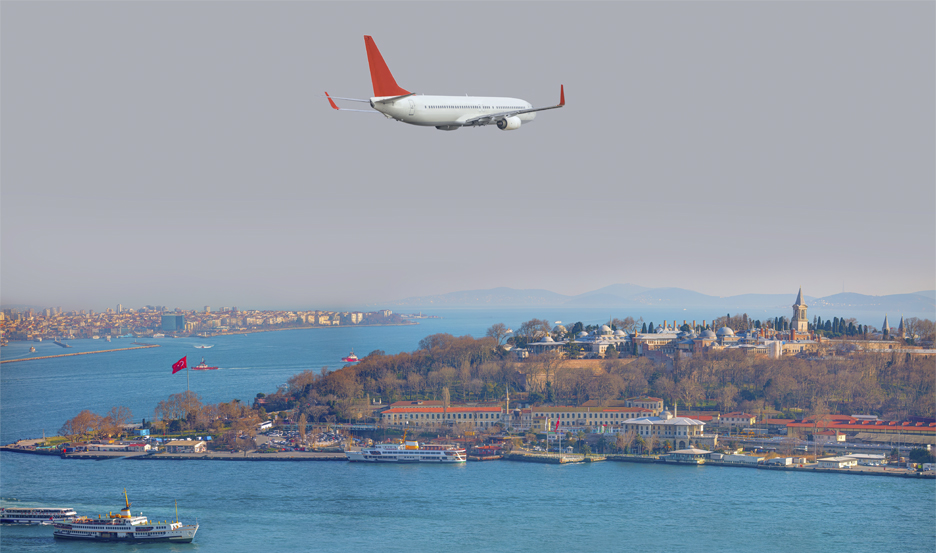
North America’s Budget Airlines: Cheap Flights, Big Fees
In the US, budget airlines like Spirit and Frontier are the masters of the “bare fare.”
- Spirit Airlines: Known for its bright yellow planes and even brighter fees. But in 2025, they were fighting bankruptcy rumors and Frontier’s shady merger offers. Reliability is —75% on-time arrivals and 0.37% mishandled bags. Users say about them: “Spirit’s seats have less legroom than my kid’s car seat. But for $40 to Miami? I’ll fold myself into a pretzel.”
- Frontier Airlines: Similar to Spirit but with a younger fleet. But hey, their base fares start at $29 for flights like Denver to Vegas. Just don’t blink—those fees add up super fast. They’re rolling out first-class seats by early 2026 and letting elite members fly witha free buddy. Reliability is not their thing a bit – on-time arrivals hit 71% in 2024, with mishandled bags at 0.39%. Still, their customer satisfaction score? A sad 472/1000.
- JetBlue: The “nice” budget airline. It’s not the cheapest, but free Wi-Fi (“Fly-Fi”), snacks, seatback screens, and decent legroom make you feel fancy compared to Spirit/Frontier. No extra bag fees (for one carry-on), but fares are about $50 more than a budget airline alternative. I’d also like to mention their loyalty program – TrueBlue points lets you pool miles with pals. Perfect for group trips where someone always flakes. Also, their “Mint” cabin (fancy first class) is expanding.
- Volaris: Ranked #10 safest low-cost airline globally. ¡Vamos! — no frills, but it gets you where you need to go (and often cheaper than Uber). The airline continues to expand its routes across Mexico, Central America, and the US, with a particular focus on new flights from its Tijuana and Guadalajara hubs to major US cities. Be prepared to pay extra for seat selection, baggage, and onboard snacks. Some customers mention that flight schedules aren’t always punctual—delays can be an issue.
Read also: How to Decode Online Economy Booking Reviews
South America’s Budget Airlines: Cheap Travel with a Latin Flair
South America’s low-cost carriers are growing fast, but they’re still finding their footing.
- Gol Transportes Aéreos: Brazil’s answer to Southwest Airlines, Gol offers affordable domestic flights across the country. With newer Boeing 737s and decent onboard service, they’re popular among locals and tourists alike. Domestic flights like Rio to São Paulo start at $40, but add $10+ for checked bags and $4+ for seat selection. They’re but don’t expect frills.
- Azul: combines affordability with a touch of luxury (yes, even LCCs can pull that off!). Their Embraer jets are sleek, and they offer unique perks like free snacks and live TV. It’s slightly pricier (e.g., Belo Horizonte to Recife: $120), but includes free snacks and a 23kg checked bag on some fares. They are merging with Gol to dominate Brazil’s skies. The combo would control 60% of the domestic market.
- Sky Airline: Based in Chile, Sky focuses on connecting major cities like Santiago and Lima. Connects Chile with Argentina, Brazil, and Peru. In 2025, they launched charter flights from Mendoza to Florianópolis. The airline is basic but hits the spot if you’re hungry for cheap flights. Fares start at $50 round-trip for Santiago to Punta Arenas (Plus $12+ for carry-ons and $4 for seats).
- Flybondi: Argentina’s answer to Ryanair. They’re cheap, but their routes are limited. It focuses on domestic Argentina and cross-border hops to Brazil (like new 2025 routes to Maceió). Flight from Buenos Aires to Córdoba costs $25 one-way, but you’ll pay $15+ for checked bags. Oh, and no seat selection — prepare for randomized chaos.

Top Low-Cost Airlines in Asia: Low-Cost, High-Volume
Asia has some of the busiest skies in the world. These top low-cost airlines operate in a region where air travel is often cheaper than taking a train or bus over long distances. So, who’s doing it best?
- AirAsia: The Ryanair of Asia. They’re cheap, reliable, and have a massive network throughout Southeast Asia (Thailand, Indonesia, Philippines, etc.) and expanding into India, China, and Australia. The airline was named the World’s Best Low-Cost Airline in 2024 for the 15th year straight. Their secret? A fleet of over 200 fuel-efficient Airbus jets and innovations like self-check-in kiosks, which help speed up boarding—a lifesaver at chaotic airports. Like most low-cost carriers, AirAsia charges extra for everything from checked baggage to meals. But hey, if you pack light and bring your own food, you’ll definitely save. The flight from Kuala Lumpur to Penang might be under $20 on sale. Longer flights, like Kuala Lumpur to Bali, often start around $50 one-way if you book early (pretty impassive, right?).
- IndiGo: India’s largest budget carrier. They’re known for punctuality and clean planes. This airline dominates the Indian market, accounting for nearly 60% of domestic flights as of 2024. Known for its punctuality and no-frills approach, IndiGo keeps things simple: affordable fares, clean planes, and minimal fuss. Domestic one-way flights can start around $30 (for shorter routes like Delhi to Jaipur) if you book ahead. International fares (e.g., Mumbai to Dubai) might hover around $80–$100 one-way on a promotional deal.
- Pegasus: A rising star for budget flights between Turkey and Asia. For example, you might find flights from Istanbul to Dubai for as low as $120—but expect additional fees for extras. The airline primarily operates out of Istanbul’s Sabiha Gökçen Airport, offering both domestic and international routes. What Sets Them Apart? Unlike Ryanair, Pegasus allows free seat selection during booking, giving passengers a bit more flexibility (unlike Ryanair).
- Scoot: Part of Singapore Airlines’ portfolio, Scoot specializes in long-haul budget flights. If you’re heading to Sydney, Tokyo, or Athens, Scoot makes these journeys wallet-friendly. As for fares, flights from Singapore to Bangkok can be as low as $40 one-way. Long-haul flights to Berlin might range from $200 to $300 one-way, depending on the season. They’re also known for playful campaigns—like giving out free seat upgrades via “fun” mid-flight contests (trivia, karaoke, you name it). However, like most low-cost carriers, Scoot’s base fares do not include free meals or checked baggage. Additionally, some seats on the Boeing 787 can feel snug on 8+ hour routes if you’re tall.
Comparing Budget Airlines in Oceania: Small Market, Big Players
Oceania’s budget scene is dominated by Jetstar and Virgin Australia.
- Jetstar Airways: Australia’s low-cost leader. They are known for cheap tickets, especially if you snag one of their “Friday Fare Frenzy” or seasonal sales. They’re cheap, but delays are common. They fly Australia-wide, plus international destinations in Asia and the Pacific (like Bali, Phuket, and Honolulu). Jetstar has been making strides in reliability, with an on-time performance (OTP) of 80.6% in September 2024, up from previous years. Their cancellation rate has also dropped to 0.9%, which is a win for budget travelers. But let’s be real: Jetstar’s baggage fees and onboard snack prices can feel like a mini-heist.
- Air New Zealand: Often seen as New Zealand’s answer to Southwest, Air New Zealand dominates domestic routes and flies extensively to Australia, the Pacific, Asia, and the Americas. Their OTP sits at 82.1%, slightly better than Jetstar, but their cancellation rate is higher at 1.5%. Fares start at $49 for domestic flights (seat-only) and $250–$300 one-way for Trans-Tasman routes like Auckland to Sydney, with deals available. What sets them apart? Comfort, service, and top-tier safety (a young fleet ensures a strong safety record).
- Regional Express (Rex): If you’re venturing into Australia’s regional areas, Rex is your best bet. Rex specializes in linking smaller towns and cities that major airlines often overlook. Unlike no-frills carriers, Rex offers complimentary snacks—such as muffins or cookies—on some short flights, a small but welcome perk. The downside? Limited schedules, especially for remote destinations, so planning ahead is essential.
Simplify your travel planning today!
Benefit from our exclusive, unpublished flight deals, round-the-clock support, expert booking assistance, lowest-price guarantee, and personalized itinerary options.
What should you consider when choosing a budget airline?
- Prices and Hidden Fees: Budget airlines lure travelers with low fares, but extras quickly add up. Baggage, seat selection, and even printing a boarding pass can inflate costs. That $29 flight? It could jump to $80 with a $30 checked bag and a $20 seat selection. Always check the fine print—it’s like reading the terms of service on a free app; boring but necessary.
- Baggage Rules: Hand luggage limits are strict, and if you show up at the airport with an oversized carry-on, you’ll pay dearly. Oh, and here’s a pro tip: baggage fees at the airport can be 2-3 times higher than when booking online. So, unless you enjoy handing over cash like it’s confetti, pre-book your bags during checkout.
- Check-In: If you want to avoid unnecessary expenses, always check in online. Why? Because airport check-in can cost you anywhere from $30 to $50. That’s right—just walking up to the counter could cost more than your morning coffee habit for a week. Save yourself the headache by checking in via the app or website.
- Airports: Budget airlines love using remote airports because they’re cheaper to operate out of. But here’s the catch: these airports are often miles away from the city center, turning your quick getaway into a mini-road trip. For instance, flying into London Stansted instead of Heathrow might save you money upfront, but now you’ve got an extra hour (and bus fare) to get downtown. Factor this into your plans—or risk missing dinner reservations.
- Food Onboard: Unless you enjoy paying $12 for a sandwich that looks like it lost a fight, bring your own snacks. Most budget airlines charge for food and drinks onboard, and let’s be honest—the quality rarely matches the price tag. If you do decide to eat their offerings, order in advance online; it’s usually cheaper than buying directly on the plane.
Budget airlines aren’t evil—they’re just… strategic. Once you understand how they operate, you can outsmart the system and avoid unexpected fees. Think of it as leveling up in the game of travel: pack light, plan ahead, and always double-check the costs before booking. And for the best flight deals worldwide, trust Ovago to find you the lowest fares!