
You search for a flight on Monday and find a round-trip ticket for $450. The next morning, the same flight costs $850. Same airline. Same flight number. Same cabin.
So what actually happened?
Most travelers assume the airline simply raised the fare overnight. Sometimes that happens, but the bigger story is usually more complicated. Airlines do not price tickets like fixed-price items on a shelf. They use revenue management systems that constantly adjust which fare levels remain available based on demand, booking patterns, remaining inventory, and how quickly the flight is selling.
That is why two people sitting next to each other on the same flight can pay very different prices for what looks like the same trip.
Read in this article:
Airlines do not sell every seat at the same price
The first thing to understand is that economy tickets do not all have the same price despite belonging to the same cabin class.
In reality, airlines divide ticket inventory into multiple fare classes, often called fare buckets. These do not refer to specific physical seats. They refer to how many tickets the airline is willing to sell at each price level.
A flight might begin with:
- 20 tickets available at $399
- 30 tickets available at $499
- 40 tickets available at $599
Once the tickets in the lowest fare level are gone, the next available fare bucket becomes the cheapest option.
If the last $399 ticket sells on Monday evening, a traveler searching on Tuesday morning may only see the $499 fare. From their perspective, the airline raised the price by $100 overnight.
In reality, the airline may not have changed the fare itself. The lower-priced ticket inventory was simply sold out.
This system lets a single flight serve very different travelers. Someone booking six months out is often flexible and price-sensitive, so they grab the cheapest buckets early. Someone booking close to departure usually needs a specific day and has fewer options left, so they end up in the higher buckets. Both sit in the same cabin, but they pay different prices depending on when they booked and how much choice they had.
What airlines watch before fares rise
The fare buckets are not set in stone. Airlines adjust how many seats sit in each price level based on demand, and not just the demand they see now, but also the demand they expect.
Revenue management teams analyze large amounts of data, including:
- historical booking patterns
- seasonal demand
- remaining seat inventory
- competitor pricing
- booking pace
- special events and holidays
Their goal is to forecast how many tickets will sell and at what price.
Imagine a flight to Orlando during spring break.
Three months before departure, the airline expected to have sold 100 tickets. Instead, 150 are already gone. That signals stronger demand than expected.
Rather than continue offering the lowest fare levels, the airline may reduce or remove access to cheaper ticket inventory and leave higher fare levels available. To the customer, the fare jumped. To the airline, the flight is selling faster than forecast.
The same principle works in reverse. If a flight is selling poorly, airlines may make more lower-priced inventory available or launch promotions to stimulate demand.
Strong demand is one of the biggest triggers for higher fares, but it is not the only one.
Thanksgiving, Christmas, and spring break often become expensive because more travelers want the same flights. Major events can have a similar effect. Large conferences, sporting events, concerts, and festivals often increase demand on specific routes.
Competition matters too. A route served by several airlines usually faces more pricing pressure. A route with fewer alternatives gives carriers more room to charge higher fares.
The price you see is not just a reflection of today’s demand. It is also a forecast of what the airline expects tomorrow’s demand to look like.
Why timing changes everything
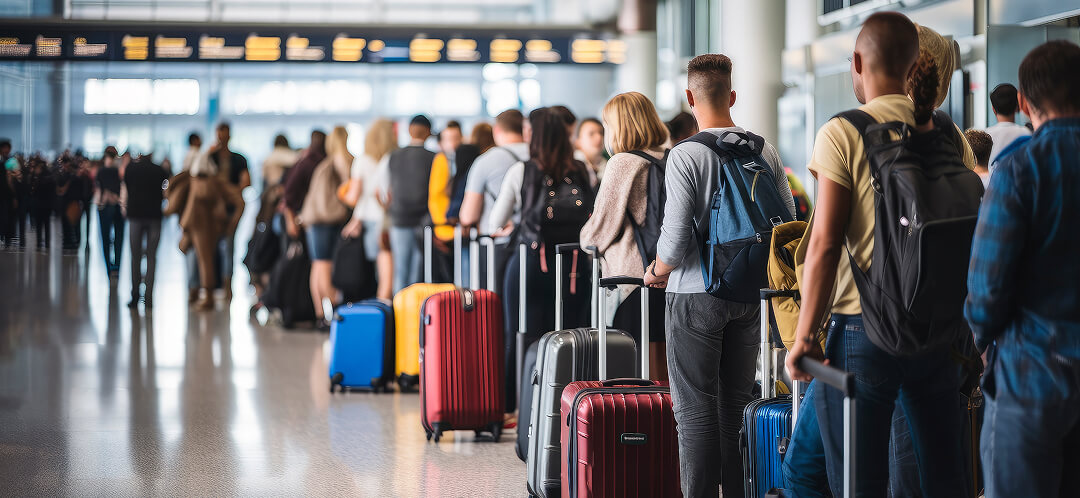
Fares often rise close to departure because late-booking travelers are usually less flexible and the lowest fares are already sold.
Vacation travelers often plan early, compare dates, and can walk away if prices look too high. People traveling for business or a certain family event usually have less freedom. A meeting, conference, or your cousin’s wedding can require a specific flight, even when the price is higher than expected.
Because of this, as travelers are less flexible, airlines become less willing to sell their remaining ticket inventory at the lowest fares as departure approaches.
This does not mean every flight automatically becomes more expensive closer to departure. Some flights remain relatively stable, especially if demand is weak. However, on routes with strong demand, airlines often protect remaining inventory for travelers who book later and are willing to pay higher prices.
That is why a ticket that costs $400 three months before departure may cost $800 a week before the flight. The seat did not change. The pool of potential buyers did.
This also explains why two travelers on the same flight can end up paying very different amounts. Almost everyone has experienced some version of this conversation:
“I paid $900 for my flight.”
“Really? I paid $450.”
As frustrating as it feels, your friend probably did not discover a secret booking trick. More often, they entered the airline’s pricing system at a different point in time.
They may have:
- booked earlier
- traveled one day sooner
- booked before demand increased
- flown from a different airport
- purchased before the flight moved into a higher price range
Small differences can create surprisingly large price gaps.

Do airlines really raise prices because you searched?
This is one of the most persistent travel myths.
Many travelers believe airlines track their searches and deliberately increase fares after repeated visits to the same route. The theory sounds plausible: search enough times, and the airline assumes you are highly interested. Hence, it raises prices.
In reality, there is little reliable evidence that repeated searches alone cause airlines to target individual users with higher fares.
What is far more likely is that pricing changed because:
- other travelers booked the tickets you were looking at
- lower fare levels became unavailable
- demand forecasts changed
- inventory availability shifted
Airline pricing systems are dynamic, and prices can change frequently. When those changes happen shortly after a traveler performs a search, it can feel personal.
However, most of the time, it is not. The fare was already moving based on factors affecting the broader market, not one individual search.
Can travelers improve their odds?
No traveler can predict airline pricing perfectly. Even airlines themselves constantly adjust their forecasts.
The goal is not to beat the system. It is to avoid entering it at the most expensive moment.
A few strategies can improve your chances of finding a better fare:
- Book before peak travel periods.
- Compare flights from nearby airports.
- Shift dates by a day or two when possible.
- Set price alerts. You can easily do it with Ovago.
- Compare different routes before buying.
Flexibility remains one of the most powerful tools available to travelers. Sometimes shifting a trip by a single day can produce meaningful savings.
Ovago can help you compare airlines, schedules, and route options before the fare you had in mind disappears from availability.
Travel farther without spending more
Explore affordable destinations that feel far more expensive than they actually are
Final thoughts
A fare jump can feel random, but there is almost always a logic behind it. Usually it comes down to one of two things: the lower-priced tickets have sold out, and only pricier buckets remain, or the airline’s pricing system has decided demand is running stronger than expected and adjusted accordingly.
That distinction is the whole reason airfare seems unpredictable, and why two people on the same flight, in the same cabin, can pay very different amounts. It usually reflects when they booked and what inventory was left at that moment.
So the next time a fare rises between two searches, it does not mean the flight or the seat changed. It means the cheap seats you were looking at are already spoken for, or the flight is filling faster than the airline planned.