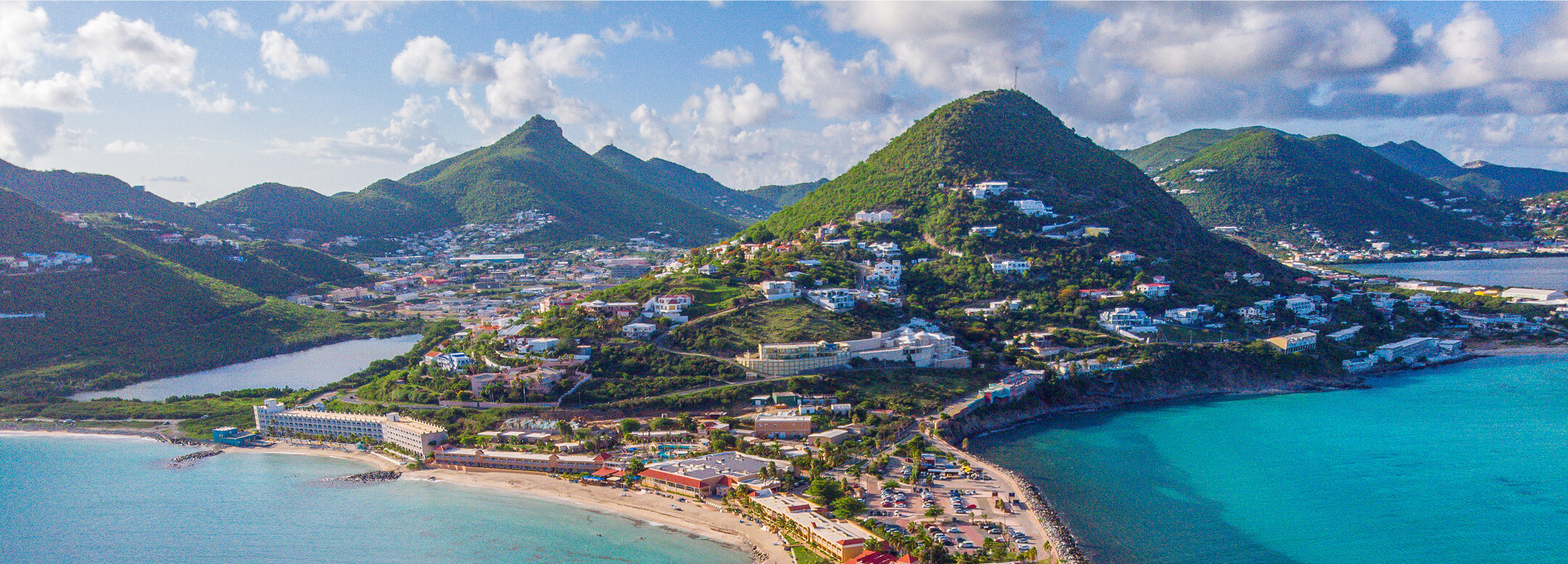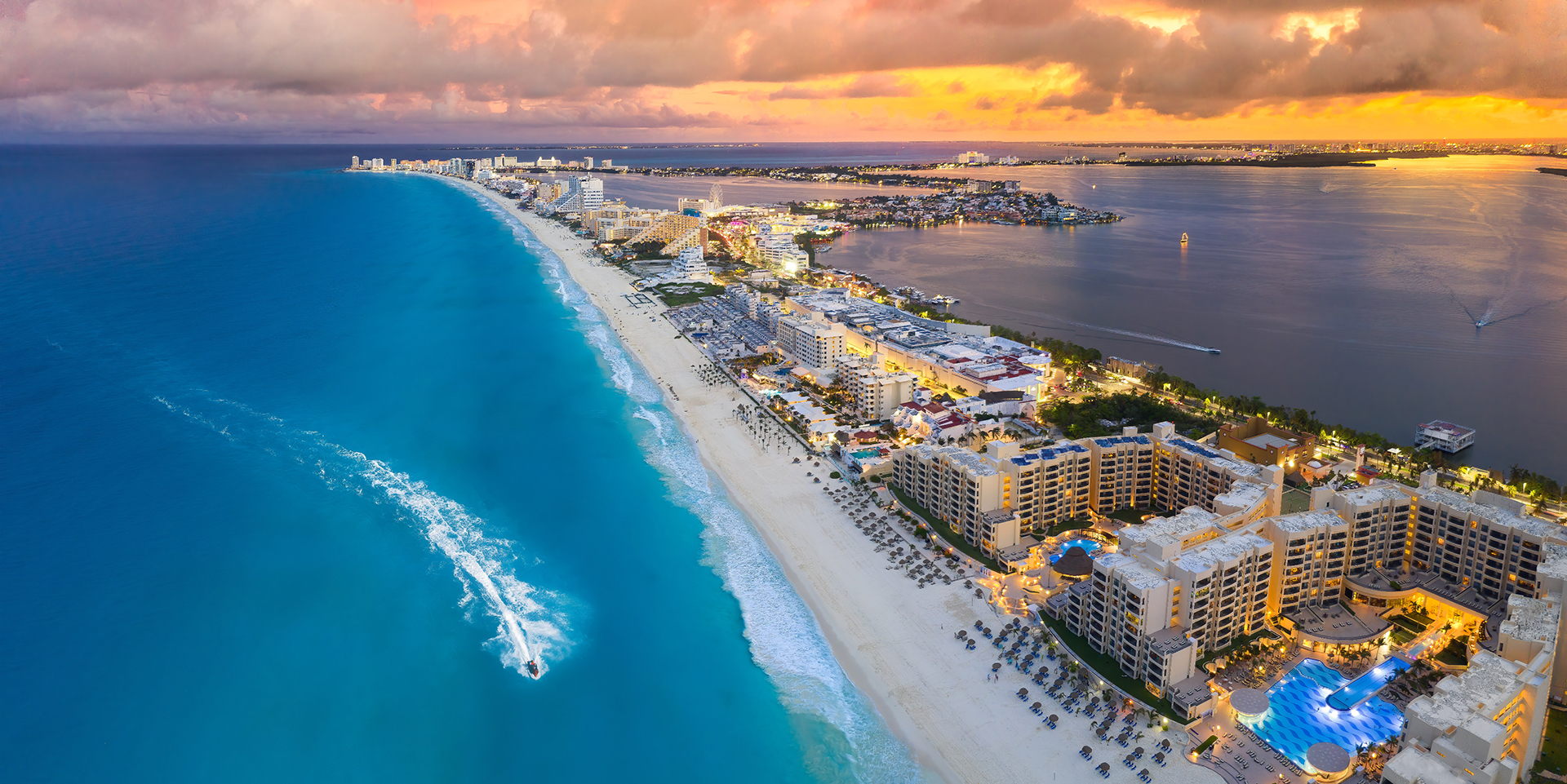

Some destinations start to feel expensive before you even check a single price. Places like the Amalfi Coast, Vienna, or Tulum appear often enough in travel content that they build a clear reputation. Stylish, polished, and seemingly out of reach unless you are willing to spend heavily.
Because of that, they tend to fall into a separate category. Interesting to look at, but not seriously considered when you start planning a trip. At the same time, that first impression rarely tells the full story.
In many cases, what you see is only a narrow slice of the destination, the part that gets the most attention. The rest works differently, and once you look a bit closer, that gap between perception and reality becomes hard to ignore.
Read in this article:
What actually makes a destination feel expensive
The first impression that you get from a destination comes from what you see right away. Central areas like beachfront zones, historic centers, and main boulevards are usually the most photographed parts of a destination. These areas are clean, well-maintained, and visually consistent, which makes them feel expensive.
Their location only reinforces that feeling. Coastal towns with sea views, cities known for grand architecture, or destinations built around scenic landscapes naturally feel more high-end, even if you are not paying for premium services. The setting itself creates that impression.
At the same time, ease of movement adds to that perception. When a destination is compact, well-connected, and easy to navigate, your experience feels smoother from the start. That level of convenience is often associated with higher-end travel, even when it does not increase your actual costs.
In other words, what feels expensive is not always tied to what you pay. It often comes from how the place looks, how it is organized, and how easily you can experience it.

Why some “expensive” destinations are more accessible than they seem
In most well-known destinations, prices vary by location. Higher prices tend to concentrate in central neighborhoods, beachfront zones, or the most recognizable parts of the city. Because space is limited and demand stays high, hotels in these areas are the most expensive.
However, once you move even a short distance away, the pattern changes. A nearby town or neighborhood, often just 20 to 40 minutes away, can offer significantly lower hotel rates while still giving you access to the same coastline, city center, or main attractions. In most cases, you are paying for location, not for a completely different experience.
Daily expenses follow a different pattern.
Even in destinations that look expensive, everyday costs usually stay closer to local price levels. This includes casual dining, coffee, groceries, and public transport. These services are part of daily local life, so their prices usually remain steady, even when hotel rates increase in high-demand areas. For example, you might pay $150–$250 per night for a hotel in a well-known part of a destination, but still spend $15–$20 on a full meal just a few streets away. Local buses or trains often are inexpensive as well, which helps keep your daily spending under control.
Flights are often more accessible than expected, too. Popular destinations attract more routes and more airline competition, which helps keep fares reasonable, especially if you can be flexible with your travel dates.
In practice, this means the total cost of a trip depends less on the destination itself and more on how you plan it.

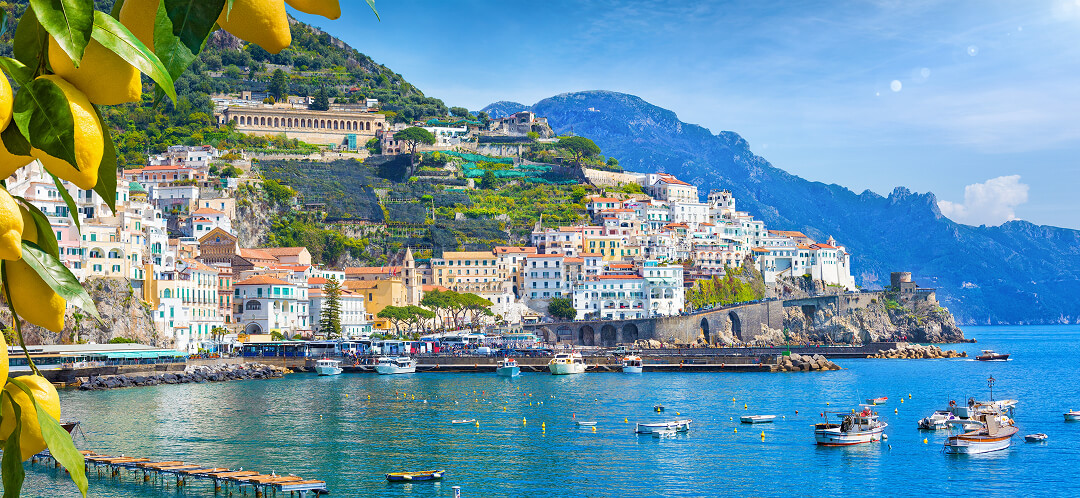
Amalfi Coast, Italy
The Amalfi Coast is often associated with high-end travel. Cliffside towns, sea views, and tightly packed architecture create a setting that feels polished and exclusive from the start.
Most of that image comes from a few high-demand areas. In towns like Positano, hotel prices often start at $300–$500, or more, per night in peak season due to limited space.
However, once you look at nearby locations like Salerno or Vietri sul Mare, you will find more accessible options. There, well-rated hotels cost in the $85–$180 range, depending on the season.
Flights into Naples (NAP) are widely available, with nonstop and one-stop options from major US cities and total travel times of roughly 9–15 hours. From Newark Liberty International Airport (EWR), for example, you can reach Naples on a nonstop flight with United Airlines that lasts approximately 9 hours and costs about $1,100 for August if booked several months in advance. From there, trains reach Salerno in under an hour, and ferries connect the main towns along the coast.
Tip: Stay in Salerno and visit Positano and Amalfi by ferry. You avoid the highest hotel prices while still being within easy reach of the coastline.
Madeira, Portugal
Madeira stands out for its scenery. Roads run along cliffs, with the ocean visible from much of the island, and the island itself combines mountains and coastline in a way that feels more like a high-end destination than a typical budget-friendly one.
Destinations with similar landscapes, such as coastal parts of Italy or Greece, usually come with higher daily costs. In Madeira, prices stay closer to mainland Portugal.
In Funchal, well-rated hotels and apartments are often available in the $90–$180 range, depending on the season and the exact location. Meals in local restaurants typically cost about $15–$20, and public buses or car rentals make it easy to get around without high costs.
Many of the island’s main highlights are free to access. You can go for coastal drives, viewpoints, and hiking trails, which are easy to reach.
To reach Madeira, you will have to fly to Madeira Airport (FNC). For example, if you fly from Boston Logan International Airport (BOS) with Tap Air Portugal via Humberto Delgado Airport (LIS), you will arrive in Portugal in roughly 10 hours. Such a flight costs approximately $900 for May and $1,200 for August. For peak dates in the middle of summer, the prices can rise to $2,200.
Tip: Stay near Funchal and rent a car for a few days. You can reach most viewpoints and hiking areas on your own without paying for tours.

Plan a trip that feels premium without overspending
Explore flight options to places that feel premium but remain accessible when planned carefully
Riviera Maya, Mexico
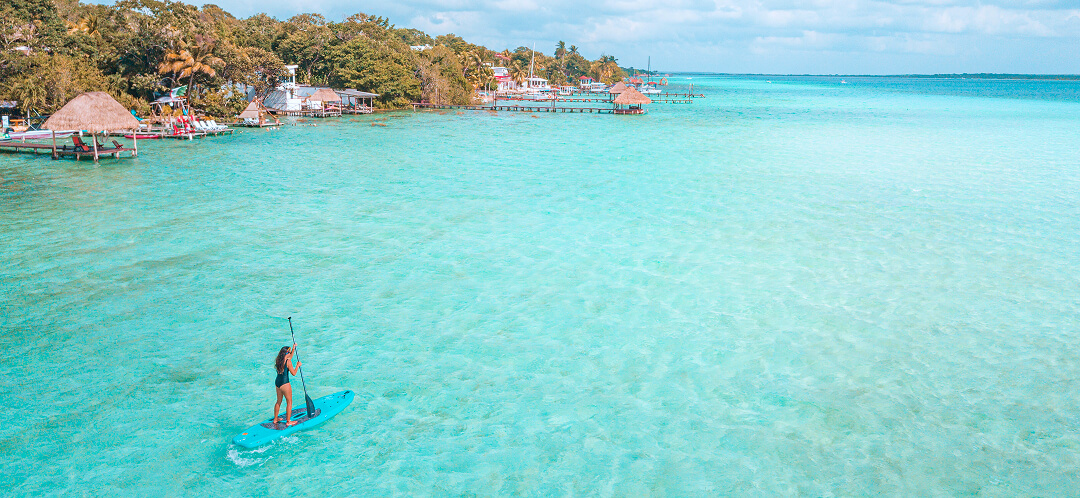
A similar pricing pattern appears in destinations closer to the US. The Riviera Maya is often associated with high-end beach travel, mostly because of Tulum’s beachfront hotels, where you will find rooms that sit directly on the sand.
Pricing varies widely in this area. High-end beachfront hotels typically range from $170–$500 per night or more, depending on the season and property. At the same time, simpler beachfront stays can fall closer to $50–$150, offering direct access to the same coastline at a lower cost.
A few miles inland, in Tulum town, the accommodation becomes even more accessible, with basic options starting at $30 per night.
You have a wide range of flights from the US to Cancun (CUN), the main arrival point. From Hartsfield-Jackson Atlanta International Airport (ATL), for instance, airlines such as Frontier and Delta Air Lines operate nonstop flights that last roughly 3 hours. From May through October, prices for such tickets range from $300 to $800, with last-minute tickets usually falling toward the higher end of that range.
From Los Angeles International Airport (LAX) on the West Coast, you can fly nonstop with United Airlines or American Airlines, with flights lasting approximately 5 hours and costing from $500 to $700.
From Cancun, you can reach Tulum in about 1.5 to 2 hours by car. Buses and shared shuttles run regularly, so getting there does not require expensive transfers.
Tip: Stay in Tulum town and take short trips to the beach. This way, you can stay outside the beachfront zone, visit it when you want, and avoid paying premium rates for every night of your trip.
Vienna, Austria
Vienna is known for its grand architecture and walkable city layout. Buildings like St. Stephen’s Cathedral, the Hofburg, and the State Opera create a setting that feels expensive from the moment you arrive.
However, you do not need to spend much to experience that. Most of the city’s main landmarks can be seen from the outside at no cost. You can walk through the historic center, spend time in public squares, and move along the main boulevards without paying for anything.
Getting around Vienna is simple. The public transport system covers the entire city, and with a day pass, you have unlimited travel on trains, trams, and buses for a low fixed price.
Here, hotel prices are more stable than in cities like Paris or London, which makes Vienna easier to visit without constant cost adjustments. Well-rated hotels are often available in the $100–$220 range, depending on location and season.
Flights to Vienna (VIE) from the US usually involve one layover. From John F. Kennedy International Airport (JFK), you can get there with Air Canada on a flight that lasts approximately 13 hours. Prices for flights in June through August range from $1,000 up to $1,600.
Tip: Plan your route around tram lines rather than taxis. Vienna’s tram network runs through most central areas, which helps you save on transport costs.

How to choose a destination that feels premium without overspending
These steps show how to identify where costs are highest and how to avoid them.
- Identify the most expensive area first. Check hotel prices in the main tourist zone (for example, beachfront, city center, or historic district). This shows where prices are highest.
- Compare with a nearby alternative. Look at hotel prices 10–30 minutes away from that area. When you see prices go down, you are on the right track.
- Check real daily costs. Look up the price of a standard restaurant meal, a coffee, and local transport. If meals cost about $15–$20 and transport is low-cost, daily spending will be manageable.
- Check flight availability. Look for flights from your departure city. If you see multiple flights per day and several airlines on the route, pricing is more likely to stay stable.
- Check how you will move around. Verify if the destination has public transport, short taxi rides, or walkable areas. If you need long private transfers, your total cost will increase.
A smarter way to plan
Planning a trip becomes much easier when you look at where costs actually concentrate instead of what a place looks like from the outside.
At Ovago, that same approach guides how we help you plan your trip. From identifying better flight options to finding routes with more stable pricing, the goal is to make decisions clearer from the start. If you need support, our travel advisors are ready to guide you through your options and help you plan with confidence.