
Solo travel can be freeing, but for women, safety often decides which destinations make the shortlist. The question is not only “Is this country safe?” It is also: can you use public transport, explore after dark, and enjoy the trip without constantly second-checking every decision?
For this guide, we used established safety indexes, including the Global Peace Index from the Institute for Economics and Peace as of mid-2026. We also looked beyond the rankings at the details that shape an actual trip: reliable transport, walkable cities, tourism infrastructure, harassment risk, and how easy it is to move around independently.
The countries below combine strong safety records with the kind of day-to-day convenience that makes solo travel feel less like a logistics exam.
- Japan
- Iceland
- Switzerland
- Singapore
- Austria
Read in this article:
What makes a country safe for solo female travelers?
Before getting into each destination, it helps to define what “safe” actually means for a solo trip. Low crime matters, but it is only one part of the picture. The safest countries for solo female travelers, including the ones from this guide, usually share a few practical traits:
- low violent crime
- stable politics
- reliable public transport
- strong tourism infrastructure
- high public trust
- clear emergency support
- cultures where harassment is less common
This combination shapes the small but important parts of a trip: walking back from dinner, taking a train alone, asking for help, or exploring without feeling on edge.
Iceland
If one country consistently appears at the top of global safety rankings, it is Iceland. According to the Global Peace Index, Iceland has remained the safest country in the world for 15 consecutive years.
For solo female travelers, that ranking translates into something practical: you can spend less time thinking about basic safety and more time planning the route. Iceland has extremely low crime rates, a high standard of living, strong social trust, and little tension between social or economic groups. It also has no standing military, and police officers do not routinely carry firearms.
Of course, you do not fly to Iceland just to admire its statistics. The country is especially strong for solo travelers who enjoy nature, open space, and want a trip that feels adventurous without feeling chaotic.
Some of the attractions Iceland can offer:
- Reykjavík’s cafés, museums, and colorful streets
- the Ring Road
- geothermal lagoons
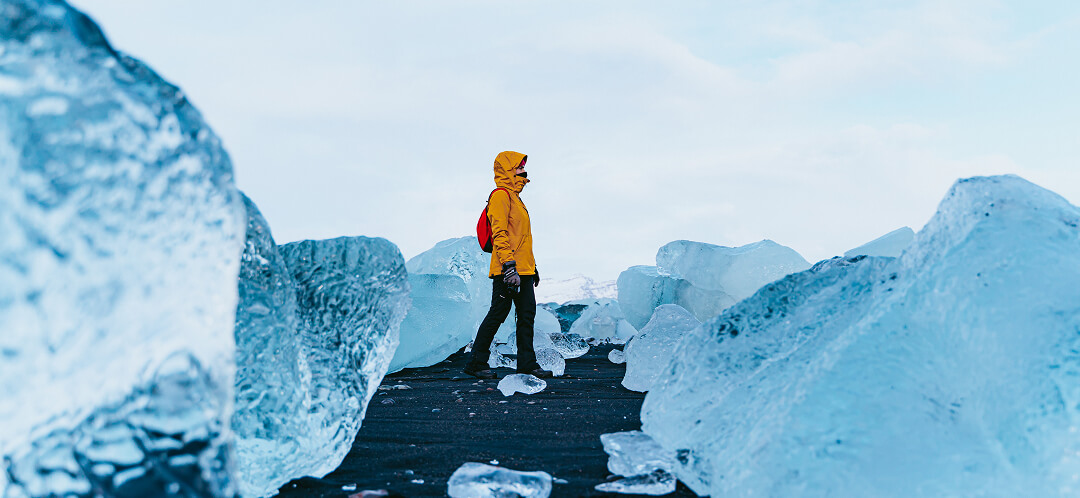
- black-sand beaches
- waterfalls
- Northern Lights viewing in winter
On most days, the biggest risk is pulling over every ten minutes because the scenery keeps demanding another photo.
Typical daily costs: roughly $150–$250 for budget travel, especially with car rental or tours, and $250–$400 or more for a mid-range trip with hotels, transportation, food, and activities included.
Japan
Japan consistently ranks among the safest countries in the world. In the current 2026 Global Peace Index, Japan sits in 10th place, supported by low crime rates, minimal internal conflict, strong public order, and limited access to firearms.
For solo female travelers, those rankings show up in practical ways: reliable trains, clear city navigation, respect for personal space, strict firearm controls, women-only train cars on many Tokyo and Osaka lines during weekday rush hours, and major tourist areas that are easy to explore alone.
Japan’s city safety record supports that broader picture. Tokyo has even ranked as the safest city in the world in the Economist Intelligence Unit’s 2019 Safe Cities Index, getting especially high scores for cybersecurity, health security, infrastructure, and personal security. And it remains among the safest in 2026 as well.
One of Japan’s strengths, besides safety, is the variety it offers within a single trip:
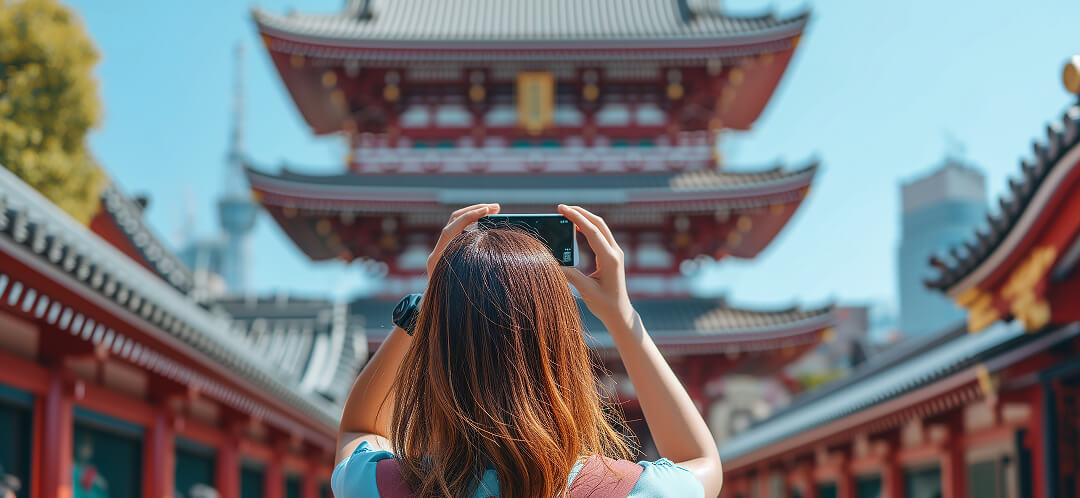
- Tokyo: Nightlife, Harajuku shopping, museums, and food halls work well when you want variety without needing a group plan for every outing.
- Kyoto: Temples, traditional inns, gardens, and easy day trips give solo travelers a calmer, more historic side of Japan.
- Osaka: Dotonbori, street food, and a more relaxed city energy make it ideal if your travel personality is “deeply committed to snacks.”
The point is that Japan lets you change pace whenever you feel like it: a packed morning and a slow afternoon, no itinerary required.
Typical daily costs: $70–$120 for careful budget travel, or $200–$300 for a mid-range trip with hotels, rail travel, and sit-down meals.
Switzerland
Switzerland holds the third place in the current 2026 Global Peace Index, supported by long-standing neutrality, political stability, and strong public institutions.
For solo female travelers, Switzerland’s biggest advantage is how easy it is to travel independently. Its punctual and far-reaching trains, calm and well-kept cities, very low violent crime, and tourism infrastructure are solid enough to make independent travel almost effortless.
Switzerland is an excellent trip choice for scenic train journeys, walkable cities, lakefront stays, mountain day trips, and independent multi-city itineraries. The easiest way to plan it is around a few strong bases:
- Zurich: Historic streets, lakeside views, museums, and café culture make it easy to wander without a strict plan.
- Geneva: International landmarks, lakefront walks, and institutions like the United Nations and Red Cross give the city a polished, global feel.
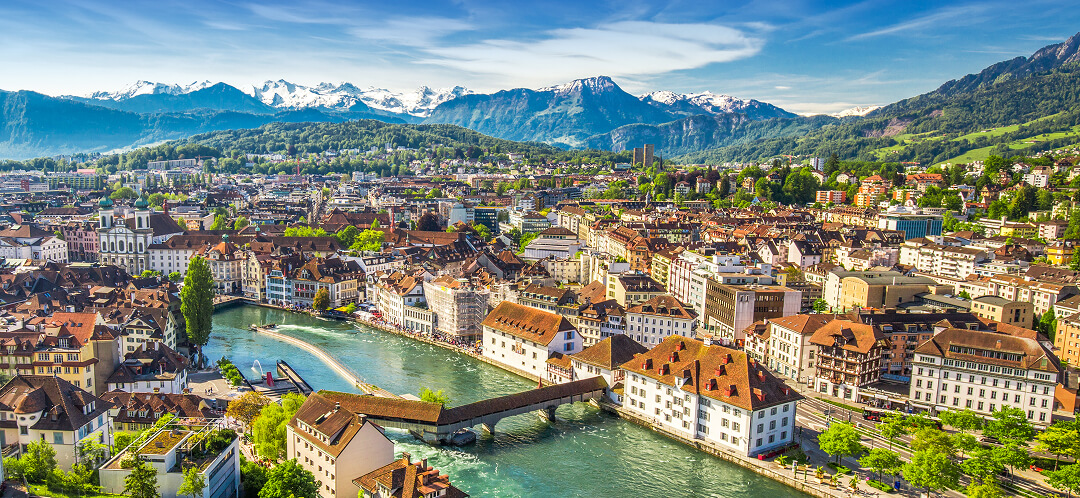
- Lucerne: A good base for old-town charm, lake views, and easy access to nearby mountain scenery.
- Interlaken: Best for Alpine day trips, adventure activities, and some of Switzerland’s most dramatic landscapes.
You can spend the morning in Zurich’s Old Town and reach Alpine views by lunchtime. The trains will probably be on time too, because Switzerland has a reputation to protect.
Typical daily costs: around $120–$200 for a tighter budget, or $250–$400 for central hotels, train travel, and restaurant meals.
Singapore
Singapore ranks eighth in the current 2026 Global Peace Index and continues to perform well across multiple safety studies. In a Gallup survey, residents reported one of the highest senses of personal security in the world, while the Economist Intelligence Unit’s Safe Cities Index ranked Singapore as the world’s second-safest city. It also placed first for infrastructure security and personal security.
Singapore is one of the few major cities where walking back to a hotel at 2 am barely registers as a decision. Violent crime is rare, the MRT subway is clean and runs late, and neighborhoods stay busy and well-lit well into the night. Much of that comes down to strict laws, consistent enforcement, and tight firearm controls.
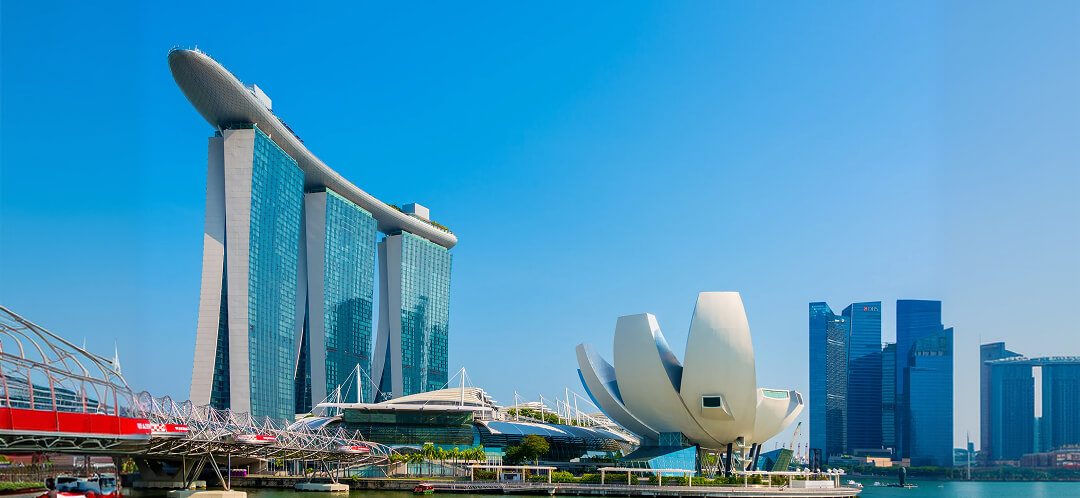
Singapore is compact, but there is no shortage of things to do. You can start with Gardens by the Bay, walk through Chinatown and Little India, then end the day with skyline views from Marina Bay. Hawker centers are another highlight, offering some of the city’s best food without requiring a restaurant-sized budget.
Convenience is one of Singapore’s strongest advantages. English is widely spoken, public transportation is excellent, and major attractions are easy to reach without a car or guided tour. It is the kind of place where getting lost rarely lasts more than five minutes before a sign, train station, or helpful local points you in the right direction.
Typical daily costs: about $80–$150 if you use public transport and eat at hawker centers, or $180–$300 with hotel stays and more restaurant meals included.
Austria
Austria ranks sixth in the current 2026 Global Peace Index, placing it among the world’s safest countries. Serious and violent crime are both uncommon, and most visitor concerns come down to standard tourist annoyances like pickpocketing in crowded areas.
For solo female travelers, the day-to-day experience is easy to manage alone. Cities are walkable, rail connections between them are simple, and English is widely spoken across major tourist areas, so moving between hotels, stations, museums, and restaurants requires no tour group and little planning. Vienna stands out in particular, regularly ranking among the world’s most livable cities for its infrastructure, public services, and quality of life.
Austria also gives solo travelers plenty to do without complicated planning:
- Vienna for palaces, museums, classical music, and café culture
- Salzburg for baroque streets and mountain views
- Innsbruck for Alpine scenery close to the city
- Scenic train routes between major stops
It delivers the cultural attractions of a major European destination without making every day feel like a logistics puzzle. A palace in the morning, mountain views in the afternoon, and coffee somewhere elegant in between? Very Austrian, honestly.
Typical daily costs: roughly $90–$140 for budget travel, or $170–$280 for a mid-range trip with accommodation, meals, and train travel included.
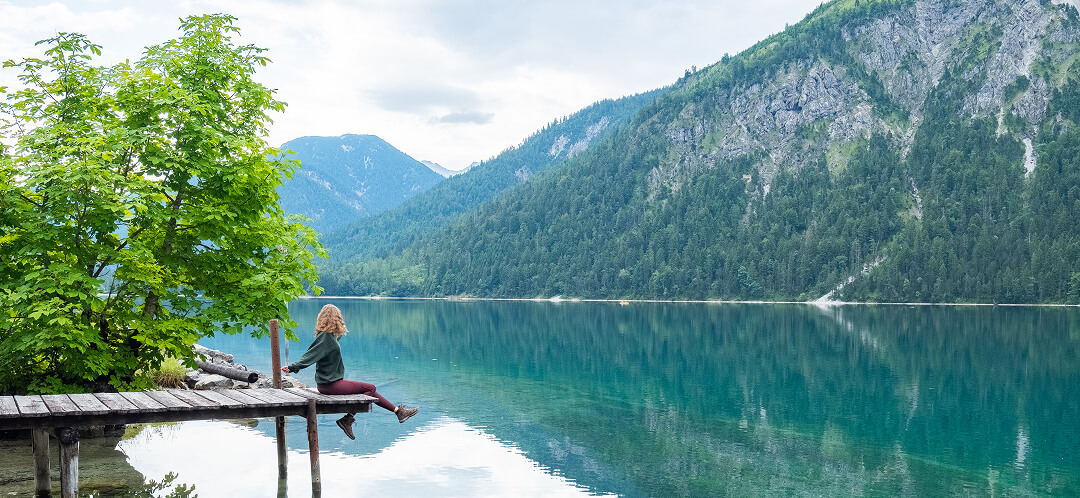
Ready for your next solo adventure?
Explore affordable destinations you can fly to from the US
Final thoughts
Safety is often the first filter for women planning a solo trip. Choosing a destination with low crime rates, reliable transportation, and strong tourism infrastructure can make the whole trip feel easier.
That said, no country is completely risk-free. Even in the safest destinations, it is still worth following basic precautions, staying aware of your surroundings, keeping friends or family updated on your plans, and trusting your instincts when something does not feel right.
The good news is that solo female travel has never been more accessible. Countries like Iceland, Japan, Switzerland, Singapore, and Austria make it easier to focus less on safety concerns and more on the reason you traveled in the first place.
If you are ready to start planning, Ovago can help you compare flights, choose routes that fit your schedule, and book a trip that feels both exciting and manageable.
After all, the best souvenir from a solo trip is not just the photos or the passport stamps. It is the confidence that comes from realizing you handled the trip on your own, and actually enjoyed every minute of it.