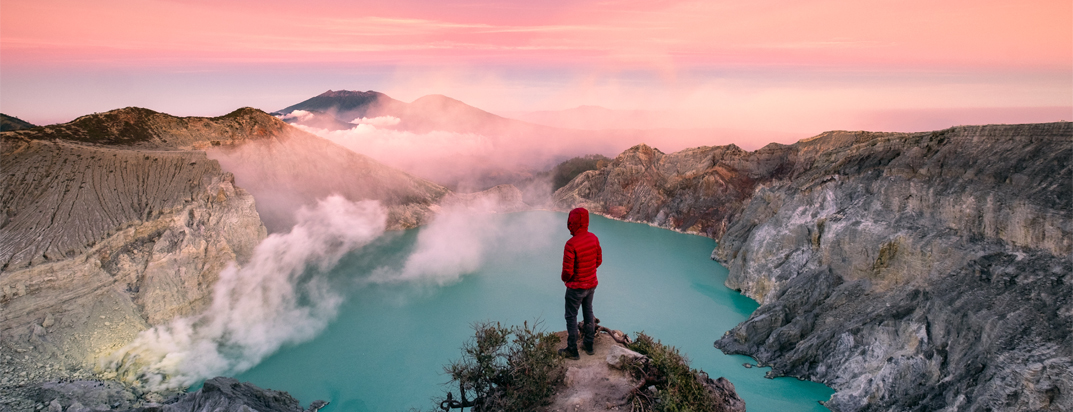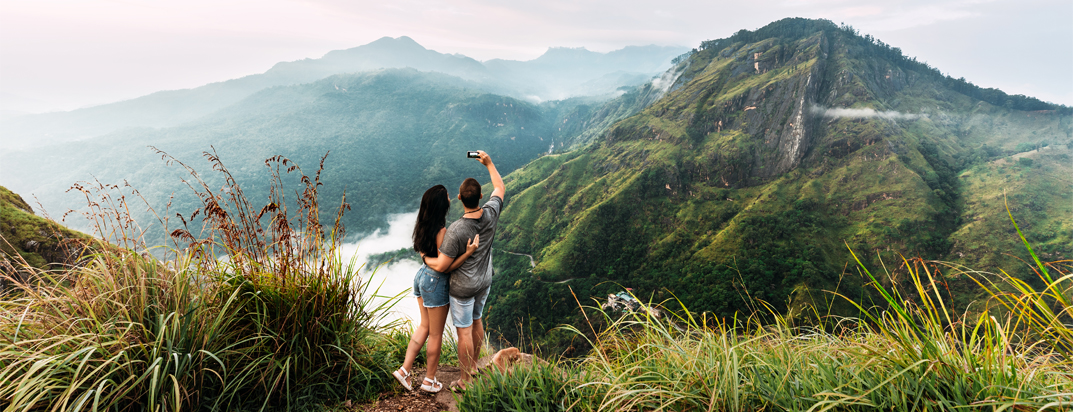

James Taylor planted the first commercial tea estate in Sri Lanka in 1867. His innovation laid the foundation for what became a global tea giant. Now, Sri Lanka (often celebrated as the home of Ceylon tea) offers a rich, immersive experience for travelers interested in exploring scenic highland estates and the vibrant culture that surrounds one of the world’s favorite beverages.
Below, you’ll find helpful information about the tea plantation tours, approximate costs, and fascinating facts that make Sri Lankan tea distinct. Seek out more unique destinations to add to your travel list.
Read in this article:
Escape to Sri Lanka’s Green Hills
Let Ovago take you straight into the heart of tea country at unbeatable fares.
Overview of Sri Lankan Tea and Its History
Tea was first introduced to Sri Lanka by the British in the 19th century. After a devastating coffee blight, tea became the island’s primary crop. “Ceylon tea” quickly gained global recognition for its high quality.
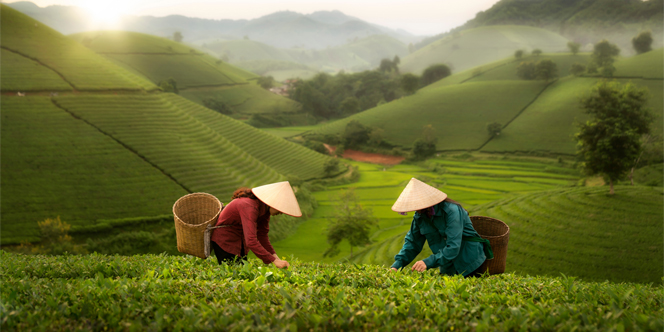
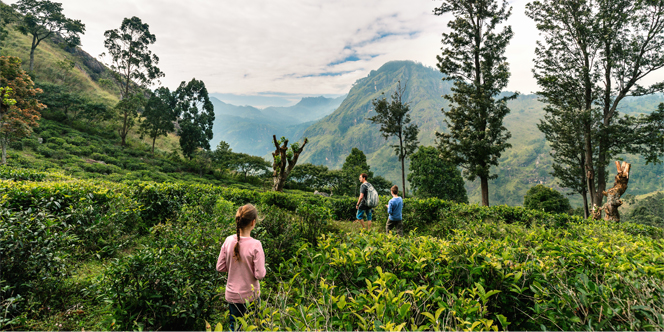
Tea plantations are mainly in the central highlands around Nuwara Eliya, Kandy, Ella, and Haputale, where the cooler temperatures, rainfall, and misty hillsides create perfect growing conditions.
Sri Lankan tea comes in many varieties—black tea is the most famous, but green and white teas are also produced. Different altitudes yield distinct flavors: high-grown teas are lighter and more delicate, while lower elevations produce stronger, full-bodied teas.
What to Expect on a Plantation Tour
- Guided Walk Through the Tea Fields: Learn how tea is cultivated and harvested. Some tours let you try your hand at picking a few leaves alongside experienced tea pluckers.
- Factory Visit: Observe how freshly plucked leaves are withered, rolled, fermented (for black tea), and dried. Guides often explain grading systems (e.g., Orange Pekoe and Broken Orange Pekoe).
- Tasting Session: Sample multiple varieties of tea, from robust black teas to delicate white teas. Many estates include tasting as part of their standard tour package.
- Insight into Local Life: Beyond the fields and factories, you’ll get a glimpse of the region’s culture, daily routines of workers, and the history behind each estate.
Pro Tip: Visit a working plantation like Pedro Estate or Lipton’s Seat (where Sir Thomas Lipton sipped his first Ceylon tea) for free tastings and epic mountain views.
How to Fly from the US to Sri Lanka… Without Going Broke
Flights from the US to Colombo (CMB) can be pricey, but Ovago makes it easier to snag deals. Here’s the tea:
- Track Prices Early: Use flight aggregators like Ovago to compare airlines like Emirates, Qatar, or Singapore Airways. Set alerts for price drops—off-season (May–July) is cheaper!
- Go Indirect: Fly into nearby hubs (Dubai, Doha) first. Round-trip fares from NYC often dip below $800 if you book 3–6 months ahead.
- Bundle Up: Ovago sometimes offers flight + hotel packages—perfect if you’re hitting Colombo AND the hill country.
Typical Sri Lankan Tea Plantation Tour Prices
- Basic Plantation Tour: Around $10 – $15 per person. These shorter tours may include a walkthrough and a small tasting session.
- Mid-Range Tour: Ranging from $20 – $30, you’ll get a longer guided tour with a more extensive tasting, sometimes combined with a scenic viewpoint or a light meal at the estate’s tea lounge.
- Premium or Private Experience: Costs can go from $40 – $60 or more per person. These usually offer personalized tours with in-depth explanations, hands-on tea-picking lessons, premium tastings, or even high tea service overlooking the plantation.
Tip: Some hotels and travel agencies in Kandy or Ella organize day trips to multiple plantations, with prices typically between $25 – $50 (depending on group size, inclusions, and transport).
Tips for Planning Your Tour
- When to Visit: The central highlands can be visited year-round, though January to April often brings drier weather and scenic views. Expect occasional rain in tea country regardless of season.
- Local Transport: Buses and trains are ultra-cheap. Tuk-tuks work for short rides—bargain hard!
- Eat Like a Local: Skip fancy cafes. $2 roti or kottu from street stalls hit harder.
- What to Wear: You’ll be walking through hilly terrain, so comfortable shoes are a must. Bring a light jacket or sweater; mornings and evenings can be chilly.
- Stay Hydrated: Ironically, after sipping hot tea, remember to drink water to stay hydrated—particularly if you’re spending time outdoors in the fields.
- Support Local Communities: Many estates support local livelihoods. Purchasing tea directly from the plantations, enjoying a meal at the estate café, or tipping your local guide goes a long way in supporting the community.
- Ovago Bonus: Use Ovago’s “flexible dates” feature to score cheaper flights if your schedule’s open.
Must-Do Experiences (Beyond the Tea Cup)
- Train Ride Through Heaven: The Kandy-to-Ella train cuts through misty plantations—reserve a window seat for ₹1,400 ($4)!
- Stay in a Colonial Bungalow: Many estates rent heritage homes (check out Heritance Tea Factory Hotel—it’s a literal converted factory!).
- Hike Horton Plains: Trek to World’s End cliff for sunrise, then refuel with… you guessed it, tea.
Read also: How to Decode Online Economy Booking Reviews
Interesting Facts About Sri Lankan Tea
Altitude Matters: Tea grown above 4,000 feet (about 1,220 m) is classified as “high-grown,” typically noted for a bright infusion and distinct floral notes.
One of the Top Tea Exporters: Sri Lanka consistently ranks among the world’s largest tea exporters, sending millions of kilograms of tea to global markets annually.
Handpicked Tradition: Tea leaves in Sri Lanka are still largely plucked by hand to ensure only the top two leaves and bud are harvested—this meticulous process helps maintain quality.
White Tea Legend: Sometimes called “Silver Tips,” white tea in Sri Lanka is still picked gently and processed minimally, resulting in subtle flavors and a higher price tag.
Final Thoughts
Embrace the misty hills, learn about century-old traditions, and sip world-class teas straight from the source—you’ll soon understand why Sri Lanka’s tea heritage is revered worldwide. And with prices ranging from $10 for a simple tour to $60 or more for a premium package, there are options for every travel budget.
Sri Lanka’s tea country is equal parts serene and adventurous. Book flights early with Ovago, pack layers (mornings are chilly!), and leave room in your suitcase for cinnamon-and-orange-pekeoe souvenirs.