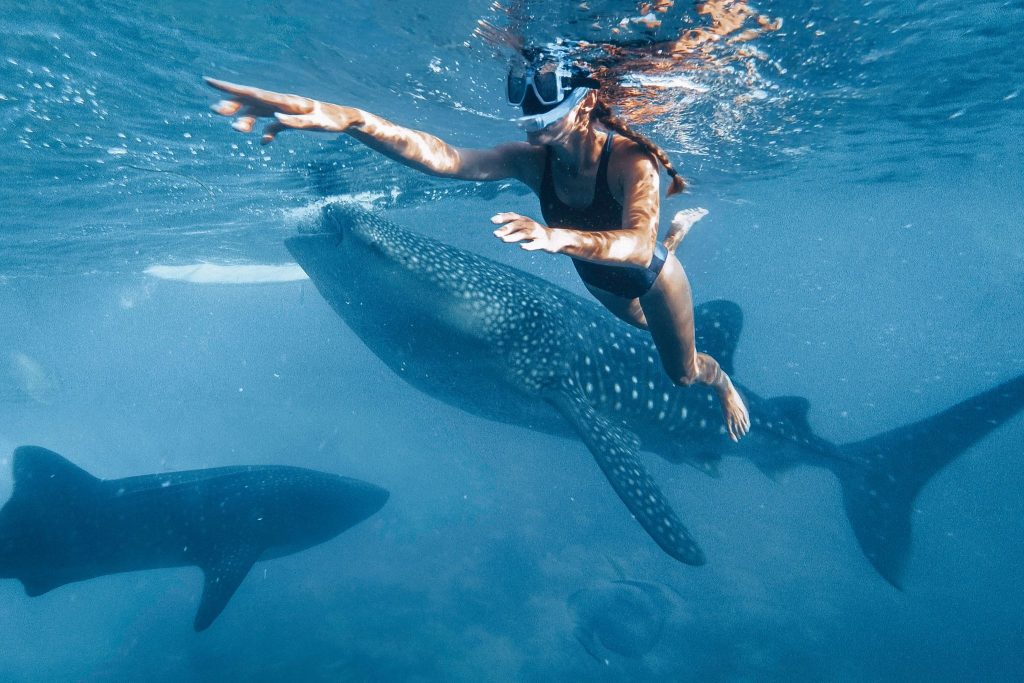
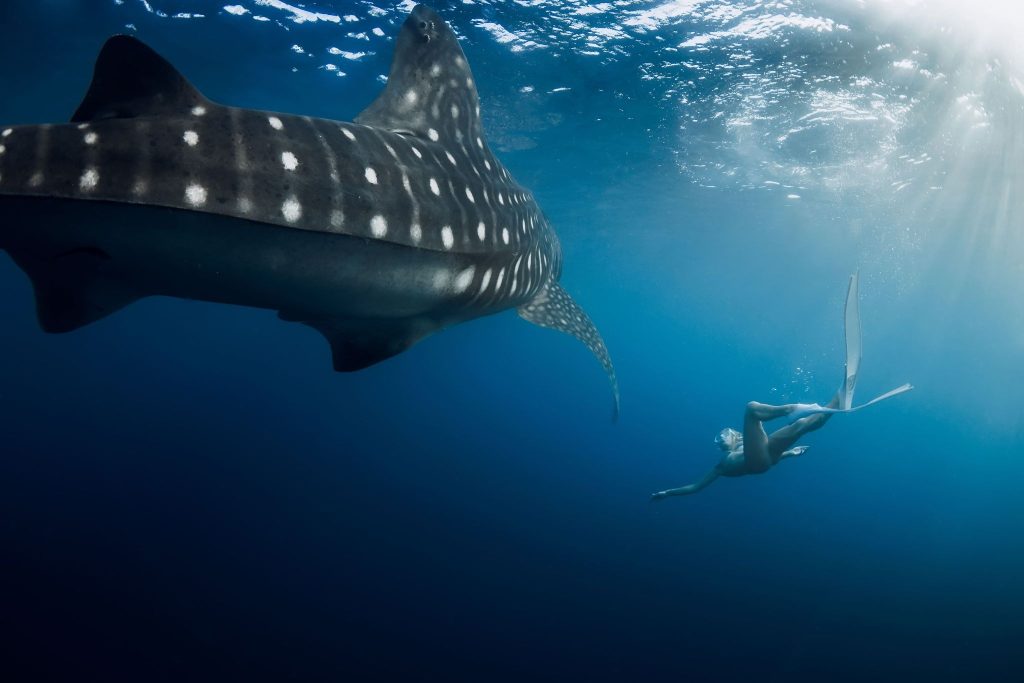
Did you know whale sharks are the largest fish in the world? They can grow up to 40 feet (12 meters) long, about the size of a city bus. Yet they feed only on plankton. No hunting. No aggression. Just slow, steady giants moving through open blue water.
If you’ve ever dreamed of swimming with whale sharks, Isla Holbox is one of the best places to do it. During whale shark season in Isla Holbox, dozens, sometimes more than 100, gather off the Yucatán coast, drawn by rich plankton blooms. It’s one of the largest seasonal aggregations in the world and a true paradise for sea wildlife lovers.
In this guide, you’ll learn the best time to visit during whale shark season, how to get to Isla Holbox from the US, and how to fully enjoy the experience. Dive in. Those wide, gentle fins are waiting. Explore unique places worth adding to your bucket list.
Read in this article:
Whale shark season in Isla Holbox: when to go
Whale shark season in Isla Holbox typically runs from June through September, when plankton blooms draw these gentle giants to the waters north of the Yucatán Peninsula. But timing matters.
What months are whale sharks in Holbox?
June marks the beginning of the season. Sightings are possible, though numbers can still be inconsistent as the migration builds. Seas are generally calm, and tours feel slightly less crowded.
July and August are the peak months. This is when the largest aggregations gather. If your goal is the highest chance of swimming alongside them, this is your window.
Is July or August better?
They’re very similar in terms of shark numbers. July often feels slightly less busy at the very start of peak season, while August can bring warmer water and more tour activity. If flexibility allows, early July or late August can offer a strong balance between sightings and crowd levels.
September can still be rewarding, especially early in the month. Numbers may begin to thin as the season winds down, but the experience remains impressive.
Weather and water conditions
Summer in Holbox is warm and humid. Expect air temperatures in the high 80s to low 90s °F (around 30–34 °C). The Caribbean waters are warm, typically in the low to mid-80s °F (27–29 °C), so a wetsuit is often optional.
The sea is open and deep rather than reef-calm. Visibility can vary depending on plankton levels, but tours operate in generally stable summer conditions. Morning departures are common, as waters tend to be calmer earlier in the day.
If you’re planning to swim with whale sharks in Isla Holbox, aim for the heart of summer. That’s when the ocean feels most alive and when your chances are strongest.
Did you know?: Each whale shark has a unique pattern of white spots, much like a human fingerprint. Researchers use these markings to identify and track individual sharks as they migrate across the oceans.
Next in this series: Catatumbo Lightning Travel Guide
How to get to Isla Holbox from Cancun (step-by-step guide)
Reaching Holbox from Cancun is easier than it looks. The journey combines a scenic drive and a short ferry ride, turning travel into part of the experience.
Step 1: Cancun Airport to Chiquilá
The first leg of your trip is from Cancun International Airport to Chiquilá, the small port town where ferries depart for Holbox. The drive covers about 2 to 2.5 hours, depending on traffic.
You have three main transport options:
- ADO Bus – around $30 per person. Budget-friendly and reliable.
- Taxi – approximately $165 total.
- Private airport transfer – around $185 for door-to-door service.
If you’re traveling solo or as a couple, the bus is the most economical choice. Families or groups often prefer a private transfer for comfort and convenience.
Step 2: Ferry to Holbox
From Chiquilá, ferries depart roughly every hour between 6:30 am and 9:30 pm. The ride takes about 20 to 30 minutes.
- Ferry ticket: around $20 per person
- Operators like Holbox Express run frequent daily departures
Within half an hour, you’ll arrive on an island with sandy streets and golf carts instead of cars.
Total travel time and cost
Expect the full journey from Cancun to Isla Holbox to take about 3 to 4 hours door to door.
Estimated total cost per person:
- Bus + ferry: around $50
- Taxi + ferry (split between two): around $100–$110 each
- Private transfer + ferry (for a couple): similar range depending on group size
Getting to Cancun from the US
Many travelers combine Holbox with a direct flight to Cancun. As of late winter 2026, July round-trip fares start around:
- New York (JFK): from $620
- Miami: from $400
- Chicago: from $450
- Dallas: from $470
- Los Angeles: from $335
Flight prices are volatile and can shift quickly. Our website price forecasting tool suggests fares may soften closer to early spring 2026, so it’s worth setting a price alert to monitor deals.
From the runway to ferry dock, the journey flows smoothly. A few hours after landing in Cancun, you’ll be stepping off a boat onto Holbox’s quiet shores, ready for whale shark season to begin.
Ovago keeps a steady flow of flight deals to Cancun.
Set a price alert and enjoy 24/7 human support, flexible payment options, and group travel assistance.
How whale shark tours in Holbox work
A typical whale shark tour in Isla Holbox starts early. Most boats leave between 7:00 and 9:00 am, when sea conditions are calmer and sightings are more consistent. You’ll head north into open Caribbean waters, where plankton draws the sharks each summer.
Regulations limit how many swimmers enter the water at once. Typically, only two people plus the guide are allowed in the water per turn. This keeps the experience controlled and reduces stress on the animals.
How long the tour lasts
Expect the full outing to take 4 to 6 hours, depending on sea conditions and how far the sharks are that day. The actual swimming moments are shorter and repeated in turns. You’ll enter the water for brief sessions, swim alongside the shark, then return to the boat while others take their turn. Many tours also include a stop for snorkeling near a reef or sandbank on the way back.
Swimming rules
Mexico strictly regulates whale shark encounters. The rules are clear:
- No touching the sharks
- Keep a respectful distance
- Enter the water calmly, no jumping
- Follow your guide at all times
- Use reef-safe sunscreen only
These guidelines protect both swimmers and wildlife.
The rhythm of the tour feels unhurried. You scan the horizon, slip quietly into the water, and suddenly a spotted giant glides past. It’s brief, powerful, and surprisingly peaceful — a moment that makes the journey to Holbox worthwhile.
Did you know? You don’t actually dive with whale sharks, you snorkel. They feed near the surface, which means no scuba certification is required, and beginners can join as long as they’re comfortable swimmers.
Next in this series: Nazaré Giant Waves Travel Guide
How much does a whale shark tour cost in Holbox?
Depending on the operator, season, and group size, the typical Isla Holbox whale shark tour price ranges from $200 to $250 per person. Rates may increase slightly in peak months like July and August, when demand is highest. Most tours operate with 6 to 10 passengers per boat.
What’s included
Most tours at this price point cover:
- Licensed local guide and captain
- Boat transport to the whale shark area
- Snorkeling equipment (mask, snorkel, fins, life jacket)
- Light refreshments such as sodas and sandwiches
- A simple lunch, often fresh fish ceviche
- Pickup from your hotel or a central meeting point in Holbox
What’s not included
There are a few extras to keep in mind:
- Marine park or conservation fee (sometimes charged separately)
- Gratuities for crew
- Professional photos
- Wetsuit rental, if desired
Always confirm whether pickup and drop-off are included, as policies can differ slightly between operators.
Next in this series: How to Visit China’s Avatar Mountains
Is it safe to swim with whale sharks?
That’s one of the most common questions. In regulated locations like Isla Holbox, the answer is generally reassuring.
Are whale sharks dangerous?
Despite their size, whale sharks are not aggressive. They are filter feeders that consume plankton and small organisms. They do not hunt large fish and have no interest in humans. Encounters are calm, controlled, and supervised by licensed guides. That said, this is still an open ocean. Conditions can vary, and participants need to be comfortable in deep water.
Did you know? Whale sharks may look slow, but they move steadily and often faster than you expect. You slip into the water for a brief swim alongside them before returning to the boat. And while the open sea can be deep blue and slightly murky, that first glimpse of a 30-foot spotted giant gliding beneath you is pure adrenaline.
Plan smarter: Flight Price Alerts by Ovago Explained
Is Holbox the best place to swim with whale sharks in Mexico?
When deciding where to swim with whale sharks in Mexico, many travelers compare Isla Holbox vs Isla Mujeres. Both offer access to the same seasonal aggregation, but the experience feels different.
Holbox is quieter and more laid-back, with smaller crowds and a slower island rhythm. Isla Mujeres is closer to Cancun and often busier, with more boats on the water. If you prefer a calmer setting and a more relaxed pace, Holbox tends to feel more immersive and a little more personal.
Next in this series: Socotra Travel: Your Gateway to the World’s Most Alien Island
What to do in Isla Holbox
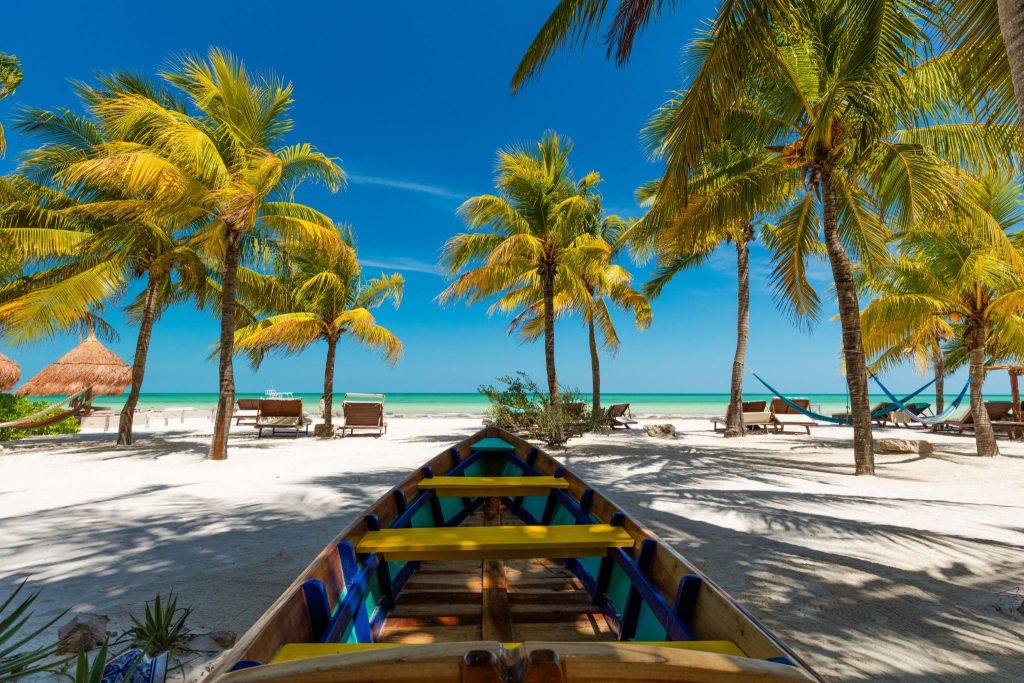
Beyond whale shark season, many travelers ask: is Isla Holbox worth visiting on its own? For most, the answer is yes. The island is known for wide, shallow beaches with soft sand and calm water. Days unfold slowly here. Golf carts replace cars, streets are sandy, and sunsets stretch long over the horizon.
Among the most popular things to do in Isla Holbox:
- Relax on Punta Mosquito or Punta Cocos beaches
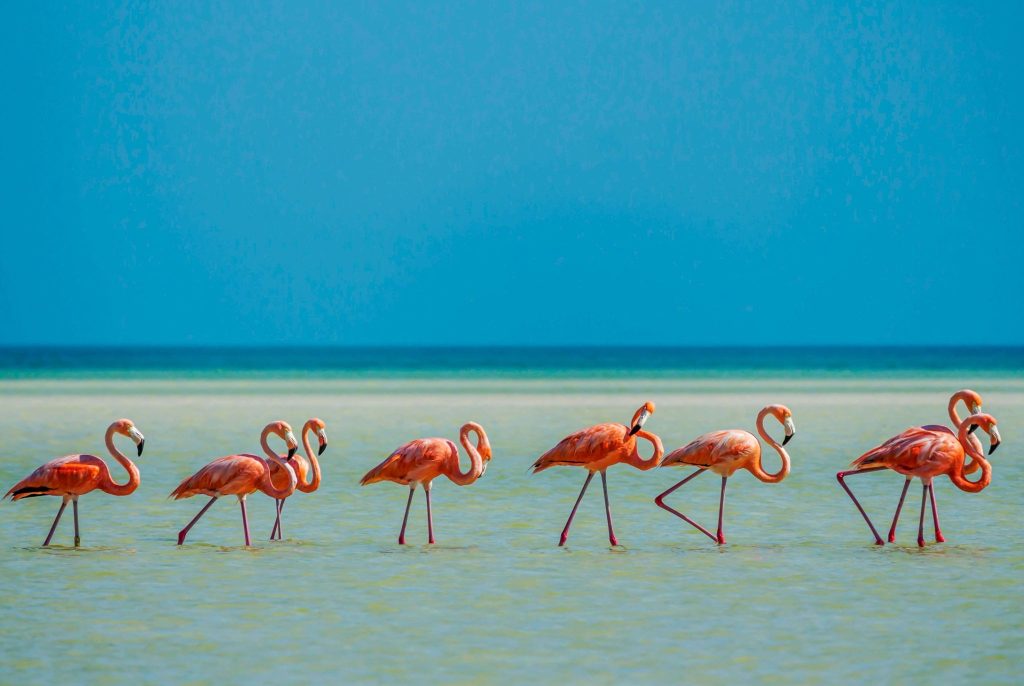
- Spot pink flamingos in the Yum Balam reserve
- Experience bioluminescence on warm summer nights
- Wander colorful streets filled with murals and small cafés
Holbox isn’t about packed itineraries. It’s about slowing down, watching the tide roll in, and letting nature set the pace. If you’re coming to swim with whale sharks, stay a little longer. The island itself is part of the magic. Wishing you calm seas, clear water, and a truly memorable trip.