Last year saw real progress for LGBTQ+ rights worldwide. Greece legalized same-sex marriage — a first for an Orthodox Christian–majority country. The US advanced with dozens of new pro-equality laws that boosted protections and visibility.
Yet progress isn’t equal everywhere. Social acceptance in Greece still lags behind Europe’s most LGBTQ-friendly spots, and US policy shifts have raised concerns about safety and discrimination.
That’s why, with National Coming Out Day (October 11) approaching, we’ve created this guide to the best LGBTQ travel destinations. From beaches and nightlife to cultural landmarks and wellness escapes, these places combine safety, acceptance, and community so you can travel with confidence.
Read in this post:
1. Spain LGBT travel
The vibe: Beaches in Sitges, nightlife in Madrid, art in Barcelona, and wellness retreats across the coast make Spain a true all-rounder.
Why Spain feels safe
Spain has long been a leader in LGBTQ rights, making it one of the safest places to visit today. Same-sex marriage and adoption have been legal since 2005, and new laws now allow transgender people to change their gender from the age of 16. Conversion therapy is banned, and strong anti-discrimination protections cover daily life.
In major cities like Madrid, Barcelona, and Valencia, the queer community is highly visible and well-connected, while even in smaller towns, hate crimes are taken seriously by the state. Most LGBTQ travelers report feeling welcomed and respected throughout their stay.
Spain as an LGBTQ festival hub
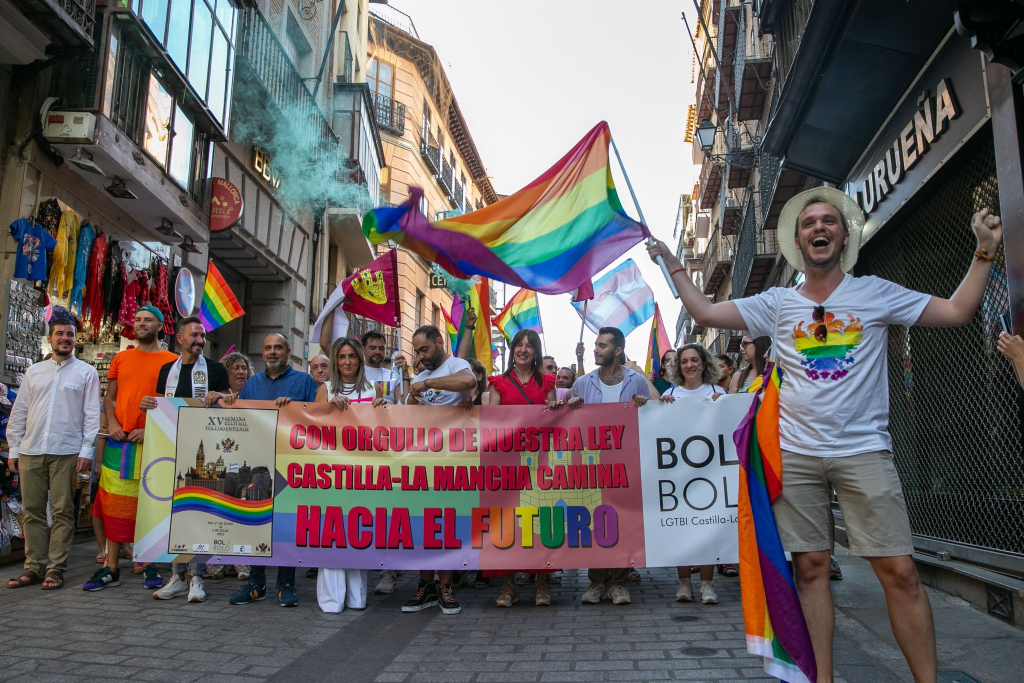
Spain is home to some of Europe’s biggest and most colorful LGBTQ festivals, drawing travelers from around the world. Madrid Pride, one of the largest on the planet, brings millions into the streets each summer. Barcelona Pride, Sitges Pride, and Torremolinos Pride light up the Mediterranean with parades and beach parties.
The Canary Islands add their own flair with Maspalomas Winter Pride, proving the celebration doesn’t stop when summer ends. Beyond parades, Spain also hosts major cultural events like LesGaiCineMad, one of the leading LGBTQ film festivals. With this mix of parties, culture, and year-round festivities, Spain has become a true epicenter of queer celebration in Europe.
Local community info
Spain has one of the strongest LGBTQ networks in Europe, making it easy for visitors to feel both welcomed and connected. National organizations like FELGTB work alongside local groups such as Cogam in Madrid and Casal Lambda in Barcelona, offering cultural activities, support services, and trusted safe-space guidance.
For travelers, these resources are not only reassuring but also a doorway into authentic experiences — from community events to LGBTQ-owned businesses that keep Spain’s queer scene thriving.
Good to know: Spain’s Rioja Alavesa has earned recognition as a safe, inclusive spot for LGBTQ+ travelers — perfect if you’re looking for a welcoming wine country escape. Tip: visit in autumn to catch the grape harvest and enjoy the vineyards at their most vibrant.
At Ovago, we care about every traveler and their unique flight needs.
Check out our quick FAQ guide for clear, straightforward answers.
2. Malta LGBT travel
The vibe: Sun-drenched beaches, historic seaside towns, and a welcoming LGBTQ scene make Malta perfect for both relaxation and culture.
Why Malta feels safe
Malta consistently ranks as one of Europe’s most LGBTQ-friendly countries, topping the European Rainbow Map for the tenth year in a row in 2025 with a score of 88.8%. The island has strong protections: registered partnerships were introduced in 2014, marriage equality in 2017, conversion therapy was banned in 2016, and gender self-ID has been recognized since 2015.
Visible rainbow flags, inclusive hotels, and little reported hate crime contribute to a welcoming atmosphere. Most LGBTQ travelers describe Malta as not just legally safe but also socially supportive.
What Malta offers LGBTQ travelers
Valletta and the island’s resort towns are dotted with inclusive hotels, bars, and restaurants that openly celebrate diversity. Annual Pride events bring color to the capital, while beach clubs and historic sites offer plenty to explore year-round. With the Mediterranean setting, LGBTQ visitors can enjoy both cultural heritage and seaside relaxation, all in a safe and affirming environment.
Local community info
Malta’s LGBTQ community is highly visible and well-organized. A new LGBTQ+ community center in Valletta provides resources, events, and safe spaces, while free HIV testing supports public health and inclusivity. For visitors, these initiatives make it easy to connect with locals, join community activities, and feel part of one of Europe’s most supportive queer networks.
3. Norway LGBT travel
The vibe: Fjords, northern lights, and hiking trails pair with progressive cities for a mix of raw adventure and modern inclusivity.
Why Norway feels safe
Norway is among the most progressive countries in Europe when it comes to LGBTQ rights. Same-sex couples can marry, adopt, and even be wed in church, while since 2016 trans people have been able to change their gender by simple declaration. City life is openly inclusive, and hate crimes are rarely reported — when they are, the state prosecutes them consistently. Together, these protections create a safe and supportive environment for queer travelers.
What Norway offers LGBTQ travelers
Oslo Pride is the country’s biggest LGBTQ celebration, taking place in the summer, with over 150 events ranging from parades to cultural programs. Beyond the capital, Pride events are promoted nationwide, ensuring visibility and inclusivity across the country.
Local community info
Norway’s LGBTQ community is well-integrated and highly visible, with strong support from both the government and civil society. Organizations like FRI – The Norwegian Organization for Sexual and Gender Diversity and Skeiv Verden (Queer World) actively promote inclusivity, host cultural activities, and provide resources for both locals and visitors. These groups also work alongside state institutions to ensure protections are upheld.
4. Iceland LGBT travel
The vibe: Otherworldly landscapes, geothermal spas, and Reykjavík’s inclusive nightlife blend adventure with wellness in a safe setting.
Why Iceland feels safe
Iceland is considered one of the safest countries in the world for LGBTQ+ travelers thanks to its strong legal framework and broad social acceptance. Same-sex marriage has been legal since 2010, gender changes are based on self-ID, and conversion therapy was fully banned in 2023. Police rarely report hate crimes, even in rural areas, making the entire country feel welcoming and secure.
What Iceland offers LGBTQ travelers
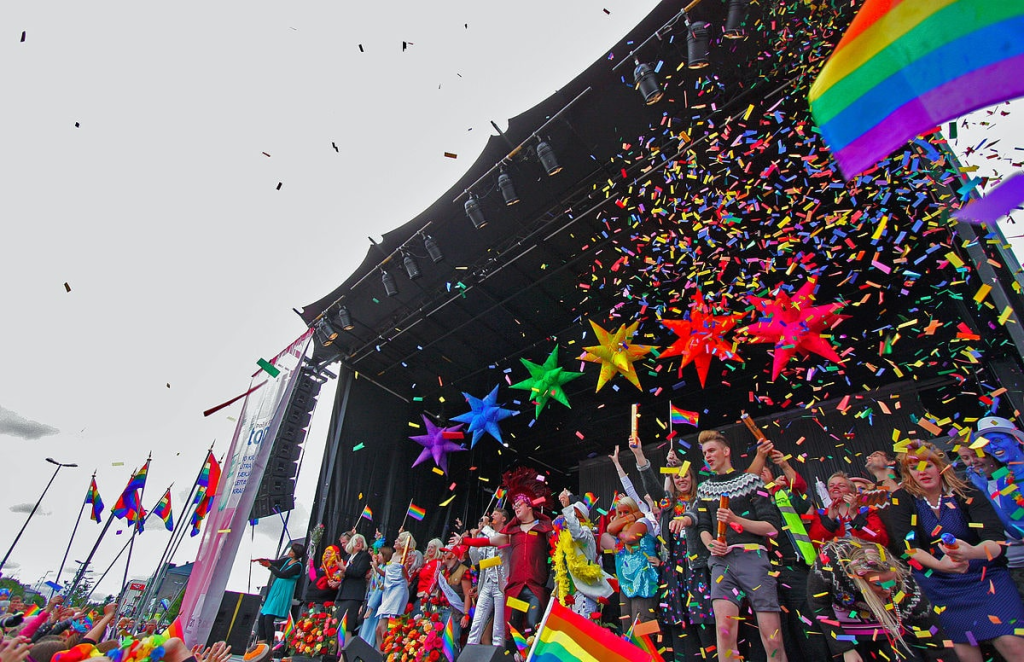
Reykjavík Pride, held in August, is one of the country’s biggest annual events, filling the capital with parades, concerts, and rainbow flags. Beyond Pride, Reykjavík’s colorful bar scene along Laugavegur street is a lively, queer-friendly hub. Pair city life with Iceland’s dramatic nature — waterfalls, geysers, glaciers, and hot springs — and you get a mix of adventure and inclusivity that’s hard to beat.
Local community info
Iceland’s LGBTQ community is highly visible and closely connected, with support from both grassroots groups and the government. Organizations like Samtökin ’78 (the National Queer Organization of Iceland) provide resources, host cultural events, and ensure inclusivity across the country.
5. Germany LGBT travel
The vibe: Berlin leads with cutting-edge nightlife and queer history, while spa towns and countryside escapes add relaxation and nature.
Why Germany feels safe
Same-sex marriage has been legal since 2017, adoption rights are equal, and strong anti-discrimination laws protect identity and expression in daily life. Hate crimes are taken seriously, and Germany’s legal system enforces consistent prosecution. In major cities, the LGBTQ community is not only visible but deeply woven into cultural and political life, creating a sense of everyday safety.
What Germany offers LGBTQ travelers
Berlin is famous worldwide for its vibrant LGBTQ scene, from legendary clubs and bars to cultural spaces and Pride events. Christopher Street Day summer parades are held across the country, with Berlin and Cologne drawing some of the largest crowds in Europe.
Beyond nightlife, Germany’s queer culture includes film festivals, museums, and community spaces that showcase its rich history. Travelers can also combine city experiences with spa retreats in Baden-Baden or countryside escapes in Bavaria, where inclusivity is increasingly embraced.
Local community info
Germany’s LGBTQ community is diverse and well-organized, supported by national and regional associations. Groups like the Lesben- und Schwulenverband in Deutschland (LSVD), one of the largest LGBTQ advocacy organizations in Europe, play a major role in protecting rights and hosting community programs. Visitors will find queer-friendly hotels, cafés, and cultural hubs in nearly every major city.
Read also: Exploring Airline Group Travel: Top Options, Benefits, Drawbacks, and a Great Alternative
6. Uruguay LGBT travel
The vibe: Montevideo’s laid-back vibe, Punta del Este’s beaches, and a visible queer community create a balance of coast, culture, and comfort.
Why Uruguay feels safe
Uruguay is widely seen as South America’s LGBTQ+ pioneer. Same-sex relationships have been decriminalized since 1934, adoption rights were extended in 2009, and marriage equality has been in place since 2013. A comprehensive trans law from 2018 further strengthened protections, making Uruguay’s legal framework one of the most liberal in the region.
While trans people still sometimes report discrimination, police and ombudsman offices now respond with growing sensitivity. For most travelers, this means a safe and progressive environment.
What Uruguay offers LGBTQ travelers
Montevideo Pride, held each September along Avenida 18 de Julio, is a colorful and inclusive celebration that attracts both locals and visitors. Beyond the capital, Uruguay’s coastal towns like Punta del Este offer safe nightlife and welcoming beach clubs, giving queer travelers plenty of options to relax, connect, and celebrate. Combined with Uruguay’s laid-back culture, the country provides both city vibrancy and seaside charm in an LGBTQ-friendly setting.
Local community info
Uruguay’s LGBTQ community is visible and active, with advocacy groups such as Ovejas Negras playing a central role in promoting equality and offering support services. Travelers benefit from this strong community presence, with safe spaces, queer-friendly venues, and cultural events widely accessible.
7. Netherlands LGBT travel
The vibe: From Amsterdam’s legendary nightlife and canalside culture to charming small towns, the Netherlands balances history with celebration.
Why the Netherlands feels safe
The Netherlands has a long history of advancing queer rights and remains one of the safest destinations for LGBTQ travelers. It was the first country in the world to legalize same-sex marriage in 2001, setting a global example of equality. Strong anti-discrimination protections and a culture of openness make daily life inclusive, while visible support across society reassures visitors.
What the Netherlands offers LGBTQ travelers
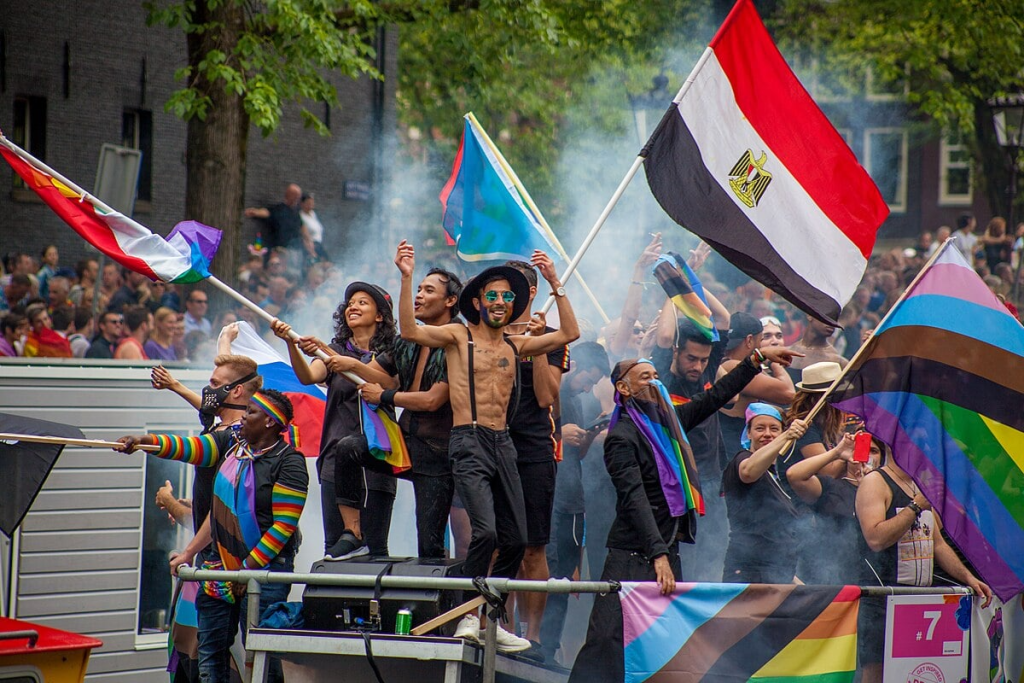
Amsterdam is world-famous for its vibrant queer nightlife, from legendary clubs to cozy canal-side bars. The city’s canal-based Pride parade is one of Europe’s most iconic LGBTQ events, attracting travelers from across the globe each summer. Beyond Amsterdam, cities like Rotterdam and Utrecht also host their own Prides and cultural festivals, while the country’s small towns reflect the same welcoming spirit.
Local community info
The Netherlands has a deeply rooted LGBTQ community supported by long-standing organizations. Groups such as COC Nederland, the world’s oldest LGBTQ rights association, provide advocacy, resources, and community events nationwide.
8. Denmark LGBT travel
The vibe: Copenhagen shines with design, culture, and queer-friendly nightlife, while the country’s wellness-minded hygge spirit runs deep.
Why Denmark feels safe
Denmark is one of the world’s pioneers in LGBTQ rights — it was the first country to recognize same-sex partnerships back in 1989, and marriage equality has been in place since 2012. Strong anti-discrimination protections and a broad social acceptance make it a secure destination for queer travelers. Hate crimes are rare, and inclusive attitudes are deeply woven into everyday Danish life.
What Denmark offers LGBTQ travelers
Copenhagen is the heart of Denmark’s queer scene, known for its lively nightlife, inclusive cultural events, and stylish design-focused venues. Each August the city hosts Copenhagen Pride, one of Scandinavia’s biggest celebrations, and has even welcomed WorldPride. Outside the capital, Denmark’s smaller towns and islands reflect the country’s hygge spirit — a blend of comfort, wellness, and community — within a welcoming, inclusive atmosphere.
Local community info
Denmark’s LGBTQ community is highly visible and supported by strong organizations such as LGBT+ Denmark, the national association for gay, lesbian, bisexual, and transgender rights. These groups offer advocacy, cultural events, and safe spaces that visitors can easily access.
9. Andorra LGBT travel
The vibe: A tiny mountain nation where ski slopes, wellness resorts, and cozy villages meet in a safe and scenic LGBTQ-friendly setting.
Why Andorra feels safe
This small country in the Pyrenees has made strong strides in LGBTQ rights in recent years. Same-sex marriage was legalized in 2023, adding to anti-discrimination protections already in place. Hate crimes are rare, and the country’s close-knit society and strong EU ties help create a safe environment for queer travelers.
What Andorra offers LGBTQ travelers
While Andorra doesn’t have the big LGBTQ festivals of larger countries, its safe, relaxed atmosphere makes it ideal for travelers seeking small-town charm paired with outdoor adventure. Inclusive hotels and spas increasingly welcome LGBTQ visitors, offering a blend of nature and comfort.
Local community info
Andorra’s LGBTQ community is small but visible, supported by groups like Diversand, which advocate for equality and host cultural events. For travelers, this means access to local resources, occasional meetups, and reassurance that inclusivity is steadily growing. Combined with the country’s cozy villages and mountain escapes, it’s a destination where queer visitors can feel both secure and at ease.
10. Canada LGBT travel
The vibe: Big cities like Toronto and Montreal pulse with queer culture, while vast wilderness and friendly small towns offer space to explore and unwind.
Why Canada feels safe
Canada is one of the most progressive countries in the world for LGBTQ rights. Same-sex marriage has been legal nationwide since 2005, and strong anti-discrimination protections cover gender identity and expression. Inclusive policies, visible queer communities, and broad social acceptance make daily life welcoming for travelers.
What Canada offers LGBTQ travelers
Toronto, Montreal, and Vancouver are home to thriving queer neighborhoods, world-class Pride parades, and inclusive nightlife. Toronto Pride is one of the largest in North America, while Montreal adds a creative twist with cultural festivals like Divers/Cité. Beyond the cities, Canada’s vast nature — from the Rocky Mountains to coastal retreats — combines adventure with inclusive hospitality, making it easy for LGBTQ travelers to mix outdoor escapes with vibrant urban life.
Local community info
Canada’s LGBTQ community is highly organized and visible, with groups like Egale Canada and The 519 Community Centre in Toronto leading advocacy and providing safe spaces. These organizations host events, support cultural programs, and ensure inclusivity across the country.
Good to know: The Ipsos Pride Report 2025 highlights Canada as a global leader in LGBTQ support, topping the charts on key measures like marriage equality, legal recognition, adoption rights, comfort with public displays of affection, and openness about sexual orientation.
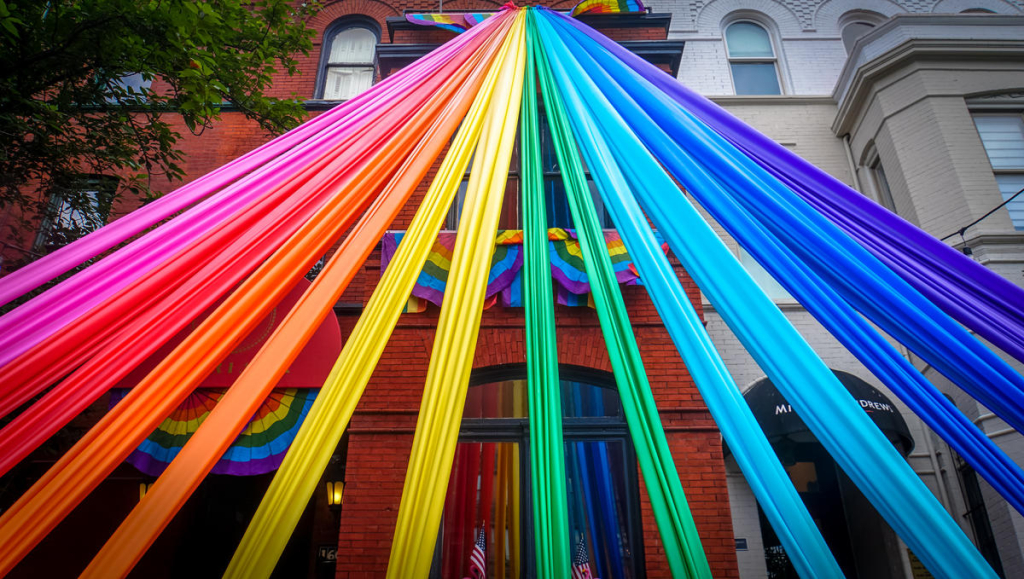
Tips for choosing the right LGBTQ+ destination
- Check the legal basics – Make sure same-sex relationships are recognized and protected from discrimination. Many LGBTQ-friendly countries publish dedicated pages on their official tourism websites, which are a great place to start.
- Look beyond the law – Legal rights don’t always mean full social acceptance. Regional attitudes can vary, so review recent travel advisories for any cautionary notes.
- Consider local differences – Cities like Madrid, Berlin, or Toronto are visibly queer-friendly, but rural areas may feel less open. Research your exact destination, not just the country as a whole.
- Seek visible infrastructure – Queer neighborhoods, bars, Pride events, and LGBTQ-friendly hotels signal strong community support. Global networks like IGLTA make it easy to find certified safe hotels, tours, and operators worldwide. Platforms such as Booking.com’s Travel Proud also highlight inclusive properties.
- Rely on trusted travel brands – Many major airlines and travel companies openly support LGBTQ travelers; sticking with them adds peace of mind.
- Plan for comfort – Pre-booking plane seats — a service also available with Ovago — helps avoid upsetting or uncomfortable interactions with strangers, especially for trans and non-binary travelers.
- Mind accessibility – Check how easy it is to get there from your home base. Direct flights, language availability, and local services can make your trip smoother.