The Mexico Day of the Dead celebration is a must-see experience! This magical holiday brings Mexico to life with vibrant decorations, delicious traditional foods, and an atmosphere filled with festivity. It’s a celebration that rivals even Christmas in its importance. From bustling mercados (markets), overflowing with colorful goods, to intimate cemetery vigils lit by candlelight, each town and city offers its own unique twist on this ancient tradition.
Whether you’re drawn to grand parades or prefer quieter, more personal ceremonies, there’s a destination perfect for you. Read our guide to discover the best places to celebrate Mexico Day of the Dead Men. Heebie-jeebie chills with safe travels guaranteed by Ovago this fall!
Table of Contents
What Is the Day of the Dead? Answers to Common Questions
1. What country celebrates the Day of the Dead?
Mexico is the country that celebrates the Day of the Dead (called Día de Muertos in Spanish), with the most vibrant and grand celebrations. Similar traditions exist in other Latin American countries, like Guatemala, Bolivia, and Peru, and in Mexican communities worldwide, especially in the US.
2. Why do people celebrate the Day of the Dead?
What is the purpose of the Day of the Dead in Mexico and beyond? People celebrate the Day of the Dead to honor and remember loved ones who have passed away. This holiday combines indigenous beliefs with Catholic traditions and sees death as a natural part of life.
3. How do people celebrate the Day of the Dead?
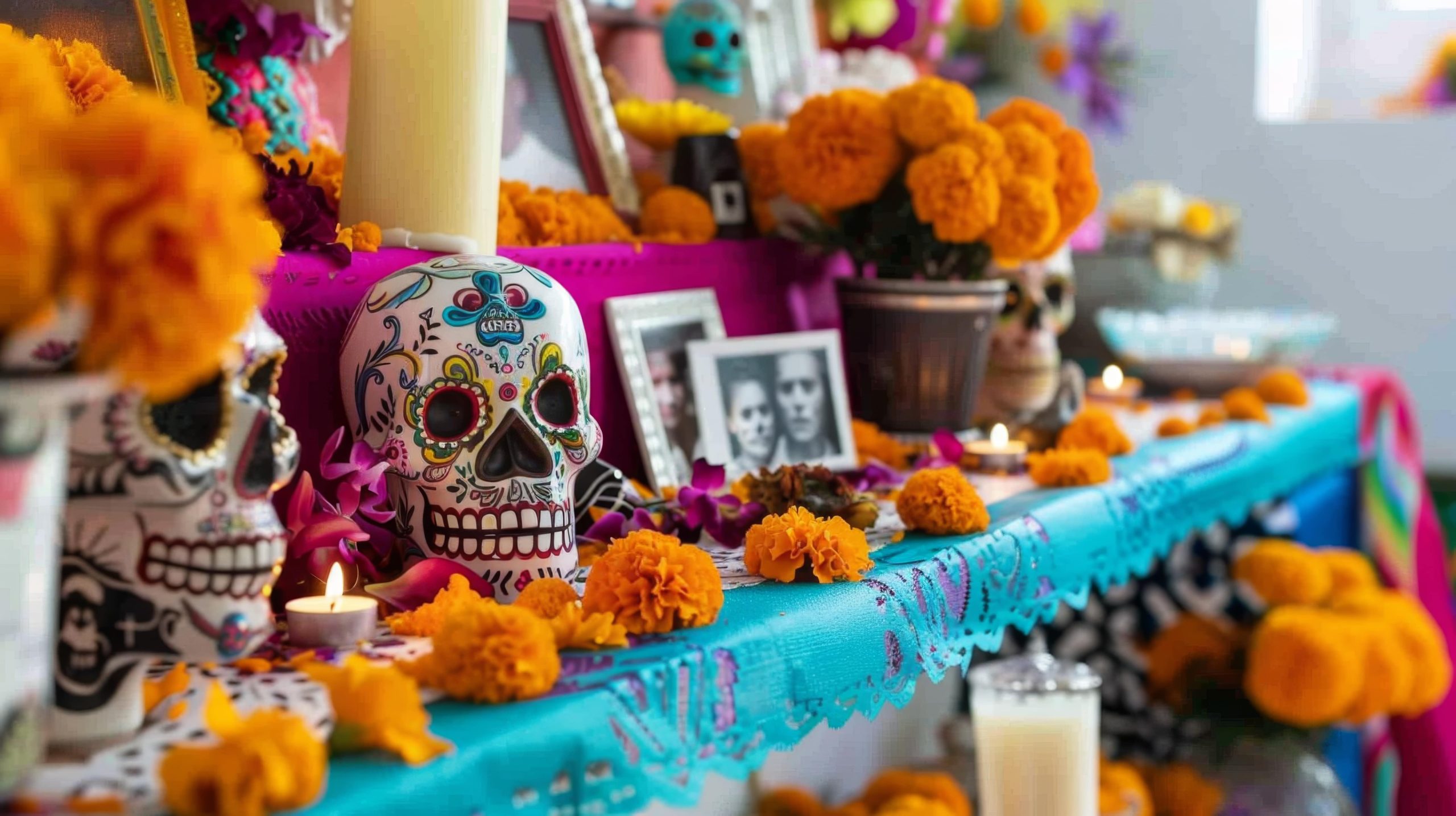
People celebrate the Day of the Dead by creating altars with photos (ofrendas), candles, and favorite foods of the deceased. They decorate graves with marigolds (cempasúchil), hold cemetery vigils, and enjoy parades, music, and dances. Special foods like pan de muerto—a sweet bread topped with sugar, symbolizing the cycle of life and death—are prepared as families joyfully honor their loved ones.
4. When is the Day of the Dead 2025?
The Day of the Dead is typically celebrated on November 1st (for children) and November 2nd (for adults). But festivities often start by October 28th. Early events set the festive tone with parades, markets, and altar preparations. Arriving in Mexico early allows travelers to fully enjoy the holiday’s lively atmosphere.
5. What is special about Day of the Dead costumes?
Day of the Dead costumes are special for their vibrant colors and intricate designs, representing life, death, and honoring ancestors. The iconic La Catrina, a skeleton in elegant clothing, symbolizes this blend. Many people paint their faces as skulls (calaveras) with floral designs, celebrating the dead in a beautiful, festive way.
6. Is Day of the Dead in Mexico City Safe? What about Mexico in general?
Day of the Dead in Mexico City is generally safe, as the city embraces it with vibrant parades, cultural events, and strong police presence in main areas, making it a family-friendly celebration. In Mexico overall, safety varies by region, but major cities and tourist areas are well-prepared for visitors during the holiday. Like any large gathering, it’s wise to stay alert, keep valuables secure, and avoid overcrowded spots late at night.
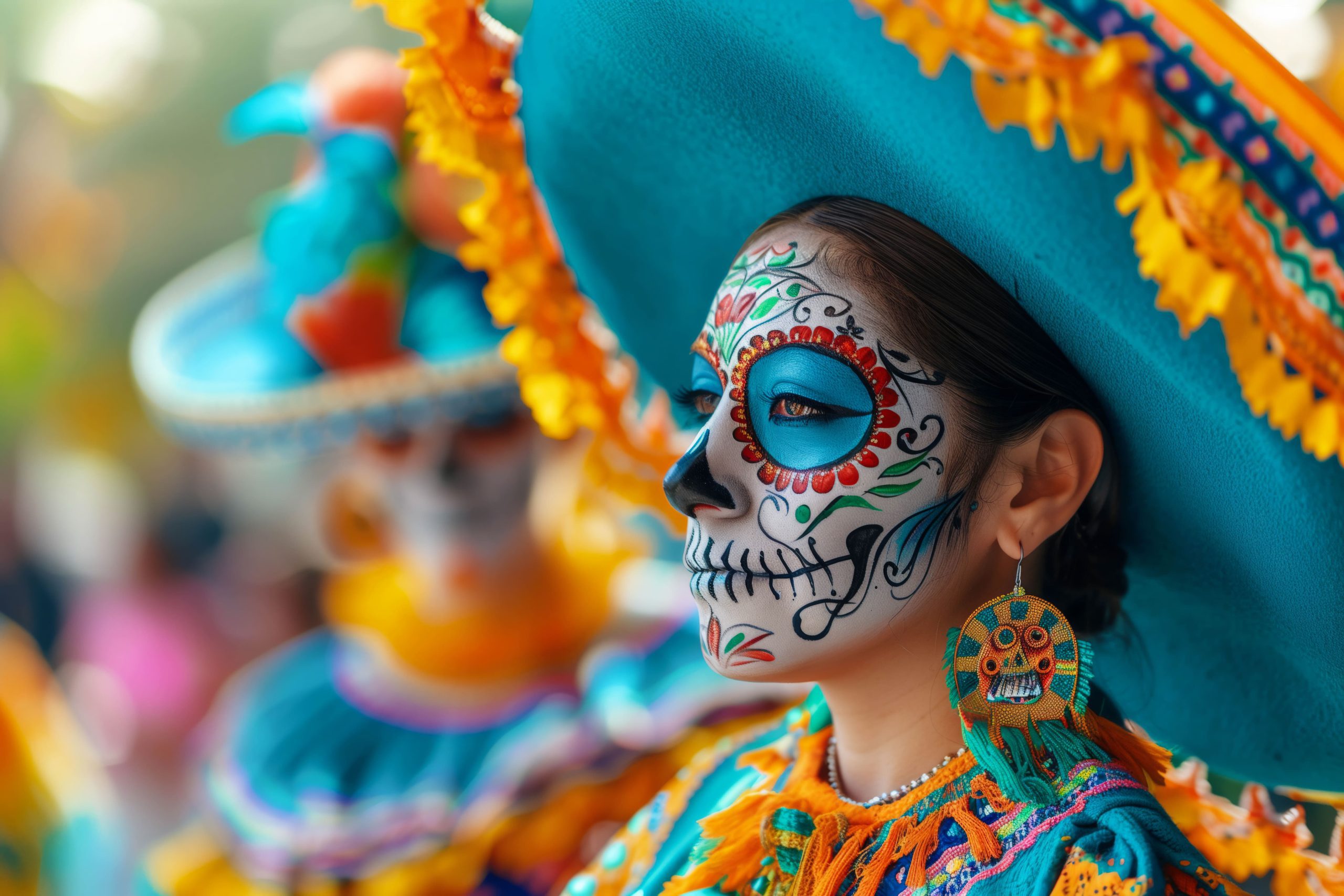
The most spectacular Day of the Dead celebrations are found across Mexico, where the tradition is deeply rooted. Top spots include Mexico City, Oaxaca, Mérida, and Michoacán towns like Pátzcuaro, Janitzio, and Morelia. Each offers a unique and charming celebration, which we’ll explore below.
1. Mexico City Day of the Dead Parade and the Mysterious San Andrés Mixquic Cemetery
Mexico City hosts one of the largest Day of the Dead parades, inspired by the 2015 James Bond film “Spectre”. The first real parade took place in 2016, and by 2019, it attracted around 2.6 million spectators. The city’s central square Zócalo is decorated with colorful ofrendas. In contrast, the San Andrés Mixquic neighborhood offers a more intimate experience with traditional cemetery vigils and rituals.
Attractions and Activities:
- Day of the Dead Parade: Experience Mexico City’s grand celebration! Floats, giant puppets, and performers showcase traditional symbols like calaveras, La Catrina, and alebrijes (brightly colored mythical creatures). The air is filled with traditional Mexican and modern music as performers entertain with dance and acrobatics.
- Mega Catrina Procession: Marvel at this unique procession where hundreds of participants dressed as La Catrina create a spectacular and festive display throughout the city.
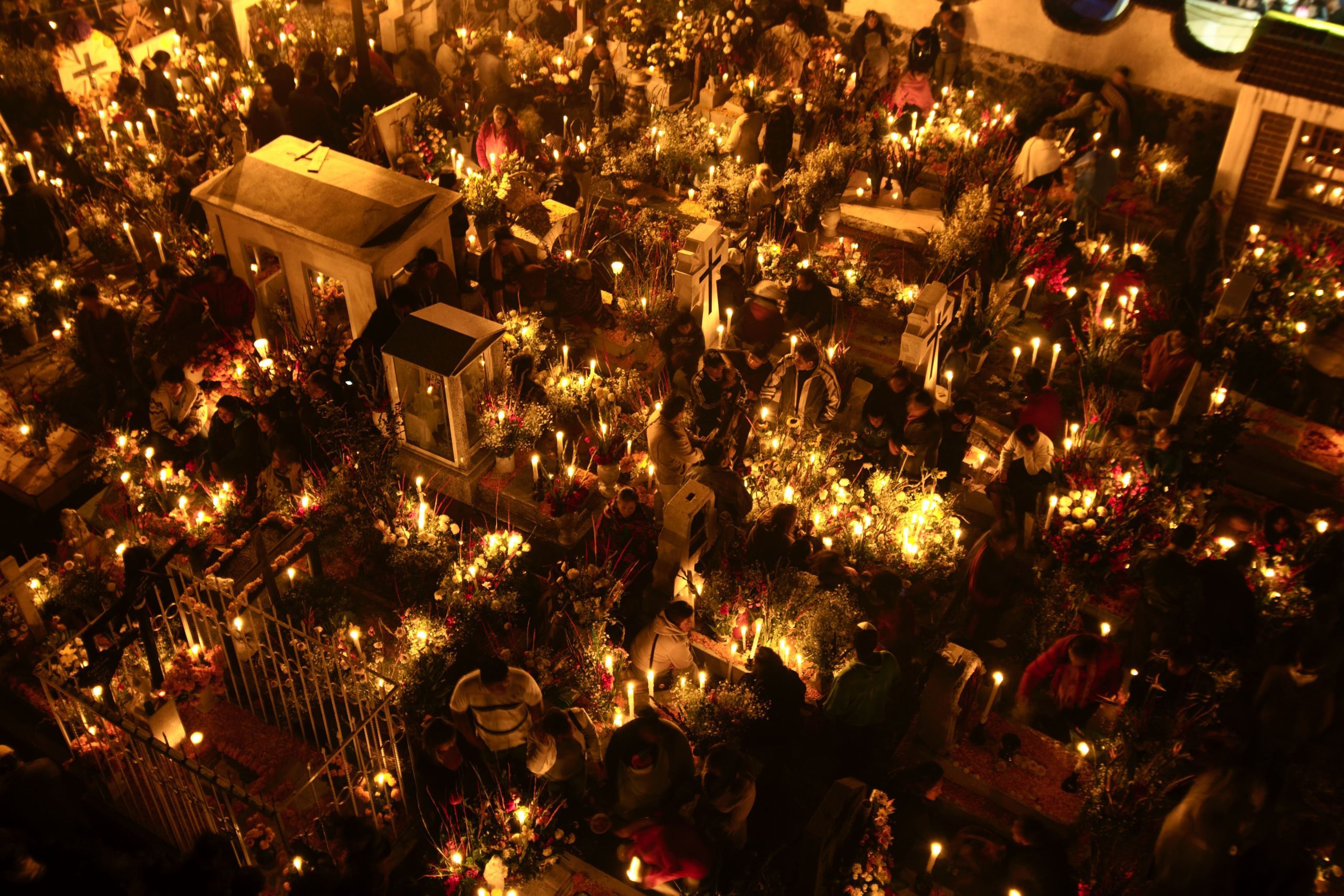
- San Andrés Mixquic Cemetery: Explore the legendary cemetery, known for its intimate candlelit vigils and heartfelt rituals.
- Mega Ofrenda Zócalo CDMX: Visit Zócalo to see the massive ofrenda set up in honor of the dead, filled with marigolds, candles, and offerings.
- ‘La Llorona’ in Xochimilco: Take a boat ride through the canals of Xochimilco and enjoy the theatrical performance of the legendary tale of ‘La Llorona,’ set against the eerie yet beautiful backdrop of the canals.
- Visiting Teotihuacán: Discover the ancient ruins of Teotihuacán, home to the majestic Pyramids of the Sun and Moon, and the mysteries of this ancient civilization.
- Teotihuacán Hot Air Balloon Ride: Soar above the pyramids and take in breathtaking views of the surrounding landscapes. Some companies offer affordable options, making this unforgettable experience accessible to a wide range of travelers.
Book your Day of the Dead trip to Mexico City with Ovago.
Enjoy great deals, 24/7 support, and flexible payment options.
2. Oaxaca Mexico Day of the Dead: Colorful Sand Rugs, Traditional Cemeteries, and the Spooky Muerteada Tradition
Oaxaca’s Day of the Dead is one of Mexico’s most traditional and vibrant celebrations. The city comes alive with the scent of cempasúchil flowers, while ofrendas are beautifully displayed in homes and businesses. Oaxaca also features stunning sand tapestries, along with music, processions, and artistic performances that enrich the cultural experience. You can pick up an event schedule at the tourist booth near the cathedral in the Zócalo. Keep an eye out for other activities happening throughout the city and beyond.
Attractions and Activities:
Before October 31:
- Stroll through Oaxaca City, including the charming neighborhood of Jalatlaco.
- Visit nearby villages and weekly markets for artisanal goods and traditional foods.
- Don’t miss Cultivos el Viejo, a flower field known for its vibrant marigolds.
- Head to the nearby town of Mitla for the stunning La Catrina Exhibition.
October 31 or November 1: Visit the Xoxo Cemetery and other nearby cemeteries in Oaxaca to witness traditional Day of the Dead rituals. See how families honor their loved ones with decorated graves and candlelight vigils.
November 1: Travel to the nearby Valley of Etla to experience the lively and eerie Muerteada, a unique parade where locals in skeleton costumes fill the streets with music, dance, and revelry.
November 2: Return to the Jalatlaco neighborhood in Oaxaca for the colorful and lively comparsa (parade), where costumed participants dance through the streets in celebration of the final day of Día de los Muertos.
3. Michoacán Day of the Dead: Unique Purépecha Traditions That Set the State Apart
Celebrating the holiday in Michoacán is unique for its deep Purépecha traditions and the mystical atmosphere of its lakeside cemeteries, especially around Lake Pátzcuaro. Unlike the lively parades in other regions, Michoacán’s cemetery vigils are quieter and more spiritual, with families gathering by candlelight to honor their deceased. The region is also known for its rich handicrafts, including ceramics, textiles, and bright marigolds traditionally used to guide spirits. Local artisans create sought-after alebrijes and Catrina figurines, adding to the cultural richness of the celebrations.
Pátzcuaro, Janitzio, and Morelia are the top destinations in Michoacán to consider for traveling during the holiday. Due to their proximity, it’s easy to visit all three destinations in one trip, especially during events like the Day of the Dead celebrations.
Attractions and Activities:
Before October 31:
- Spend a few days in Morelia exploring pre-day of the Dead events, including the rug competition and the Catrines and Catrinas parade, where people dress up.
- Visit the nearby flower fields for a colorful experience and stop by the Catrina Festival in Capula, which starts about 10 days before the holiday and showcases incredible Catrina figures.
October 31:
Begin your day in Morelia, taking in any final pre-festival events. Then, head to Pátzcuaro to explore the town and its preparations for the Day of the Dead celebrations. Enjoy the vibrant atmosphere and traditional offerings in the main square.
November 1:
- Start the day by visiting Santa Fe de la Laguna, where you can see the beautiful ofrendas and visit Mama Coco’s house, an iconic stop for Day of the Dead enthusiasts.
- In the evening, make your way to Tzintzuntzan for the Procession of Altars, an intimate and moving event with beautifully decorated altars in honor of the departed. Alternatively, check the Janitzio ferry schedule to plan an evening visit to Janitzio Island for the candlelit cemetery vigil.
November 2:
If you didn’t visit Janitzio on November 1st, take a ferry to the island today to experience the spiritual atmosphere and nighttime cemetery vigils. Alternatively, stay in Pátzcuaro to catch the Danza de los Viejitos (Dance of the Old Men) performance at 4 pm in the main square, a signature event in Michoacán. In the evening, enjoy the traditional Day of the Dead festivities around the town’s main square.
Read also: Swim with Whale Sharks in Isla Holbox
4. Mérida Day of the Dead: Where Mayan Traditions Meet Día de los Muertos in Hanal Pixán
Hanal Pixán, meaning “food for the souls,” is Mérida’s version of the Day of the Dead, rooted in Mayan traditions. Families offer favorite foods to welcome back their deceased loved ones. October 31 honors children, November 1 remembers adults, and November 2 honors all souls. It’s a captivating time to visit the city, where you can experience ancient Mayan customs that have been kept alive since pre-Hispanic times.
Attractions and Activities:
- Mucbipollo and Traditional Foods: Savor the flavors of Mucbipollo, a special dish with meat and beans made for Day of the Dead, along with sugar skulls, pan de muerto (traditional sweet bread), and Xec, a refreshing fruit salad with citrus and chili.
- Mercado Lucas de Gálvez: Visit Mérida’s bustling market to explore local crafts, vibrant produce, and traditional foods, perfect for getting into the festive spirit of Hanal Pixán.
- Plaza Grande: Wander through Mérida’s main square to enjoy the festive decorations and atmosphere. In the evenings, don’t miss the traditional dance performances, bringing to life the city’s cultural heritage.
- Desfile de las Catrinas Parade: Witness the stunning Catrinas Parade, where participants dress as La Catrina, showcasing the elegance and beauty of this traditional symbol of the Day of the Dead.
- Mérida Cemetery: Pay a visit to the Mérida cemetery, where families gather to honor their loved ones with ofrendas and candlelit ceremonies.
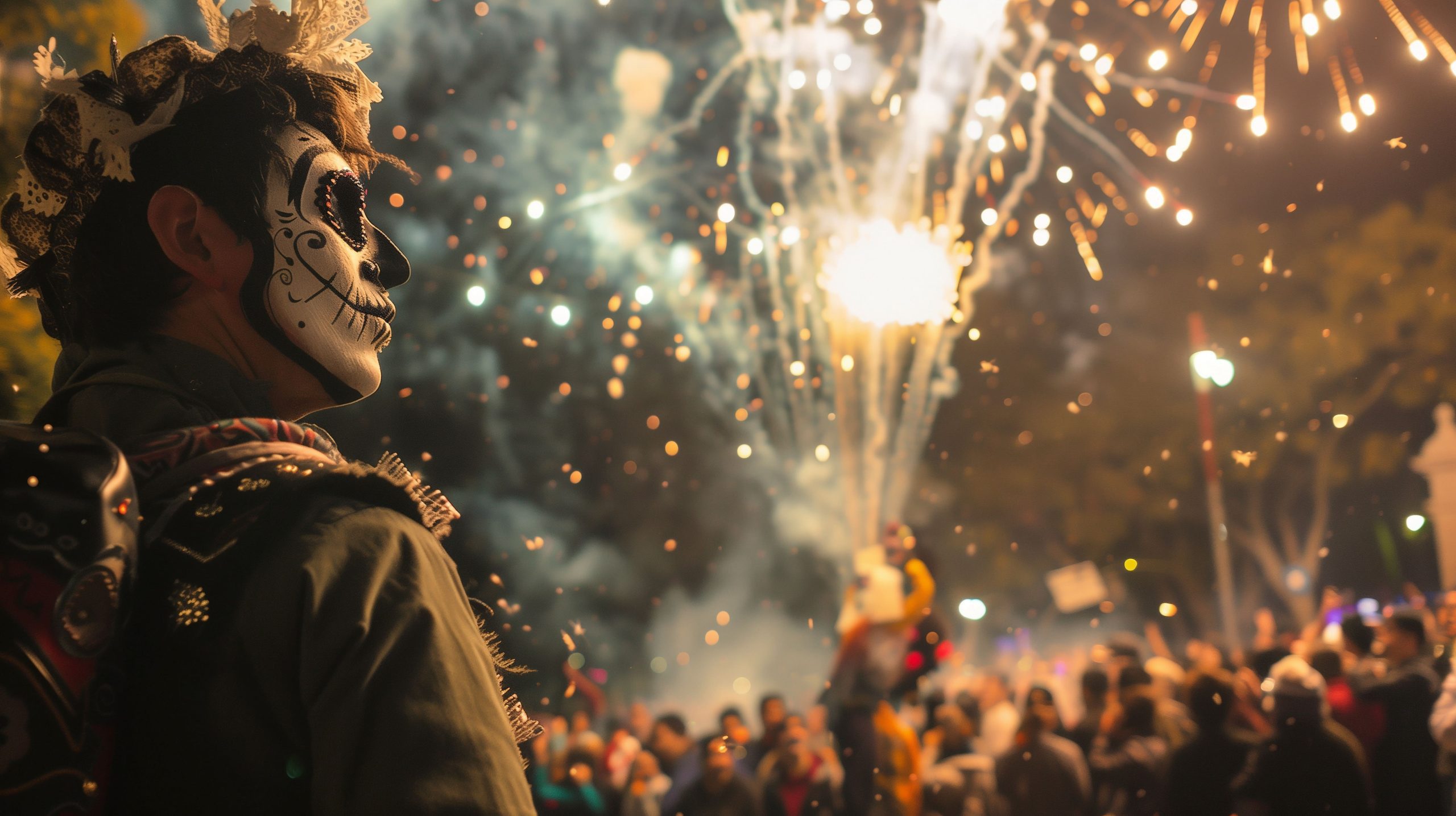
- Parade of the Souls: A must-see event, the Parade of the Souls fills Mérida’s streets with participants in elaborate costumes, symbolizing the return of the spirits in a magical, nighttime procession.
- Camino de Flores: Stroll along the Camino de Flores, a vibrant floral installation that honors the dead with beautiful flower displays, offering a peaceful and colorful tribute to the holiday.
Read also: How to Decode Online Economy Booking Reviews

Select your ideal Day of the Dead destination from our handpicked list and enjoy Ovago’s affordable airfares for a memorable journey. Start planning today to stretch your budget and make the most of this enchanting and atmospheric celebration!