
Read in this article:
So, you’re dreaming of pad thai on the beach and tuk-tuk rides through Bangkok’s neon streets, but wondering how much does it cost to travel to Thailand? Good news – Thailand is incredibly budget-friendly. This guide will break down the cost to travel to Thailand for all budgets. We’ll cover everything – flights (including how to get there from the US on a budget), accommodations, food, transportation, activities, and some savvy tips to keep your Thailand travel budget in check. So, grab a cup of coffee (or a glass of wine, it’s even better), and let’s dive into planning the most epic, budget-friendly trip.
From Blog to Boarding Pass
One-click secures flights, offers payment flexibility, and provides 24/7 Ovago support for your next Thailand adventure.

Flying to Thailand on a Budget (From the US and Beyond)
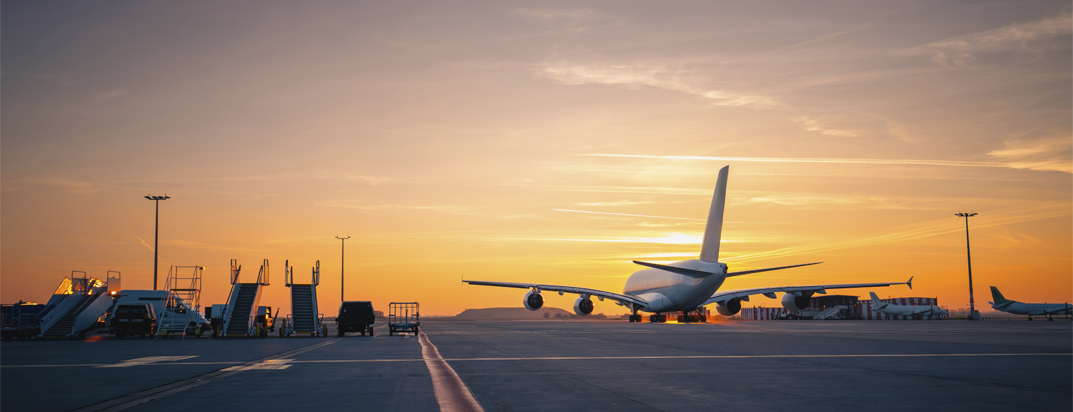
The biggest initial expense is getting there. Airfare can vary, but affordable flights to Thailand do exist if you plan right! Here’s what to expect for round-trip economy flights to Bangkok (BKK):
- From the USA: Flights from major hubs like Los Angeles or San Francisco can be found around $900-$1,100 round-trip in the low season, especially with one stop in Asia or the Middle East. East Coast departures (New York, Boston) may be slightly higher, at roughly $1,000-$1,400. For example, a flight from LAX to Bangkok with a layover (such as in Seoul or Tokyo) could cost approximately $950 if booked well in advance.
- Route Tip: To get there from the US affordably, consider flying West Coast if possible, or look for flights via budget-friendly Asian airlines (like EVA Air, Qatar Airways, or Korean Air with stopovers). Compare budget travel options in Thailand with Ovago easily.
- Other Regions: In case you’re not in the US – flights from Europe can be as low as $600-$900 from major cities (London, Frankfurt) during sales, and from Asia-Pacific (e.g., Australia or Japan), often in the $300-$700 range. Season matters: expect higher prices in the winter high season and cheaper fares in the summer rainy season.
Money-Saving Flight Hack: Season matters – expect higher prices in the winter high season and cheaper fares in the summer rainy season.

Accommodation Costs in Thailand
Thailand’s accommodation ranges from ultra-budget to ultra-luxury, with something for everyone. The cost to travel to Thailand will heavily depend on where you sleep each night, but the good news is that even budget options are comfortable and plentiful. Here’s a breakdown:
- Hostels & Dorm Beds: $5–$15 per night for a bed in a hostel dorm. Perfect for backpackers and solo travelers. In smaller towns or off-peak, dorms can be as low as $5, while in Bangkok or Chiang Mai, a clean dorm bed with Wi-Fi and A/C might be around $10.
- Guesthouses & Hotels: $20–$40 per night. These are simple private rooms or family-run guesthouses. Expect basic amenities, maybe A/C and hot water, and lots of local charm. For example, a guesthouse in Chiang Mai could cost $25/night for a double room.
Mid-Range Hotels: $50–$100 per night. This gets you a nice boutique hotel or reputable 3-4 star accommodations. Often includes breakfast and a pool. A comfy hotel in Bangkok might be around $70 a night, which often feels like a steal for the quality you get. - Luxury Resorts: $120 and up per night. Thailand’s five-star resorts can range from $150 to $500+ nightly depending on location and brand. The upside: at the $150-$200 range, you get incredible luxury (think infinity pools, beachfront villas, top-notch service) that might cost triple elsewhere. If you really want to splurge, $1000 can snag you a few nights in absolute paradise with private pools and butlers.
Budget Tip: Travel in the shoulder season (like May or October) when crowds are thinner – you can often get mid-range hotels at budget prices. Also, location matters: a hotel one street away from the tourist hotspot or beach can be half the price and still convenient.
Food and Drink Costs
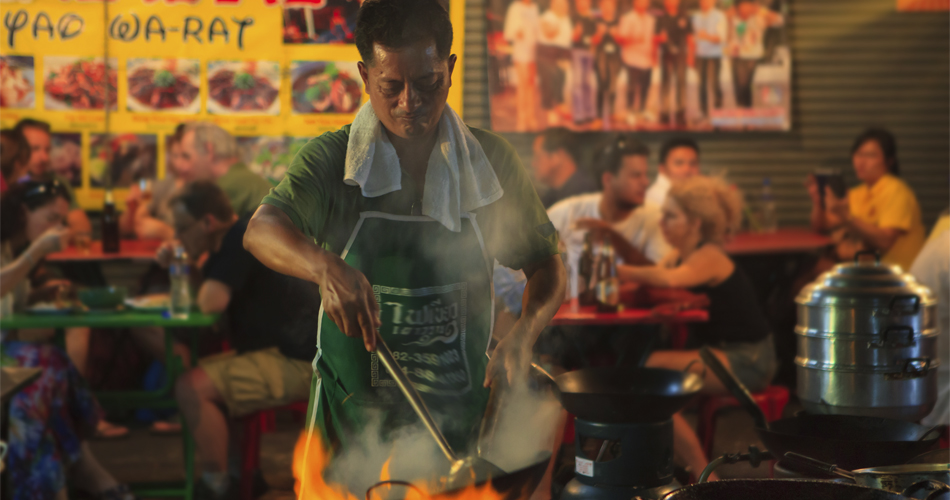
One thing’s for sure: you won’t go hungry in Thailand, even on a tight budget! Thai cuisine is famously delicious and super budget-friendly. In fact, food might be where you spend the least on your Thailand trip cost day-to-day (unless you’re constantly indulging in pricey cocktails). Here’s the scoop on food prices:
- Street Food & Markets: $1–$3 for a filling meal. Yes, you read that right. A plate of pad thai or a bowl of spicy noodle soup on the street might be ฿60 (about $2). Grilled meat skewers, banana pancakes, and mango sticky rice – all those street delights usually cost under $2 each. This is the best way to eat tasty food (and often the most authentic experience).
- Local Restaurants: $3–$6 per dish. In casual Thai eateries or food courts, a generous portion of curry and rice or a stir-fry dish might be around ฿100-150 (approximately $3-5). Total Thailand travel budget wins.
- Western & Upscale Dining: $8–$20 per dish at Western-style or upscale restaurants. Thailand offers a diverse range of dining options, from Italian bistros to Japanese sushi bars. These places charge more (perhaps $10-15 for a pasta or burger). A fancy dinner for two at a nice restaurant, complete with appetizers and desserts, might run $40-$50 total, which is still pretty reasonable compared to back home.
Drinks: A local beer (Chang, Singha) costs about $2-3 at a bar or restaurant. Cocktails at a beach bar or rooftop could be $5-8. Fresh fruit smoothies on the street? Often $1 or so – fresh, healthy, and perfect in the tropical heat. Bottled water is very affordable (around $0.50 at 7-Eleven for a big bottle).
Money-Saving Food Tip: Eat where the locals eat! Street stalls and night markets not only give you true Thai flavors but also the lowest prices. Also, look for food courts in malls – they’re English-friendly, and you can get a tasty meal for just a couple of bucks.
Transportation Costs Within Thailand
Getting around Thailand is part of the fun, and it’s thankfully budget-friendly. Here’s an overview of transportation options and prices:
- Tuk-tuks and Taxis (City Transport): Short hops in a tuk-tuk (the iconic three-wheeled taxi) cost around $2-5. Always negotiate the fare before the ride – haggling is expected. Metered taxis in Bangkok start at about ฿35 (just over $1), and a typical cross-town trip might be $5-10.
Pro tip: insist the driver uses the meter or use ride-hailing apps (like Grab) to avoid the tourist markup. - Buses and Trains (Between Cities): Thailand’s long-distance buses and trains are a great value. An intercity bus from Bangkok to Chiang Mai (an ~10-hour journey) can cost as little as $20-30 (more for a VIP bus with comfy seats). Overnight sleeper trains on the same route might be $30-40 for a bunk in 2nd class. It’s economical and you save a night’s hotel bill by sleeping en route!
- Domestic Flights: If you’re short on time, local flights aren’t too pricey either. One-way flights between popular cities (Bangkok to Phuket, or Chiang Mai to Krabi, etc.) typically range $50-100 if booked in advance. Low-cost carriers like AirAsia, Nok Air, or Thai Lion often have sales – sometimes you’ll snag a flight for as low as $30. Keep in mind baggage fees and try to pack light to avoid extra costs.
- Motorbike/Scooter Rental: In many towns and islands, tourists rent scooters to get around. It’s about $6-10 per day to rent a basic scooter (125cc). Fuel is also relatively inexpensive – a couple of dollars’ worth of gas will last you a day or two of casual exploring. Just wear a helmet and drive cautiously, as traffic can be wild. This is a fun way to sightsee on your own schedule for a very low cost.
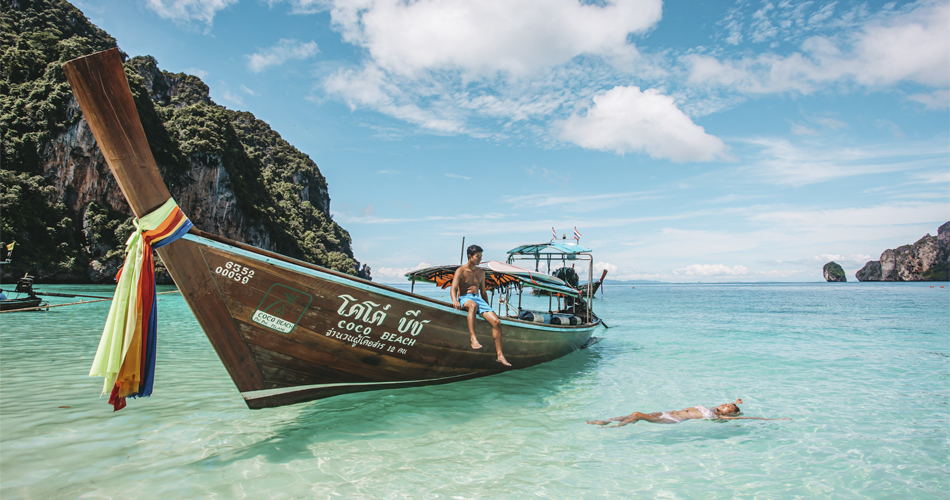
- Ferries and Boats: Island-hopping? Ferries between islands like Phuket, Koh Phi Phi, Koh Samui, etc., usually cost $10-20 one-way. For example, a ferry from Phuket to Phi Phi is around $15. Longtail boats (those wooden boats) hired for private island tours or beach hopping can be negotiated for maybe $20-30 (more if you’re doing a long day trip, but you can split the cost with fellow travelers).
Money-Saving Transport Tip: Use public transport and shared rides whenever possible. In Bangkok, the BTS Skytrain and MRT subway cost less than $2 per ride and save you time in traffic. For intercity travel, overnight buses/trains double as transport and accommodation. If you do rent a scooter, weekly rates are often cheaper than daily – don’t be afraid to ask for a deal if you’re renting for several days!

Activities, Sightseeing & Entertainment
Thailand is rich in experiences. You could fill your days with temple visits, market tours, massages, and beach lounging, and still spend less than a single theme park ticket back home. That said, some activities (like diving or national park tours) do cost more. Here’s what to budget for fun:
- Temples and Cultural Sites: Many temples are free or request a small donation. Iconic temples like Wat Pho (with the Reclining Buddha in Bangkok) charge around ฿200 ($6) for entry. The famous Grand Palace in Bangkok is pricier, about ฿500 ($15).
- Local Tours & Day Trips: A guided island-hopping boat tour or a snorkeling trip usually runs in the $25-50 range per person (often including lunch). A full-day jungle trekking adventure might be around $50-80. These organized tours often include transport and a guide.
Tip: You can often bargain or find better deals by booking these tours once in Thailand, rather than online in advance. - Thai Massages and Spas: Reward yourself after a day of exploring with a famous Thai massage. A one-hour traditional massage on the street or at a simple spa can cost just $8-10. Even fancier day spas are relatively affordable – maybe $20-30 for a two-hour pampering session. At these prices, you might get massages every day (your legs will thank you after climbing to that mountainside temple!).
- Nightlife and Entertainment: A night out doesn’t have to blow your Thailand travel budget. Entry to most bars or clubs is free (or includes a free drink). A beer in a bar is about $3-4, cocktails $5-8, as mentioned. If you go to a Muay Thai boxing match, tickets could range from $20 up to $50 for ringside seats – a worthwhile cultural experience. Ladyboy cabaret shows or live music venues often charge modest entry (around $10-15) or just have a one-drink minimum.
- Shopping & Souvenirs: Haggling at markets is almost a national sport. You can snag cool souvenirs like elephant print pants, t-shirts, or handmade crafts for just a few dollars each. For instance, a funky Chang beer tank-top might be $3, a carved wooden keepsake $5-10.
Putting It All Together: What’s the Total Thailand Trip Cost?
By now, you might be thinking, “Okay, I’ve got all these numbers – but how much does a trip to Thailand cost, all in?” The answer, of course, is it depends on your travel style. The cost to travel to Thailand is highly flexible. So, let’s break down a Thailand travel budget for different styles:
- Shoestring Backpacker: If you’re on a tight budget, you can survive on $30-40 per day on the ground in Thailand by staying in hostels, eating street food, and using buses. For example, over two weeks, that’s around $500 for daily expenses. Add a flight from the US (~$900), and you’re looking at roughly $1,400 total for an epic budget travel to Thailand experience. Not bad for a vacation, right?
- Mid-Range Traveler: Prefer a mix of comfort and cost-conscious choices? Budget about $60-100 per day. This might include a private hotel room, a couple of sit-down restaurant meals, some tours, and the occasional Grab taxi. Two weeks at $75/day is approximately $1,050, plus a $1,100 flight, which comes to roughly $2,150 for a very comfortable 2-week trip. Many people find that for around $1,500-$2,500 per person, they can enjoy Thailand with room for a few splurges.
- Luxury Vacationer: Even if you double the budget, Thailand can provide a luxury experience. At $200+ per day, you’re staying at high-end resorts, dining in style, and taking flights instead of buses. A week of luxury might run $1,400 on ground costs plus airfare. Two weeks easily $3,000-$5,000 if you’re really living large. Of course, the sky’s the limit if you opt for ultra-luxe resorts and private tours, but you’ll often find that a $200/night hotel in Thailand might feel as lavish as a $500/night one elsewhere.
Final Tips for a Budget-Friendly Thai Adventure
- Plan and Compare Airfares: Start watching flight prices early. Use Ovago to snag budget-friendly flights in economy class. Flying mid-week or during Thailand’s low season (June–September) can significantly reduce costs.
- Travel Off-Peak: Not only will flights and hotels be more affordable, but popular beaches and temples will also be less crowded. May and October are great shoulder-season months – decent weather and lower prices.
- Try Local Living: Enjoy street food, use public transportation, and stay in locally run accommodations. Not only will this reduce your Thailand trip cost, but it also makes your experience more authentic and memorable.
- Negotiate and Be Flexible: Bargain politely at markets and with tuk-tuk drivers. Small savings add up. If your schedule allows, be open to adjusting plans – maybe you discover a guesthouse that’s half the price by staying one street away from the tourist center, or you join new friends to split a taxi fare.
- Set a Daily Budget (and include a cushion): Having a rough daily spending limit is helpful. But also keep a cushion for unexpected opportunities – like a special diving trip or that gorgeous souvenir you just have to have. In Thailand, a little extra $$ can lead to incredible experiences, so it’s nice to have wiggle room.
Travel to Thailand in 2026
Thailand offers great value for your money at every budget level. With savvy flight bookings (hi, Ovago!), street food bravery, and temple-hopping grit, this dream stays wildly accessible. You’ll likely come home thinking, “Wow, I did so much and it didn’t cost an arm and a leg!”. Sawasdee ka and happy travels!