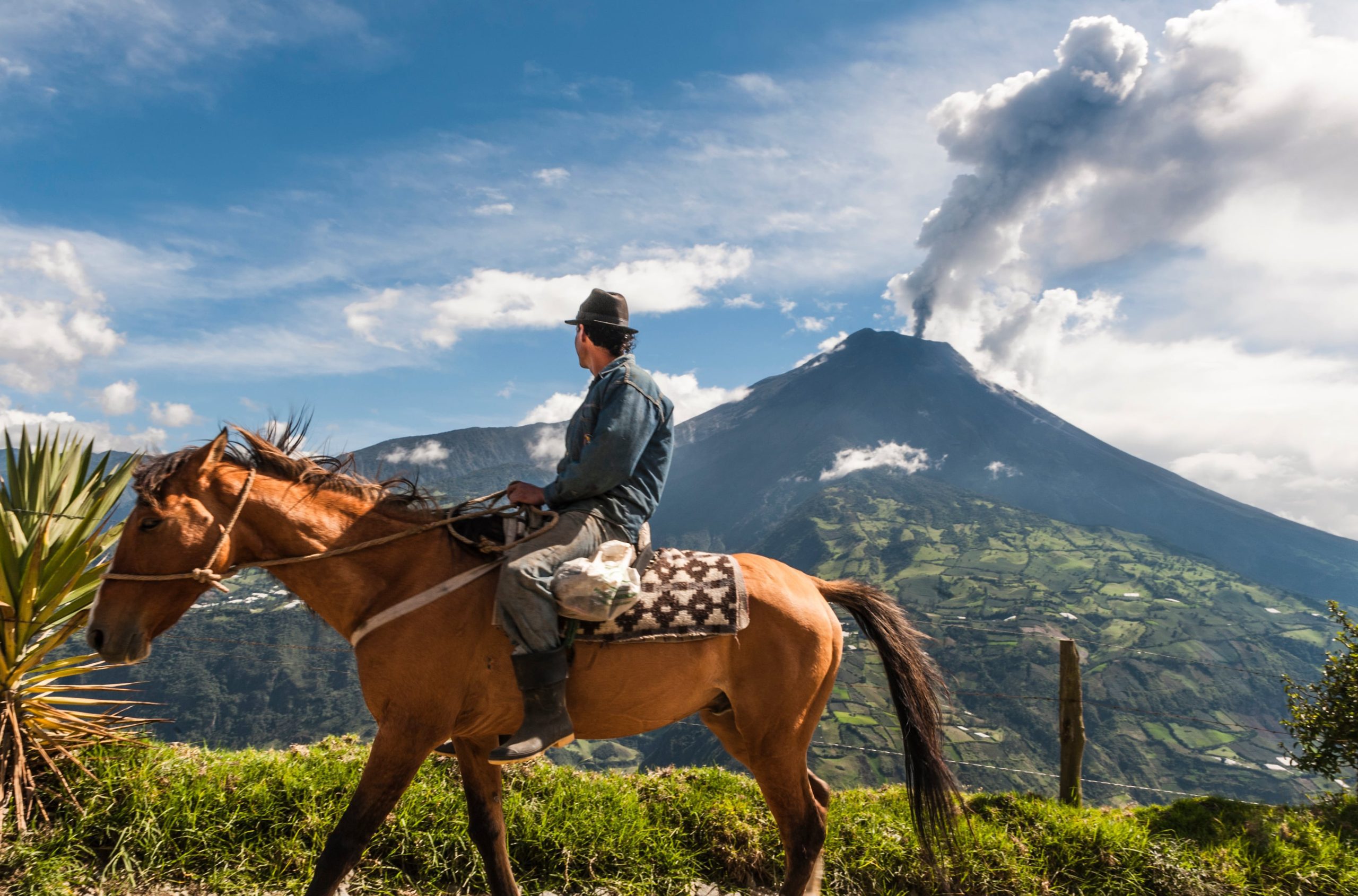
The brochures scream luxury, the Instagram feeds drip opulence, and the price tags? Well, they often make your eyes water faster than chopping a particularly potent onion. For many of us, the world’s most idyllic islands – those sun-drenched havens often topping the “best African islands” lists and their Atlantic counterparts – shimmer like beautiful, unattainable dreams. But what if I told you that beneath the five-star veneer, there’s a vibrant, authentic, and astonishingly affordable pulse? What if I said that even in these playgrounds of the perceived rich, you can slip into the local rhythm, feast like a king on a pauper’s budget, and create memories richer than any thread count?
It’s all about knowing the secrets, the local hacks, and, crucially, how to kickstart your adventure with a flight that doesn’t break the bank. Pair those tips with Ovago’s knack for sniffing out unpublished fares, and your dream escape suddenly costs a fraction of what the honeymooners next door paid. Let’s dive in!
Read in this post:
Seychelles

The sand on Beau Vallon squeaks like fresh snow, a reminder that even the best African islands can be wallet-friendly if you know the local rhythm. I learned that rhythm at dawn, sprint-paddling a pirogue past granite boulders while flying-foxes flapped overhead – an experience that cost exactly seven Seychellois rupees (about 50 cents) for the bus ride to the launch point.
When to Go: April-May & October-November
Getting There from the US: JFK → Doha (Qatar Airways) → Mahé; recent economy round-trip from $1,050
Safety Rank: 81st on the 2025 Global Safety Index; US State Dept advisory: Level 1 – “Exercise Normal Precautions.”
Tips for a great stay:
- Stay local, live large. Forget over-water villas; opt for tidy Creole guesthouses such as My Paradise in Baie Lazare from $81/night – sea view, coconut palms, and a kitchen for your market finds. Toss in a self-catering studio on Praslin for under $120 and you’ve unlocked the islands’ two-fer magic without melting the credit card.
- Getting around is half the adventure. Public buses trundle every corner of Mahé and Praslin on that flat R7 fare, windows wide to rainforest perfume. Ferries stitch the archipelago together – think Mahe → Praslin on Cat Cocos for €60 (~$65) one-way – cheaper than a sunset cocktail at most resorts.
- Eat like a fisherman, pay like a student. Skip hotel buffets and follow the lunchtime aroma to takeaway vans: grilled red snapper, rice, and uthentic chilli-mango chatini for about SCR 40–70 ($3–5). For splurge nights, Creole curry at Marie-Antoinette in Victoria runs ~$18 – still friendlier than your local sushi spot.
Seychelles proves you can sip a fresh coconut beneath a billion-dollar sunset without a billion-dollar bill. Pack reef-safe sunscreen, respect the fragile ecosystems, and you’ll leave with a lighter wallet than the honeymooners next door – yet the same indelible memory of moonlight dancing on turquoise water.
Mauritius
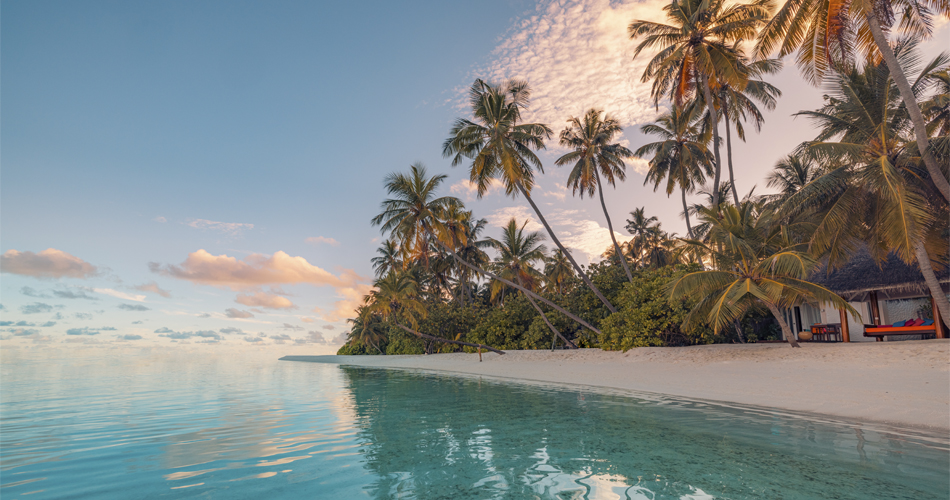
Slip on a pair of flip-flops still dusted with coral sand and let me show you why Mauritius – often crowned the safest of the best African islands – can be explored on a backpacker’s budget without sacrificing one iota of Technicolor bliss.
I kicked things off in Blue Bay, where studios start around $60 a night – the kind of price that lets you swap infinity-pool envy for real infinity: the lagoon unfurling in fifty shades of turquoise outside your window. A morning snorkel reveals parrotfish the color of Mardi Gras beads; the only ticket required is a handshake with Benoît, the beach-chair guy who rents masks for MUR 450 ($10).
When to Go: May-June & September-early December (dry, sunny, fewer cyclones)
Getting There from the US: MIA → Istanbul (Turkish Airlines) → Port Louis; recent economy round-trip from $1,070
Safety Rank: 92nd on the 2025 Global Safety Index; US State Dept advisory: Level 1 – “Exercise Normal Precautions.”
Tips for a great stay:
- Move like a local. Public buses criss-cross the island for MUR 14–35 (≈ $0.30–0.75) a ride – windows flung wide for sugar-cane perfume and Sega beats crackling from the driver’s radio. If you need speed, the new Metro Express tram glides from Port Louis’ colonial facades to the shopping mecca of Rose Hill for under a dollar.
- Eat where the queue is longest. On the Caudan Waterfront, I joined office workers lining up for dholl puri – curried bean flatbread – at MUR 35 ($80) and washed it down with fresh sugar-cane juice that tasted like liquid sunshine.Splurge nights? A Creole seafood platter at beach-shack institution Chez Tino rings in at roughly $22, sunset over Île aux Aigrettes thrown in for free.
- Mix & match transport. Combine a budget flight into MRU with an outbound leg on an award ticket – Emirates Skywards frequently releases saver seats via Dubai, trimming hundreds off the return fare.
- Chase the “vindaye” stalls. Look for yellow curry signs after 6 p.m.; a hearty fish vindaye runs ~$4, beating resort buffets hands-down.
Mauritius might be marketing gold for honeymooners, but scratch beneath the luxe veneer and you’ll find a Creole-Indian-French melting pot where frangipani blossoms rain onto budget travellers, too. Just remember reef-safe sunscreen and an appetite for chilli relish – it’s the island’s unofficial passport stamp.
From Blog to Boarding Pass
One-click secures flights, payment flexibility, and 24/7 Ovago backup for your island adventure.
Zanzibar (Tanzania)
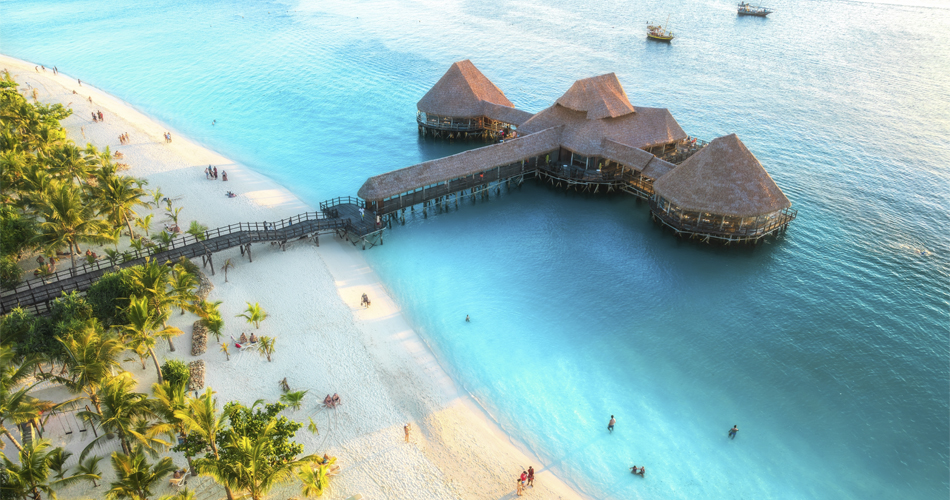
Zanzibar, one of the best African islands, whispered tales of sultans, slave traders, and spice routes, and I was determined to hear them without emptying my own modest coffers. Forget the glossy brochures of private-island opulence for a moment; the true magic of Unguja (the main island’s proper name) pulses just beneath that surface, accessible to anyone with a sense of adventure and a smart approach to their shillings.
I quickly learned that the island’s rhythm beats strongest away from the all-inclusive fortresses. My first foray into local life was a dala-dala ride – a brightly decorated, open-sided minibus – from Stone Town to the northern beaches. It was a masterclass in controlled chaos, communal laughter, and expert passenger-packing, all for less than a dollar. This, I thought, is how you truly arrive.
Zanzibar isn’t just about pristine beaches (though it has those in spades); it’s about the vibrant culture that thrives just steps from the sand. It’s knowing that the island where Freddie Mercury took his first steps also cultivated cloves so fragrant they once scented the entire globe. It’s about getting delightfully lost in the labyrinthine alleys of Stone Town, a UNESCO World Heritage site, where intricately carved wooden doors tell stories of bygone eras, each one a silent testament to the island’s rich Omani, Indian, and African heritage.
When to Go: June – October (dry season) & mid-December – February (short, sunny spell)
Getting There from the US: JFK → Istanbul (Turkish Airlines) → Zanzibar; recent economy round-trip from $980
Safety Rank: 73rd on the 2025 Global Peace Index; U.S. State Dept advisory Level 2 – “Exercise Increased Caution.”
Tips for a great stay:
- Stay local, sleep soundly. Guest-houses in Nungwi average $45/night (A/C, mosquito nets, and sand-between-the-toes breakfasts).
- Hop on Zanzibus. Island shuttles run Stone Town ↔ Nungwi once daily for $12 – windows down, reggae up.
- Eat where the dhows dock. At Forodhani, agree on prices first; no single snack should top $4.
- Spice it up for less. Half-day farm tours – including coconut-tree acrobat demos – go for $15–20 when booked direct with guides at Darajani Market.
- Stone Town’s Secrets are Free: The greatest joy of Stone Town is simply wandering its maze-like streets. Admire the famous carved doors, visit the Old Fort (often free entry or a nominal fee), and soak in the atmosphere of the bustling Darajani Market. You can spend days exploring without spending much more than the cost of a fresh passionfruit juice ($1) from a street vendor.
Zanzibar proves that the allure of an exotic island doesn’t need to come with an exclusive price tag. Pack light, bring an open mind, learn a few Swahili phrases (“Jambo!” for hello, “Asante sana” for thank you very much), and you’ll discover an island rich in history, culture, and natural beauty that’s surprisingly accessible.
Bazaruto Archipelago (Mozambique)

They call Bazaruto the “Pearl of the Indian Ocean,” and it’s easy to see why. Towering sand dunes plunge into turquoise bays, flamingos paint the lagoons pink, and the underwater world is a kaleidoscope of coral and marine life, including the elusive dugong. It’s a place where time seems to stretch and worries dissolve with the outgoing tide. My mission? To soak in this raw, untamed beauty without succumbing to the five-figure price tags often associated with such pristine Edens. It turns out, with a bit of local savvy and a willingness to embrace simplicity, Bazaruto can share its treasures generously. The archipelago is a national park, a testament to Mozambique’s commitment to preserving this unique ecosystem, and its magic isn’t just reserved for the ultra-wealthy.
When to Go: June – October (long, dry winter) & late May / November shoulder weeks for calm seas and clear diving
Getting There from the US: JFK → Johannesburg (Delta or United/SAA codeshare) → Vilanculos (VNX) on LAM; recent economy round-trip deals from $1,731
Safety Rank: 121st on the 2025 Global Peace Index; U.S. State Dept advisory Level 2 – Exercise Increased Caution
Tips for a great stay:
- Sleep dhow-side. In Vilanculos, tidy beach lodges like Casa Babi start around $45/night with breakfast and lagoon views – perfect staging for island day trips.
- Book the public ferry. Island transfers on the government boat cost ≈ $25 one-way – slower than a resort speedboat but three times cheaper and just as scenic.
- Dive on a dime. Pair your snorkel safari with an afternoon sunset cruise (just $35 pp) instead of a separate whale-watch charter
- ATM strategy. Cash is king. Swipe an ATM in Vilanculos before sailing; island prices jump 10-15 % when you pay in USD.
- Time the tides. Low-tide mornings unveil mirror-flat sandbanks – free natural infinity pools ideal for drone shots and shell hunts.
- Hack the fare. Mix-and-match: fly cash JFK–JNB, then redeem Airlink or United MileagePlus awards (18 k miles + taxes) for the short hop to Vilanculos – often $250 saved off the return leg.
Bazaruto proves you can sip coconut water under a billion-star sky without torching your savings. Pack reef-safe sunscreen, greet fishers with a cheerful “Bom dia!,” and you’ll sail home richer in stories than the honeymooners next door – yet with the same indelible memory of moonlight glinting off snow-white dunes.
Canary Islands (Spain)
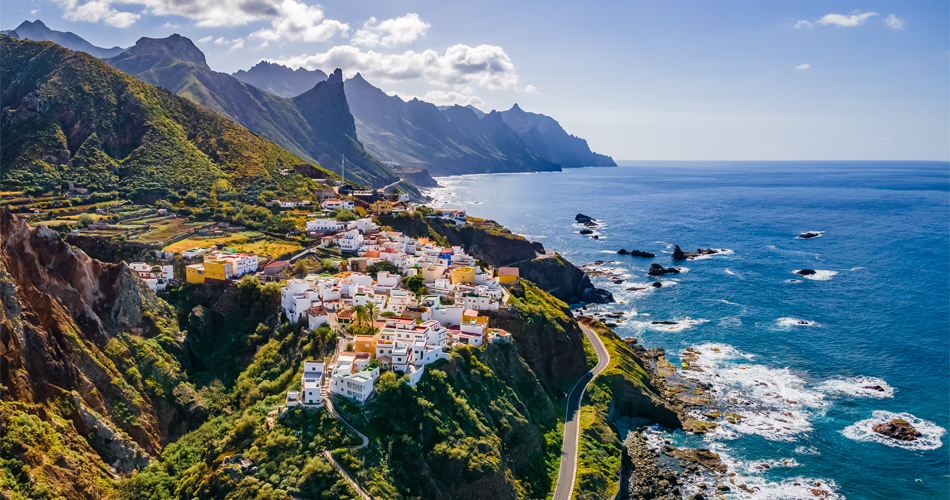
While technically part of Spain, these islands, scattered just off the coast of Morocco, possess a wild, almost primal energy that whispers of the best African islands yet dances to a distinctly European rhythm. I quickly discovered that each island has its own personality, a mini-continent in itself. From the lunar landscapes of Lanzarote, shaped by Timanfaya’s fiery breath, to the pine-clad caldera of La Palma, the “Isla Bonita,” there’s a universe to explore beyond the beach. And the beaches! Golden dunes in Maspalomas (Gran Canaria) that make you think you’ve stumbled into the Sahara, black volcanic sands that sparkle under the Atlantic sun, and hidden coves accessible only by a scenic hike.
It’s knowing that these islands were once considered the westernmost edge of the known world, a stopping point for Columbus. It’s about tasting papas arrugadas (wrinkly potatoes) with mojo sauce, a culinary punch that costs next to nothing but delivers a fiesta to your taste buds.
In La Laguna, a UNESCO city, baroque facades hide cafés serving cortado leche y leche for $2 while university students debate surf breaks and star trails. Come nightfall, the Ruta de la Tapa rolls out $5.50 nibble-plus-vino bargains; follow the garlic-paprika perfume until your stamp card looks like modern art.
When to Go: March–May & September–November (warm skies, thinner crowds, lower hotel rates)
Getting There from the US: JFK → Madrid (Iberia) → Tenerife; recent economy round-trip deals from $363 with one stop
Safety Rank: 46th on the 2025 Safety Index; U.S. State Dept advisory: Level 2 – “Exercise Increased Caution.”
Tips for a great stay:
- Sleep Canarian-chic. Hostels such as Patio Hostel in La Laguna run from €17 ($18) dorm / €20 private – terra-cotta patio, communal kitchen, volcano views.
- Ride green & cheap. TITSA’s unlimited 24-h bus ticket is $11; some routes are even free for frequent riders – ask at the station kiosk.
- Island-hop for pocket money. Fred Olsen Express sails Tenerife ⇄ Gran Canaria in 80 min for €45 ($48) for non-residents when booked online a week out.
- Hike high at zero cost. Teide National Park trails are free; summit permits (limited) cost nothing – reserve online two months ahead.
- Tapas on a shoestring. During July’s Ruta de la Tapa, creative bites + drink run $4.50 – cheap culinary sightseeing that doubles as a walking tour.
- Stargaze like Galileo. Roque de los Muchachos viewpoint on La Palma is free; pack a €1 gas-station coffee and let the Milky Way pick up the tab.
The Canary Islands prove that you can have a European island getaway with an exotic twist. And we move on to the last magnificent island in this article.
Réunion (France)
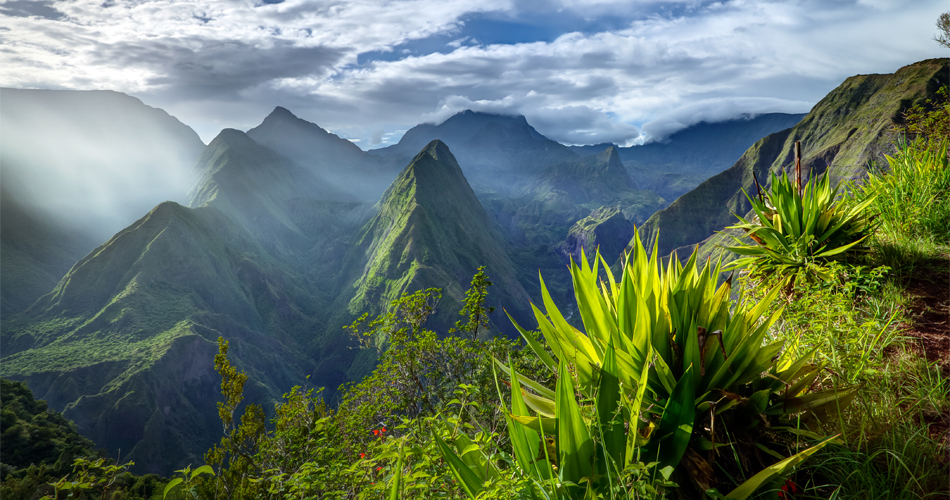
This isn’t your average tropical escape; it’s a colossal green giant rising from the Indian Ocean, a French department that feels a world away from mainland Europe, yet pulses with a unique Creole heartbeat. While its dramatic landscapes might scream “exclusive adventure,” I discovered that this gem, often counted among the best African islands due to its location and unique environment, can be surprisingly kind to the wallet if you know where to look.
Forget the image of solely high-end resorts. Réunion’s true allure lies in its untamed interior: the three massive calderas known as “cirques” (Mafate,Salazie, and Cilaos), carved by ancient volcanic activity and now home to breathtaking hiking trails and tiny, isolated hamlets. I remember sharing a bumpy local bus ride – a “car jaune” – with chattering schoolchildren and farmers carrying produce, the air thick with the scent of ginger flowers and damp earth, all for a few euros. This island is a living, breathing testament to nature’s power, where waterfalls cascade down emerald cliffs and the French Tricolore flutters over bustling Creole markets.
When to Go: April – May & October – November
Getting There from the US: JFK → Paris-Orly (French Bee or Air France) → Saint-Denis (RUN); recent economy round-trips from $1,911 on Air France, with French Bee sale-combo fares sometimes dipping below $1,600
Safety Rank: 74th on the 2025 Global Peace Index; US State Dept advisory: Level 2 – “Exercise Increased Caution.”
Tips for a great stay:
- Sleep Creole-chic. Beach-view lodges like Casa Floria in St-Gilles start near $45/night—private verandas, homemade jam, lagoon sunsets.
- Ride yellow. A Car Jaune 24-h ticket is $6; longer stays can grab the Réuni’Pass (unlimited travel for a month at $62).
- Time the volcano. Book the free online permit for Piton de la Fournaise summit and start hiking by 4 a.m.—clouds roll in after 10.
- Market-hop Fridays. Saint-Paul’s seaside bazaar dishes out snacks and souvenirs at less than half supermarket prices—perfect picnic fodder for the black-sand beaches.
- Swap wheels smartly. Rent a compact for ≈ €35/day only on days you’re exploring the high‐country switchbacks; buses cover the coast cheaply the rest of the week.
- Hack the fare. Pay cash to Paris with a French Bee sale ticket, then redeem Flying Blue miles (from 17.5 k + taxes) on Air Austral or Air France for the CDG → RUN leg—often chops $300–$400 off the return.
Pack your sturdiest hiking boots, a sense of adventure, and a willingness to embrace the local way of life, and you’ll discover an island that truly redefines “getting away from it all.”
Final Word
Paradise isn’t reserved for platinum cards. All it asks is curiosity, a well-timed shoulder-season ticket, and the confidence to swap poolside champagne for fresh coconut juice on a public beach. Now that you’ve seen the hacks—guesthouses under $60, bus rides for loose change, lobster dinners for the price of an airport coffee—the only step left is getting there. Search Ovago for those tucked-away flight deals, throw reef-safe sunscreen in your pack, and go prove that luxury and thrift can share the same hammock. Island sunsets wait for no one.