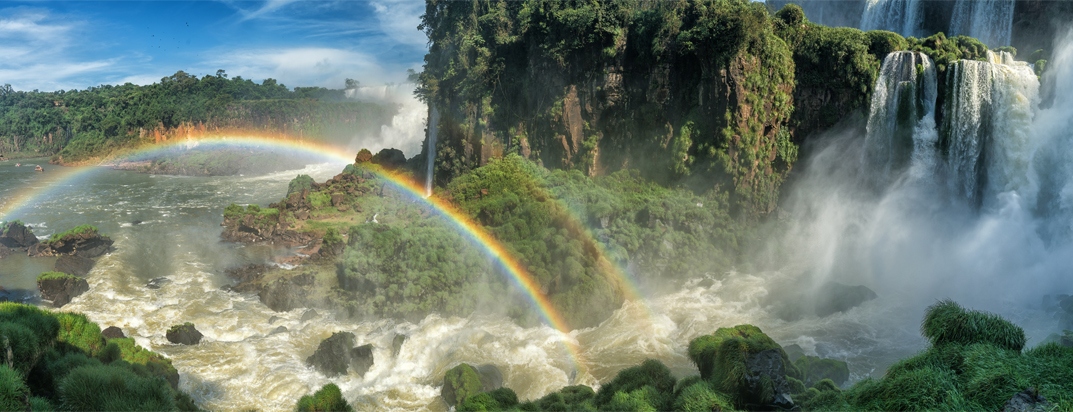

Two countries, 275 separate cascades, and one thunderous masterpiece called Devil’s Throat Iguazu—this place feels like Mother Nature hit the “extra large” setting. It’s no wonder Iguazu Falls was crowned one of the New 7 Wonders of Nature in 2011.
If you’re planning your 2026 bucket list, Iguazu Falls tours should be at the very top. Not only will you experience nature’s raw power up close, but you can also snag great deals on flights (thanks to Ovago’s flight specials) to make this dream trip a reality.
In this travel guide, I’ll walk you through everything: the best time to visit, how to get there from Buenos Aires or Brazil, Iguazu Falls hotels on both sides, insider tips, and more. Get ready to take on why Iguazu deserves that top spot on your 2026 must-see list! Discover more unique places worth adding to your bucket list.
Read in this article:
Quick-Glance Facts
Let’s start with some quick facts to set the stage:
- Location: Iguazu Falls straddles the border between Argentina (Misiones Province) and Brazil (Paraná State), with two national parks protecting it (one in each country). The falls lie near the towns of Puerto Iguazú (Argentina) and Foz do Iguaçu (Brazil), not far from where those two countries meet Paraguay.
- Waterfalls: Approximately 275 individual falls (cataracts) make up the Iguazu Falls system, spanning about 2.7 kilometers (1.7 miles) along the Iguazu River. (For comparison, that’s wider than Niagara Falls.) The tallest drop is at Devil’s Throat, about 80 meters (262 feet) high – roughly the height of a 30-story building!
- UNESCO Status: Both the Argentine and Brazilian sides are UNESCO World Heritage Sites (designated in 1984 and 1986, respectively) due to their spectacular natural beauty and biodiversity. You’ll be exploring a protected subtropical rainforest teeming with wildlife.
- Ideal Trip Length: Plan for at least 2 full days to experience Iguazu Falls – one day per side is ideal. Many travelers spend 3 days to soak it all in (and maybe do extra tours). If you’re coming from afar, consider a week that includes Iguazu plus a big city like Buenos Aires or Rio. Later in this guide, we’ll outline sample one-week and two-week itineraries and budgets.
When to Visit Iguazu Falls — Quick Guide
- Summer (Dec–Feb): Peak water flow and thundering Devil’s Throat, but expect 90 °F heat, heavy rain, occasional trail closures, and holiday crowds.
- Winter (Jun–Aug): Cooler 70 °F days, lighter crowds, and easier hiking; water volume dips slightly yet remains impressive.
- Fall (Mar–May) & Spring (Sep–Nov): Ideal middle ground—strong cascades, moderate temps, lush jungle, and fewer tourists outside major holidays.
Pro tip: I visited in April and it was perfect – warm but not sweltering, and the Devil’s Throat was absolutely raging!
Flying from the US to Argentina or Brazil
Reaching Iguazu Falls from the United States involves some planning – it’s not as simple as a direct flight to one airport. But don’t worry; it’s straightforward once you know the route options.
Most US travelers need first fly into a major gateway city in South America:
- Via Argentina: Fly into Buenos Aires (B.A.), Argentina’s capital. Ezeiza International Airport (EZE) handles most flights from the US (direct routes from cities like Miami, New York, Atlanta, etc., usually around 9–11 hours). Ovago often highlights good deals for round-trip flights to Buenos Aires, so watch out. Another Buenos Aires airport, Aeroparque (AEP), handles many domestic flights – more on that soon.
- Via Brazil: Fly into a Brazilian hub like São Paulo (GRU) or Rio de Janeiro (GIG). There are nonstops from the US (Miami, New York, Houston, etc.) to these cities, typically 8–10 hours overnight. From there, you can catch a domestic flight to Foz do Iguaçu. Occasionally, you might find flights via other South American cities (Lima, Panama City) connecting to Iguazu.
Ovago Flight Deal Tip: If you want to visit both Argentina and Brazil on your trip, consider booking an “open-jaw” ticket: for example, fly into Buenos Aires, return home from Rio de Janeiro, and connect the two with a stop at Iguazu in between. Ovago’s Mix & Save feature excels at piecing together multi-city itineraries – you can often combine airlines and routes for a better price.
Connecting to the Falls (Buenos Aires to Puerto Iguazú)
Once you’re in Buenos Aires or São Paulo/Rio, you’re just one short flight away from the waterfalls.
From Buenos Aires to Puerto Iguazú (Argentina’s side), fly 1 h 45 m–2 h nonstop from the city’s domestic airport (AEP) on Aerolíneas Argentinas or JetSmart. Fares run $100–$200 round-trip when booked early. Overnight buses are cheaper but take 17–18 h, so most travelers choose the quick hop. Puerto Iguazú’s tiny jungle airport (IGR) sits just 20 minutes from both town and the park entrance.
From São Paulo/Rio to Foz do Iguaçu (Brazil’s side), Fly Azul, LATAM, or GOL: 1½–2 h, $100–$250 RT when booked early.Foz do Iguaçu (IGU) also gets direct flights from Brasília, Curitiba, and more. Buses or driving take about 15 h, so flying wins for time. Once you land in Foz do Iguaçu (IGU), you’re only 15 minutes from the national park entrance or downtown Foz.
No matter which country you fly into, getting to Iguazu is pretty painless. And here’s a plus: Puerto Iguazú (IGR) and Foz do Iguaçu (IGU) airports are very close to the falls – you won’t spend half a day on transfers.
From Blog to Boarding Pass
One-click secures flights, payment flexibility, and 24/7 Ovago backup for your Iguazu Falls adventure.
Cross-Border Logistics & Park Tickets
One of the coolest aspects of visiting Iguazu is that you can experience it from two countries. Here’s what you need to know about visas, border crossings, and park admissions:
Visa Requirements: If you’re from the US (or Canada/Australia), note that Argentina does NOT require a visa for tourist stays (90 days). Just bring your valid passport. Brazil, on the other hand, has changed its rules: starting in 2025, US citizens need a tourist visa (e-visa) to enter Brazil. The process is online and fairly quick, but do apply a couple of weeks before your trip. Travelers from EU countries currently don’t need visas for either Brazil or Argentina, but always double-check current requirements.
Important: Always get stamped out/in when crossing – even if border officers wave locals through – otherwise, you could have issues when leaving the country.
National Park Tickets: Argentina and Brazil each have their own national park with separate entry fees. Iguazú National Park (Argentina) tickets cost around ARS 7,000–10,000 (roughly USD $20–$25 for foreign visitors). You can buy online in advance or at the gate (credit cards accepted). If you plan to visit a second day on the Argentina side, save your ticket stub – they often offer around 50% off the second day if you return the next day. Iguaçu National Park (Brazil) tickets cost roughly BRL 100 (about USD $18–$20). Both parks have lower prices for local residents or Mercosur citizens, but foreigners pay the top tier – still quite reasonable for what you get.
Pro tip: go early in the morning to beat tour groups, especially on the Argentine side where lines can form at opening time.
Getting Around Inside the Parks: The Argentine park is larger with more walking trails; it has a handy ecological train that shuttles visitors from the entrance area to trailheads (including the Devil’s Throat trail). The Brazil park has a bus that runs from the visitor center to various viewpoints and trails. Both systems are included in your ticket. If you’re self-driving, you can park at either visitor center for a small fee.
Argentina Highlights (Iguazú National Park, Argentina)
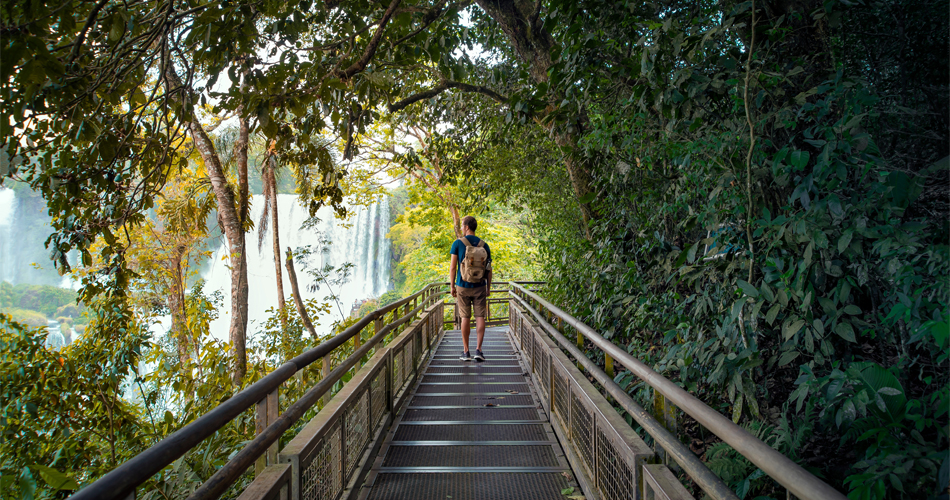
The Argentine side is all about immersive, up-close encounters with the falls. You’ll feel the spray on your face and hear the jungle sounds around you. Don’t miss:
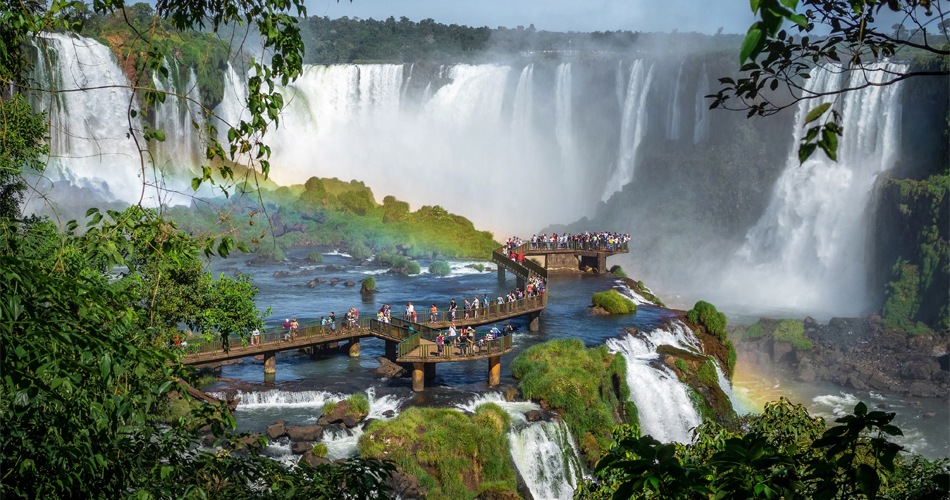
- Devil’s Throat Walkway: Hop the park train, then walk a 1-km catwalk over the river to Iguazú’s main spectacle. At the platform, you’ll stare into an 80-m plunge that hurls millions of gallons per second—mist will soak you, so cover your camera. Go at sunrise or near closing to dodge crowds. Time it with the park’s limited full-moon tour, and you may even spot a lunar rainbow in the spray.
- Upper & Lower Circuits: These are two well-marked trail loops that let you explore a variety of falls from different angles. The Upper Circuit takes you along the top of some falls, giving panoramic views from above. The Lower Circuit winds closer to the base of the waterfalls, where you can feel their power up close and maybe spot rainbows. Together, these trails showcase dozens of cascades (like Bosetti, Two Sisters, San Martín) amid the lush jungle. Expect to encounter friendly butterflies everywhere and possibly some cheeky coatis (raccoon-like animals) looking to snatch snacks – hold onto your stuff!
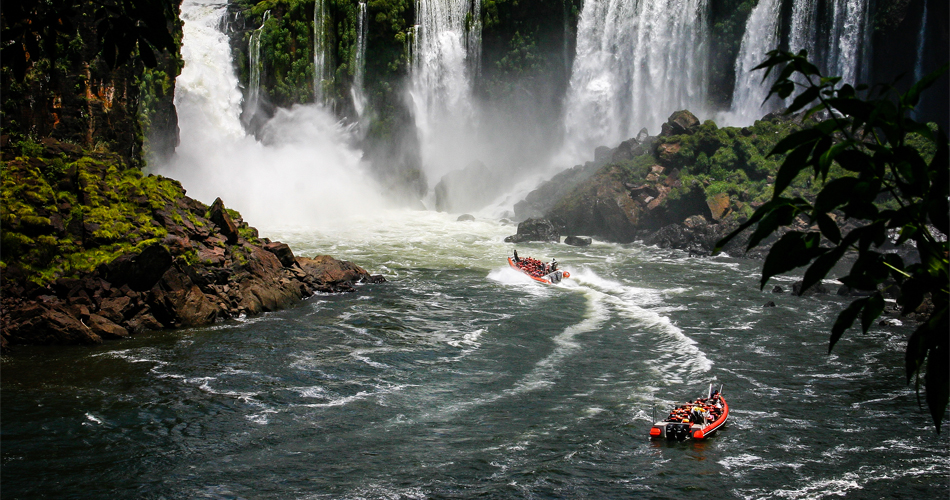
- Boat Adventure (Gran Aventura): For adrenaline junkies, the Argentine side offers a speedboat excursion that takes you right under the waterfalls. You’ll hop in a powerboat on the river and zoom into the spray of Salto San Martín and even near the base of Devil’s Throat – it’s like a nature-approved shower times ten. You will get completely soaked (they provide dry bags for belongings). It’s an absolute blast feeling the force of the water up close. This tour usually also includes a 4×4 jeep ride through the rainforest. It’s not cheap (around $70-$100) but totally worth it for the once-in-a-lifetime thrill.
Brazil Highlights (Iguaçu National Park, Brazil)
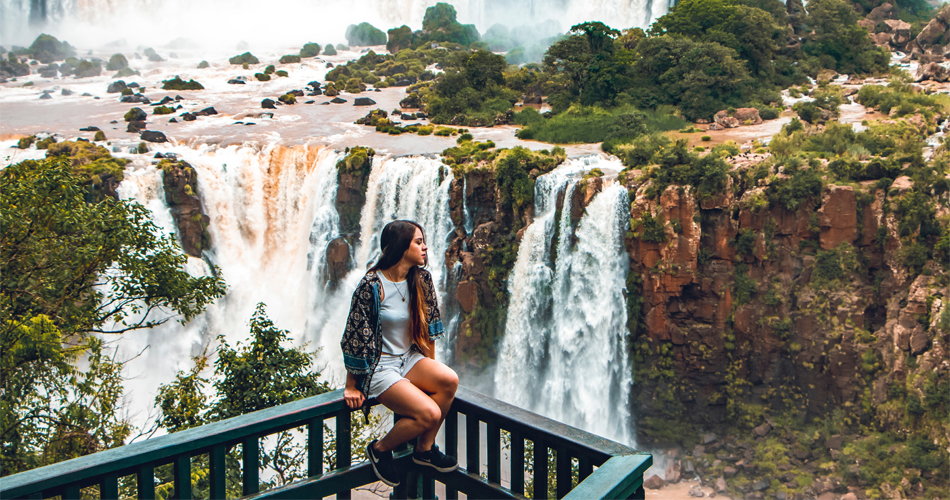
The Brazilian side offers a big-picture panorama of the falls. Many say Argentina has the falls, but Brazil has the view – and it’s true, the vistas here are breathtaking:
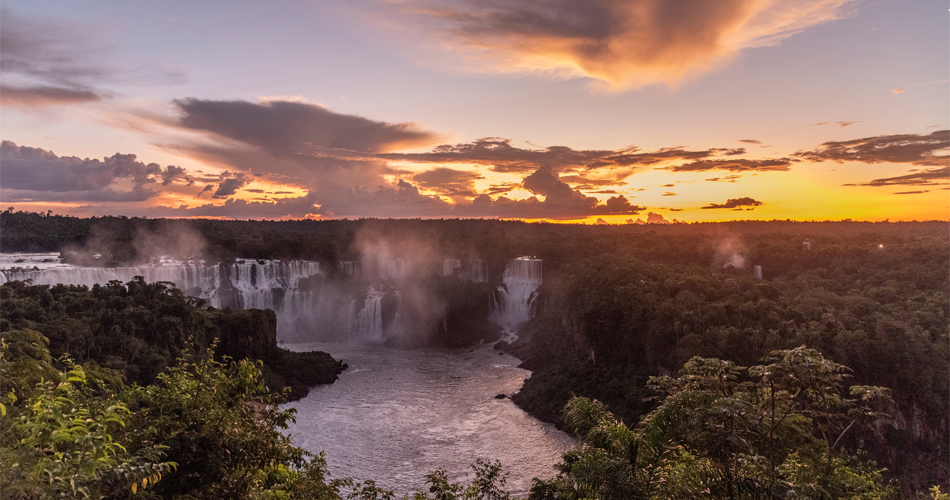
- Panoramic Trail: From the visitor center, a park shuttle bus will drop you at the start of a paved trail that runs along the canyon rim. As you walk, you’ll get sweeping views of nearly the entire stretch of falls across the way in Argentina – talk about a postcard moment! There are multiple viewpoints perfect for photos. You’ll see the mist rising from Devil’s Throat and a continuous curtain of waterfalls pouring from the jungle. The trail is about 1.2 km (0.75 miles) and not difficult. Along the way, you might spot rainbows and lots of tropical birds (toucans if you’re lucky!).
- Devil’s Throat Balcony & Elevator: Towards the end of the trail, you come to Brazil’s pièce de résistance – a catwalk that extends out over the river at the base of Devil’s Throat. Here, you’re literally surrounded by waterfalls on three sides, feeling the mighty spray and hearing the thunder above you. It’s an incredible perspective looking up at the U-shaped Devil’s Throat from below. (Have a rain jacket – you’ll need it!). From this platform, an elevator and stairs take you up to an upper deck with one more panoramic overlook. This spot offers a fabulous view back toward the falls and is a great finale to the trail.
- Parque das Aves (Bird Park): Just outside the national park entrance (in Foz do Iguaçu) is a famous bird park that’s worth a visit if you have time. It’s a lush sanctuary housing hundreds of tropical birds – think parrots, macaws, flamingos, and the iconic toucans – many of which you can see up close in walk-through aviaries. It’s both a conservation center and an interactive zoo; a perfect add-on especially for families or nature lovers. Plan 1-2 hours here.
- Brazilian Helicopter Ride: One unique offering on the Brazil side is helicopter flights over Iguazu Falls. Argentina doesn’t allow heli tours (noise restrictions), but Brazil does. A 10-minute chopper ride gives you a jaw-dropping aerial view of the entire falls system and the surrounding rainforest. Seeing the 275 waterfalls from above is truly unforgettable (and you can grasp the scale so much better). It’s pricey though – roughly $150-$200 per person. If it’s in your budget, go for it; if not, you’ll still get amazing views from the ground.
Bonus Excursions & Experiences
Aside from the main park attractions, consider these bonus experiences to make your Iguazu trip even more special:
- Full-Moon Walk: Time your visit with the full moon and you can join a guided night tour on the Argentina side. Only five nights a month, the park re-opens after dark for a magical moonlight walk to Devil’s Throat. You’ll ride the train and then walk the boardwalk under the stars, with the falls glowing in the moonlight. On a clear night, you might witness a silvery lunar rainbow in the mist – pure magic. These tours are popular, so reserve in advance if possible (your hotel can help or book on the official park site).
- Itaipu Dam Tour: If engineering marvels interest you, the Itaipu Dam (once the world’s largest hydropower dam) is located about 40 minutes from Foz do Iguaçu. They offer guided tours where you can see the massive dam structure and learn about hydroelectric power. There’s even a nighttime illumination show on certain days. It’s an interesting side trip, especially on a longer stay or if you have a rainy day with time to kill.
- Visit Three Borders Landmark: Both Puerto Iguazú and Foz do Iguaçu have “Hito Tres Fronteras” lookout points where you can see the junction of Argentina, Brazil, and Paraguay divided by the rivers. Each country has its obelisk monument painted in national colors. It’s a fun quick stop for a photo of you in one country viewing the other two across the water.
- Local Culture in Puerto Iguazú: On the Argentina side, spend an evening in town enjoying a traditional Argentine steak (or try local river fish like surubí) and some Malbec wine. There’s also a small artisan market. While Iguazú is all about nature, a bit of cultural R&R is a nice complement to the waterfall adventures.

Practical Tips & Mistakes to Avoid
Before you embark on your Iguazu Falls tour, here are some practical tips to make your trip smooth and enjoyable, plus a few common mistakes to avoid:
- Pack for a Soaking: Even if you don’t take a boat ride, you will get wet from the falls’ spray, especially at Devil’s Throat and on the Brazilian boardwalk. Bring a light rain jacket or poncho, and consider a waterproof cover for your phone/camera. Quick-dry clothing and waterproof shoes or sandals are your friends (soggy sneakers aren’t fun).
- Bug Spray & Sunscreen: The Iguazu area is a subtropical rainforest – meaning mosquitoes (especially in muggy months) and strong sun when it’s clear. Apply insect repellent with DEET to fend off bites, and lather on sunscreen. A wide-brim hat isn’t a bad idea either for those sunny trail walks. Stay hydrated too; carry water, as the humidity can be intense.
- Protect Your Food from Coatis: Those cute coatimundis roaming the park may look friendly, but they are notorious food thieves! Do not feed them (it’s bad for them, and they can bite). Keep snacks secured; I watched a coati jump on a table and snatch a tourist’s sandwich in a split second. Also, watch out for capuchin monkeys in the trees on the Argentina side – they’re crafty with food, too.
- Start Early & Avoid Weekends: If you can, visit the parks on weekdays. And try to arrive right at opening time (around 8:00 AM) to beat the crowds and tour buses. This is especially key for the Argentine side, which gets busier and takes longer to see fully. We showed up at 8 and had the Devil’s Throat platform nearly to ourselves for a few magical minutes. By 10 AM, it was packed. Early bird gets the best photo ops!
- Plan the Order of Sides: A frequent question is which side to see first. There’s no wrong answer, but many recommend doing the Brazil side first (half day for an overview), then spending a full day on the Argentina side to delve deeper. This way, you save the grand finale for last.
- Cash and Currency: In Puerto Iguazú (Argentina), you’ll use Argentine pesos; in Foz (Brazil), it’s Brazilian reals. Credit cards are widely accepted for tickets, restaurants, etc., but it’s wise to have some local cash for things like buses, small vendors, or taxi tips. There are ATMs in both towns (note: Argentina’s ATM fees can be high).
- Stay Safe: Iguazu is generally very safe for tourists. Still, standard precautions apply: watch your step on wet trails (those falls viewpoints can be slippery), don’t leave bags unattended (monkeys aren’t the only thieves – petty theft can happen anywhere), and use registered taxis or tour services. At night, the towns are quiet but stick to lit areas or have your hotel call a taxi if you go out to dinner late.
Follow these tips, and your Iguazu trip will be all pura vida and no stress. It’s mostly common sense – with an extra dash of waterproofing and pest protection!
Read also: Sri Lankan Tea Plantation Tour: What to Know
Final Inspiring Close
Picture sunlit rainbows arcing over jungle, the roar so loud you feel it in your ribs, and your passport racking up stamps from two countries in the same afternoon. That’s the double-dose magic of an Iguazu Falls tour—and it’s easier than ever, thanks to Ovago’s flight-finding wizardry. Lock in your seat before prices spike, snag those front-row catwalk tickets, and let nature’s biggest show splash you silly. See you in the spray!