
4 flight classes explained in this post are economy, premium economy, business, and first class. Each offers a different level of space, service, and price, but not all are available on every flight. Short-haul aircraft often include only economy and business. Long-haul planes are more likely to offer all four. At the same time, airline cabin strategies are changing, with some classes expanding and others becoming less common. Here’s how these flight classes differ and how to choose the right one for your trip.
Read in this article:
What are the 4 types of flight classes
- Economy: Expect standard seating with basic service, typical on almost all airlines and routes. Examples to/from or within the US include Delta Air Lines, American Airlines, United Airlines, and Southwest Airlines. Some low-cost carriers like Spirit Airlines and Frontier Airlines offer only economy (no premium cabins).
- Premium economy: You can enjoy more legroom, wider seats, and upgraded meals. This class is mostly available on long-haul flights. Examples are Delta Air Lines (Premium Select), American Airlines, United Airlines, and British Airways.
- Business: Priority services, lounge access, and lie-flat seats on long-haul routes are standard. Think Delta Air Lines (Delta One), United Airlines (Polaris), American Airlines (Flagship Business), and Qatar Airways.
- First: This is the most exclusive cabin with suites, top-tier dining, and the highest crew attention. Airlines flying to/from the US with true first class include Emirates, Singapore Airlines, Air France, and All Nippon Airways. Airlines without international first class include Delta Air Lines, United Airlines, American Airlines (offer business as their highest long-haul cabin; “first” is often domestic only).
Next in the series: Domestic vs International Flight Booking Patterns Explained
Economy class: what you actually get
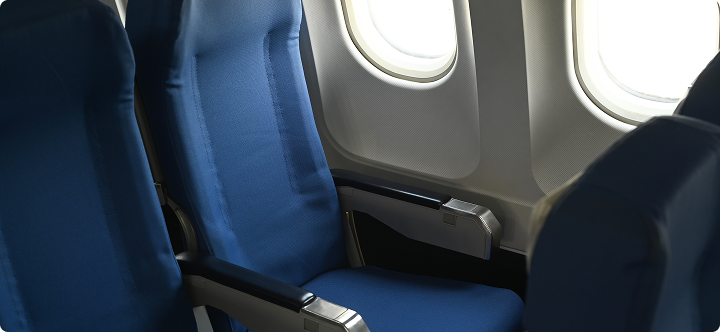
Economy class is the standard cabin on most flights, designed for affordability rather than space. Seat pitch typically ranges from 28 to 32 inches, with basic meal service on long-haul routes and buy-on-board or snacks on shorter flights. Entertainment may include a seatback screen or streaming to your device, depending on the airline and aircraft.
If you want to compare options, see:
- 10 Airlines with the Best Economy Class Seats
- 10 Best International Economy Class Airlines for US Travelers
- 5 Best US Domestic Airlines for Economy Class
Long-haul economy can still be challenging, especially on overnight flights. A few simple choices can make a noticeable difference in comfort.
How to make economy class more comfortable
- Pick your seat early. Window seats are better for rest, aisle seats make it easier to move.
- Choose the right aircraft. Not all economy experiences are the same. Seat comfort, legroom, and amenities can vary significantly by airline and plane type. For example, newer aircraft like the Boeing 787 or Airbus A350 often offer better cabin pressure, lighting, and quieter cabins.
- Avoid the last row. Limited recline and more cabin traffic can affect rest.
- Keep leg space clear. Store larger items overhead when possible.
- Move and hydrate. Standing and stretching regularly helps reduce fatigue.
The difference in space becomes clearer when you compare cabins side by side. Economy offers 28 to 32 inches of pitch, premium economy adds a few more at 34 to 38, but the move to business class changes the scale entirely. The upgrade is no longer in inches, but in feet.
Next in the series: How to Sleep on a Plane in Economy Class
What is premium economy?
Premium economy sits right between comfort and cost; a practical step up from economy that you actually feel. It’s built for travelers who want more space and calm without crossing into business-class territory.
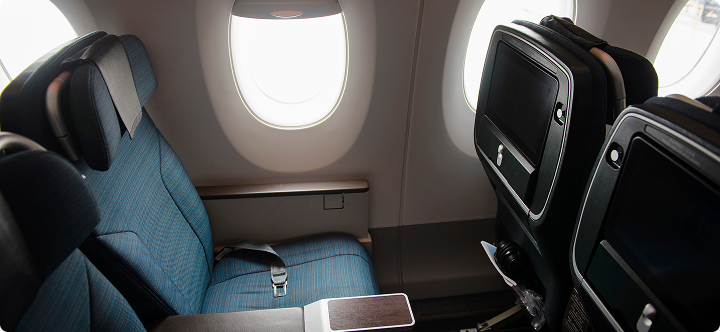
The difference shows up as soon as you settle in. The seats are wider, there’s more legroom, and the recline actually works. Meals come with better ingredients and presentation, and the cabin itself is larger and calmer. Many airlines include priority boarding and an extra checked bag in premium economy, which can make the airport experience smoother.
For example, British Airways and Virgin Atlantic offer priority boarding and increased baggage allowances in their premium cabins. Lounge access, however, is usually not included. A few airlines, such as Japan Airlines and All Nippon Airways, may provide lounge access on select routes or fares, but this remains the exception, not the standard.
In 2025, airlines deployed over 1 million premium economy seats between the US and Europe in a single quarter, a record high. This rapid growth reflects strong demand from long-haul leisure travelers and corporate flyers who want more comfort without paying business class prices. For travelers, this shift creates an advantage. Availability increases and pricing becomes more competitive. That means you’re more likely to find upgrade offers, better seat selection, or reasonable fares compared to a few years ago. If you’re planning a long-haul trip, premium economy is now one of the most accessible ways to improve comfort without a major jump in cost.
Next in the series: Our Full Guide to Premium Economy
Business class: what makes it different
Business class changes how you travel, not just how you sit. The main difference is space, privacy, and the ability to rest properly on long-haul flights.
On most long-haul routes, business class seats convert into fully lie-flat beds, typically 60 to 80 inches long. This is very different from angled-flat seats, which recline at an incline and are less comfortable for sleep. Today, most major airlines have moved to fully flat layouts, especially on intercontinental routes.
Seat design also varies by airline. For example:
- Qatar Airways offers its Qsuite with sliding doors for full privacy.
- Delta Air Lines operates Delta One suites with direct aisle access.
- Lufthansa combines lie-flat seats with a more open cabin layout depending on the aircraft.
Beyond the seat, the experience includes priority check-in, faster boarding, lounge access, and more attentive in-flight service. Meals are served in courses with upgraded ingredients. Long-haul flights often include bedding, amenity kits, and larger entertainment screens.
Why is business class so expensive
Business class pricing reflects a combination of space, cost, and service:
- Space per passenger. A lie-flat seat takes up several times more room than an economy seat, reducing the number of tickets an airline can sell.
- Complex seat design. Lie-flat seats require advanced engineering, regular maintenance, and certification, which increases costs.
- Service ratio. Fewer passengers per crew member means more personalized service and higher staffing costs.
- Food and drinks. Multi-course meals, premium alcohol, and flexible dining service significantly increase onboard catering costs.
- Airport experience. Lounge access, priority services, and dedicated check-in areas are built into the ticket price.
- Additional amenities. Bedding, amenity kits, and upgraded materials all add to the overall cost.
For airlines, business class generates a large share of revenue from a relatively small number of seats. For travelers, the value comes from arriving rested, especially on long-haul or overnight flights.
Not all business class seats are lie-flat. On short-haul flights, especially within the US and across Europe, business class is usually a wider recliner seat with more legroom and priority service. For example, Delta Air Lines, American Airlines, and United Airlines typically use recliner-style seats on domestic routes. In Europe, airlines like Lufthansa and Air France often offer the same seat as economy with a blocked middle seat in business class. To avoid surprises, check the seat type before booking. Tools like AeroLOPA can show whether a flight offers lie-flat seats or standard recliners. If you book with Ovago, our 24/7 support team can also confirm the exact cabin type and seat configuration before you finalize your ticket.
Book affordable flights with Ovago.
Enjoy steady deals, smart price alerts, expert help with complex routes, and flexible payment options.

Next in the series: How to Get Business Class Tickets for Cheap
First class vs business class: key differences
First class takes privacy and service beyond what business class offers. While modern business class already includes lie-flat beds and direct aisle access, first class typically adds fully enclosed suites, more personal space, and a higher crew-to-passenger ratio.
The difference is most noticeable in privacy and flexibility. In first class, you may have a private suite with closing doors, dine-on-demand service, and more personalized attention. In business class, the experience is premium but more standardized across passengers.
True international first class is now limited to a small group of airlines. Carriers like Emirates, Singapore Airlines, All Nippon Airways, Air France, and Qatar Airways still offer it on select long-haul routes. Many others, including Delta Air Lines and United Airlines, have removed international first class entirely and focus on advanced business class products instead.
For most travelers, business class now delivers the key benefit that matters most on long-haul flights: the ability to sleep properly. First class goes further with space, exclusivity, and service, but often at a significantly higher price.
Some first class cabins go beyond seats and beds. On the Airbus A380 operated by Emirates, first class passengers have access to onboard shower suites. Each guest gets a set time with running water, along with premium amenities, sleepwear, and slippers, making it possible to freshen up mid-flight on long-haul journeys.

Next in the series: Flight Price Alerts by Ovago Explained
Flight classes comparison (4 flight classes explained)
Whether it’s economy or first class, cabin class defines your comfort, service, and space. But it’s not always easy to picture what those differences actually look like in practice until you compare the details side by side. Here’s a breakdown of how they differ on long-haul flights.
| Cabin | Seat сomfort | Seat width | Bed Type | Meals | Service | Boarding priority | Airport experience | Lounge access | Price increase from economy |
|---|---|---|---|---|---|---|---|---|---|
| Economy | Standard seat (28–32 in pitch) | ~17–18 in | No bed | Snacks or buy-on-board; meals on long-haul | Basic service | Group boarding | Standard check-in, no fast track | Not included | Baseline (0%) |
| Premium economy | Wider seat, deeper recline (34–38 in pitch) | ~18–20 in | Recliner | Upgraded meals and drinks | Improved service, not always dedicated crew | Priority boarding (varies) | Sometimes priority check-in | Usually not included; rare exceptions | +100–150% |
| Business | Lie-flat on long-haul; recliner on short-haul | ~20–22 in | Fully flat bed (long-haul) | Multi-course dining, premium drinks | High service ratio | Priority boarding | Fast track security, priority check-in | Included | +500–700% |
| First | Suite or very large seat; bed on select airlines | ~22–30+ in | Fully flat bed or separate bed (select airlines) | On-demand fine dining, high-end drinks | Very high service ratio | First boarding | Private check-in, dedicated security (select airports) | Private or exclusive lounges | +800–2000% |
On mobile, scroll sideways to see all details. Price ranges vary by route, season, and airline.
Next in the series: Best Time to Book Flights: How to Time Your Purchase Right
Which flight class should you choose
Choosing a flight class comes down to route, timing, and how much rest you need on arrival. The same cabin can feel very different depending on the flight.
Short-haul vs long-haul
- Short-haul (under ~5–6 hours): Economy or premium economy is usually enough. Business class often means a wider recliner seat rather than a lie-flat bed, so the upgrade is more about convenience than rest.
- Long-haul (7+ hours): This is where cabin choice matters most. If sleep is a priority, business class is the best flight class for long haul, as it allows you to lie flat and arrive more rested. Premium economy can still improve comfort, but it won’t replace proper sleep.
Day vs night flights
- Day flights: Economy or premium economy is often sufficient, especially if you plan to stay awake and use entertainment or work.
- Overnight flights: The ability to sleep becomes the key factor. Business class offers a clear advantage, while premium economy provides limited improvement over standard seats.
Budget vs comfort
- Tight budget: Economy remains the most practical option, especially on shorter routes or daytime flights.
- Balanced upgrade: Premium economy offers more space and quieter cabins without a major price jump.
- Comfort-first travel: Business class delivers the biggest improvement in rest and overall experience, particularly on long-haul routes.
The right choice depends less on the label of the cabin and more on how the flight fits your schedule. For longer or overnight trips, paying for rest often brings the most value.