

It might sound obvious — ha, ha, call me Captain Obvious — but airlines really do want to keep frequent flyers happy and loyal. And, what’s one of the smartest ways to pull that off? By joining a major airline alliance. This lets one airline’s customers tap into a larger network — with more connected routes and stronger loyalty perks. No wonder the “alliance market” was valued at $744 billion in 2024 and is projected to double by 2030.
What does this mean for travelers? Expect alliances to play an even bigger role in shaping your journey — from smoother connections to better rewards.
In this short guide, we’ll explain what airline alliances are and walk you through the three biggest ones. It’s a quick, smart read designed to help travelers like you understand how these networks work and how they can make your trips smoother.
Read in this article:

Airline alliances in a nutshell
Think of airline alliances as big teams in the sky. Instead of every airline trying to cover the whole world on its own, they partner up. These alliances let airlines share routes, lounges, and loyalty perks — so when you book with one, you often get the benefits of many. For travelers, that means easier connections, more places to earn and use miles, and a smoother experience when hopping between different carriers.
Why airline alliances exist
Running an airline is expensive — and covering the whole world alone is nearly impossible. By teaming up, airlines can stretch their networks without buying more planes or adding endless new routes. For them, it means lower costs, shared lounges, smoother schedules, and a bigger global footprint.
For travelers, the perks are just as real: more destinations on a single ticket, easier transfers between partner airlines, and loyalty points that work across the alliance. In short, alliances make flying feel more connected — and less of a juggling act.
Star Alliance vs oneworld vs SkyTeam
There are dozens of airlines out there, but only three alliances dominate the skies. Together, they reach nearly every corner of the map.
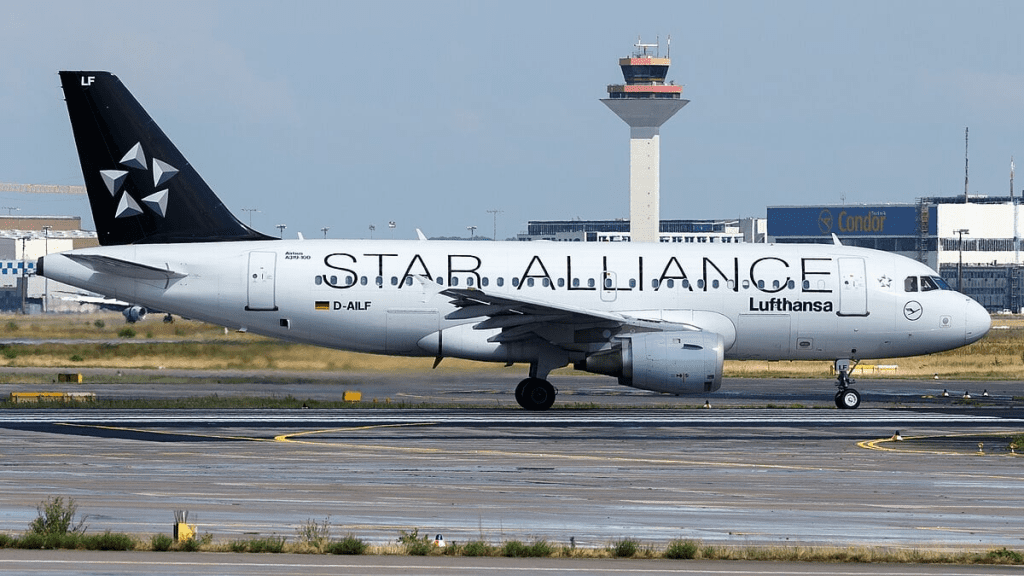
- Star Alliance – The largest, with around 25 members including United, Lufthansa, and Singapore Airlines. Its network spans more than 1,300 airports in nearly 200 countries. On 9 September 2025, Lufthansa City Airlines became the first new member in almost a decade. And at the 2025 Skytrax awards, Star Alliance once again took home the title of World’s Best Airline Alliance, extending its winning streak.
- SkyTeam – This alliance includes Delta, Air France, and Korean Air among its ~20 members. With strong coverage across Europe, North America, and Asia, it’s popular for transatlantic and trans-Pacific travel. In early 2025, SkyTeam became the first global alliance to issue a joint Anti-Human Trafficking Declaration, showing that these networks can deliver real social impact beyond aviation.
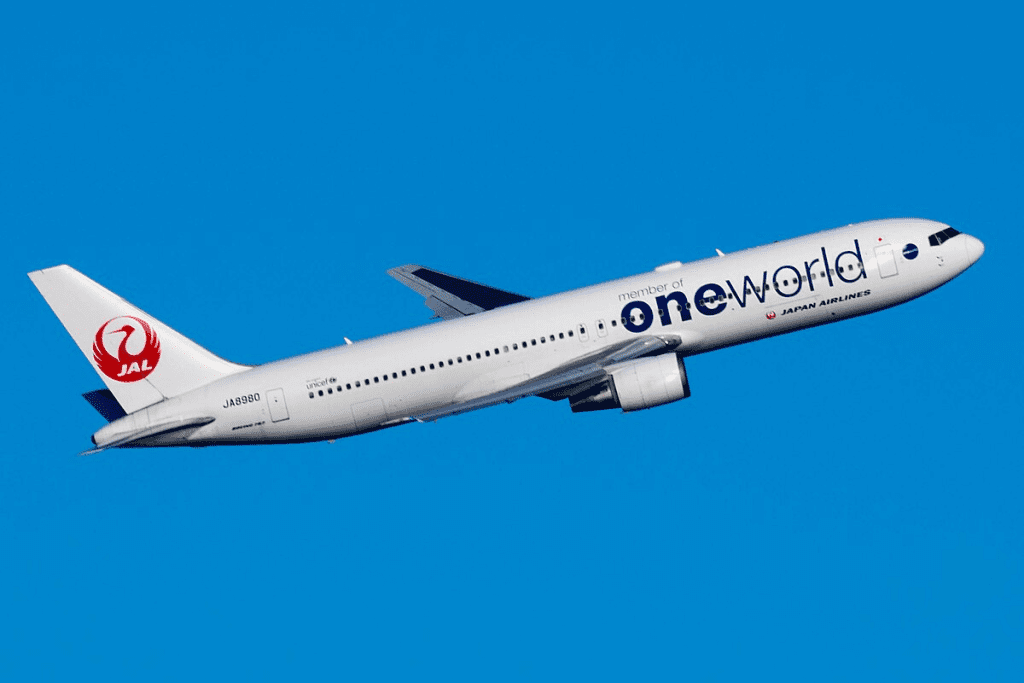
- Oneworld – The most premium-focused group, with American Airlines, British Airways, and Qatar Airways on board. It has fewer members, around 15, but offers standout lounges and long-haul perks. Fiji Airways became a full member in April 2025. Together with partners, oneworld, launched a $150 million fund to accelerate sustainable aviation fuels — a sign of how alliances are also investing in the future of travel.
Together, these three alliances carry well over half of all global passengers. In other words: if you’re flying internationally, you’re probably already in their network.
Did you know?: Star Alliance isn’t just about planes anymore. In Germany, you can book rail journeys with Deutsche Bahn as part of your flight, and in 2025 Austria’s ÖBB joined in with routes linked to Vienna Airport. It’s a sign that alliances are slowly turning into multi-mode travel networks — connecting trains and planes under one ticket.
At Ovago, we know how stressful bad customer service can be when booking flights.
That’s why our 24/7 human support is built to actually help — and we’re improving it every day.
How to choose the right airline alliance
Not all alliances are equal — the best one for you depends on how and where you travel. A few smart tips:
- Check your home airport. If you often fly from a hub dominated by one alliance (like United for Star Alliance at Newark or Delta for SkyTeam at Atlanta), sticking with that group maximizes convenience and perks.
- Think about destinations. Star Alliance has the widest reach globally, while SkyTeam is strong on Europe–US and Asia–US routes. Oneworld leans premium, with excellent coverage for transatlantic and long-haul journeys.
- Weigh the loyalty programs. Earning and redeeming miles is easier when you stay within one alliance. If you already have status with one airline, alliances let those perks carry over to partners.
- Look beyond the flights. Lounges, upgrades, and even social or sustainability initiatives differ between alliances — worth considering if you care about the bigger picture.
Smart travelers often don’t “choose once and forever.” Instead, they pick the alliance that lines up with their current travel habits — and switch if those habits change.
Airline alliances aren’t set in stone — they shift as the industry evolves. A good example: in early 2025, Italy’s flag carrier ITA Airways announced it will leave SkyTeam and join Star Alliance in 2026. Moves like this are rare but important, as they can reshape route networks, loyalty perks, and the way travelers connect across the globe.
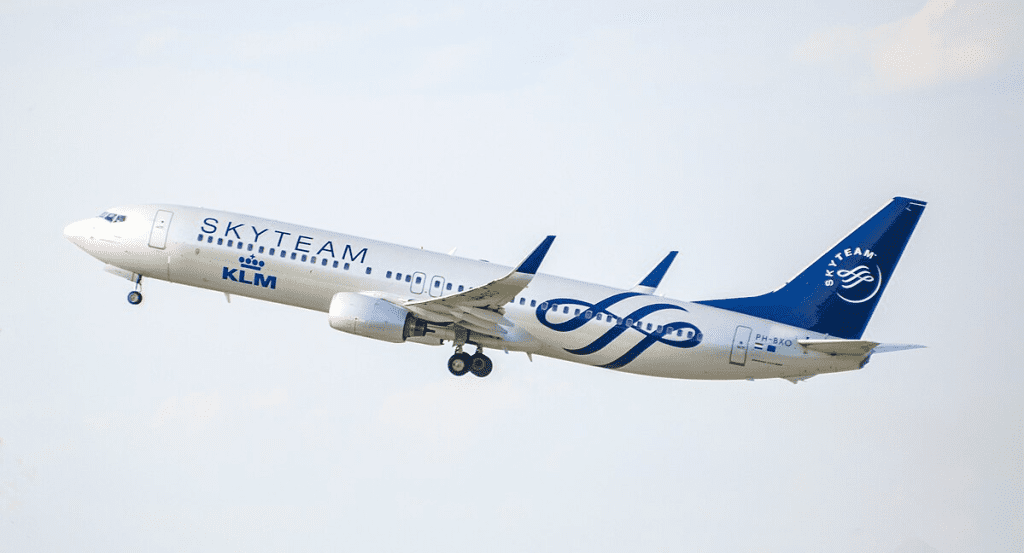
Did you know?: SkyTeam isn’t all business. For its 25th birthday, the alliance celebrated growing from just four founding airlines in 2000 to nearly 1,000 destinations in 145 countries today. And if you’ve ever spotted a plane in sleek silver paint with giant SkyTeam lettering — that’s no special edition mistake. A handful of member airlines gave their jets a matching “SkyTeam livery” so passengers could see the alliance in action before even stepping on board.
Airlines outside the big three: when to choose them and why
Not every airline plays on the alliance team. Some big names — like Emirates, Etihad, JetBlue, Icelandair, and Ryanair — choose to go it alone, while others form smaller groups.
JetBlue, for example, builds one-on-one partnerships across the Atlantic, and Icelandair runs its own hub-and-spoke model through Reykjavík instead of joining a global network.
Why skip the big three? For many, it’s about control. Emirates, for instance, prefers to run its own global hub strategy out of Dubai instead of sharing the spotlight. Low-cost airlines avoid alliances to keep things simple and cheap.
With alliances, you get broad networks, smoother connections, and shared perks like lounge access and frequent flyer reciprocity. With independents or small groups, you may find lower fares or unique routes — but you won’t usually get the same loyalty benefits or seamless transfers. When to choose what? If you fly often and care about perks, alliances are usually the smarter pick. But if price or a direct route matters most, non-alliance airlines can be the better deal.
Did you know?: Oneworld was the first alliance to ditch paper tickets for multi-airline journeys, introducing interline e-ticketing years ahead of rivals. And if you’re a top-tier frequent flyer, Oneworld gives you a rare perk: first class check-in and lounge access, even when you’re flying economy.
Masahiro TAKAGI, licensed under CC BY 2.0Want to get even smarter about using airline partnerships to your advantage? Take a look at our other article for more tips. And don’t forget — book with Ovago for great flight deals, and subscribe to our emails to get fresh travel insights straight to your inbox.