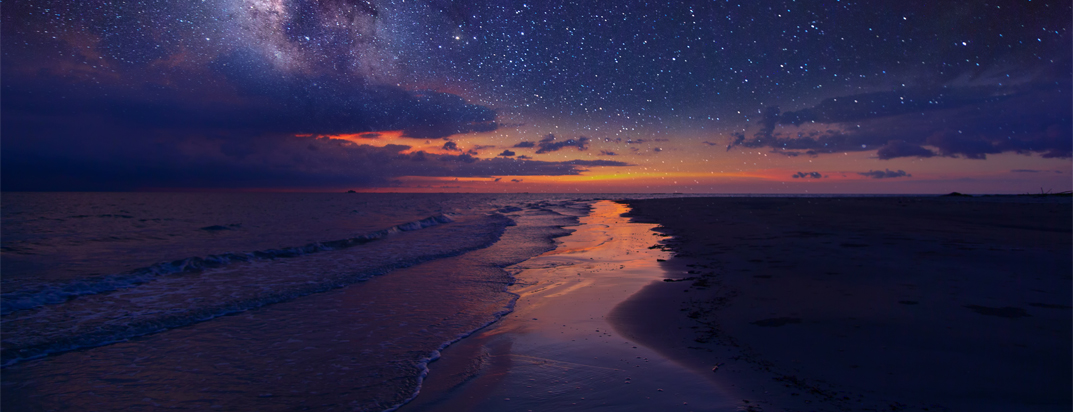

There’s nothing like spotting the soft, silver river of the Milky Way splashed across an ink‑black sky. Yet for most of us city dwellers, light pollution turns that cosmic show into a faint smear – or hides it altogether. Good news: planet Earth still has plenty of true‑dark hideouts.
Below you’ll find eight unbeatable places to see the Milky Way – from high Hawaiian volcanoes to Namibia’s sea of sand – plus down‑to‑earth tips on getting there with Ovago without blowing the travel budget. Better still, most of these dark‑sky hot spots sit within reach of affordable airports served by competitive carriers. Flag those fare drops with Ovago’s multi-city tools, and you could be under Bortle‑2 darkness for less than the cost of a weekend concert ticket. Explore more unusual places to enhance your bucket list.
Read in this article:
1. Big Bend National Park, Texas, USA
Getting there: Book an Ovago multi‑city fare to El Paso (ELP) or Midland (MAF) from $180 round‑trip, then rent a car for the scenic 4‑hour drive south on TX‑118.
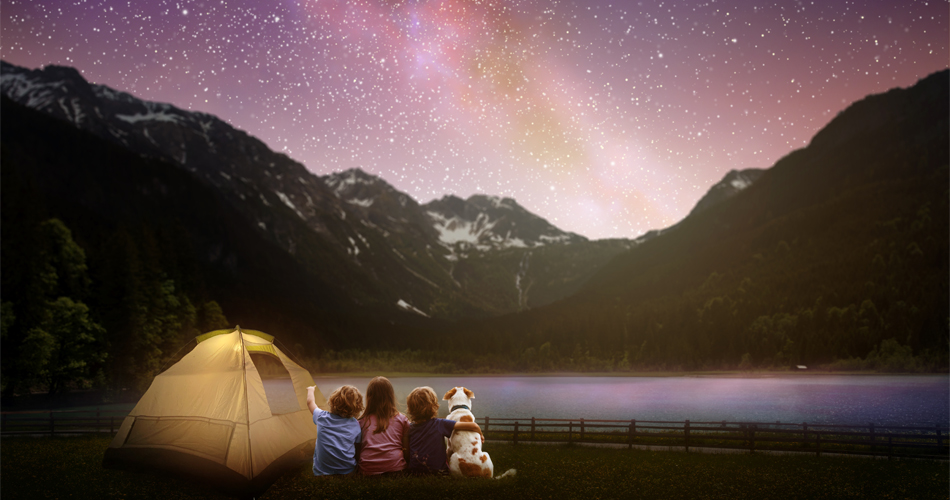
The remote Chihuahuan Desert delivers the darkest measured skies in the continental US. Local rangers say the naked‑eye limiting magnitude here hits 7.0 – bright enough to spy Andromeda without binoculars. Camp beside the Rio Grande and you’ll hear javelinas rustling while the Sagittarius “teapot” pours stars overhead. In spring, bluebonnets fringe the trails, adding daylight color to the nighttime drama.
From Blog to Boarding Pass
One-click secures flights, payment flexibility, and 24/7 Ovago backup for your next stargazing adventure.
2. Mauna Kea, Hawaiʻi, USA
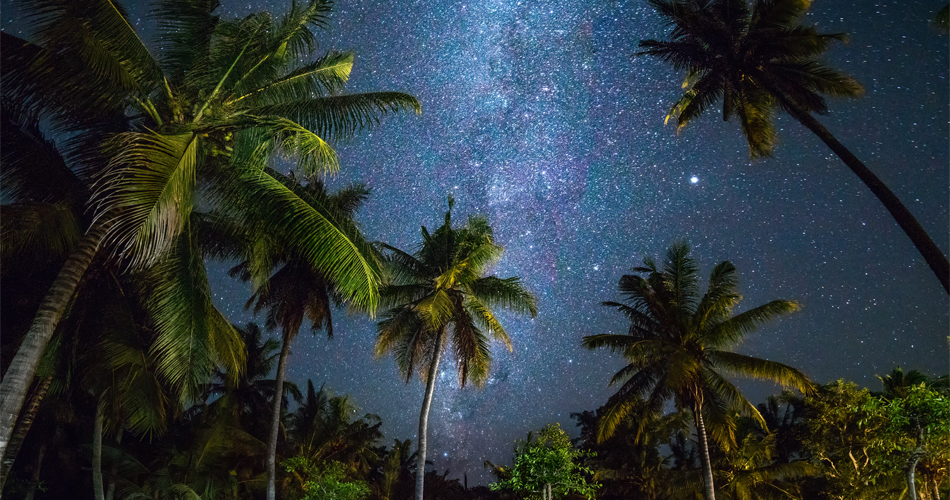
Getting there: Fly Ovago to Kona (KOA) or Hilo (ITO) from West Coast hubs from $350, snag a 4×4 rental, and join a permitted sunset‑to‑stars tour (about $250).
At 13,803 ft, dormant Mauna Kea punches above the clouds, giving professional observatories sub‑arctic clarity only 20° north of the equator. Hawaiian legend calls the summit “the white mountain,” dwelling place of the snow goddess Poliʻahu; modern skygazers come for razor‑sharp Milky Way arches and southern constellations rare on the mainland. Sunset up top, stars at the 9,200 ft visitor station – perfect combo.
3. Jasper National Park, Alberta, Canada

Getting there: Cheap Ovago fares start around $280 into Edmonton (YEG). From the terminal, it’s a relaxed four‑hour VIA Rail ride or drive on the Icefields Parkway.
This Canadian Rockies giant hosts the world’s second‑largest Dark Sky Preserve and an annual October festival where astronomers set up free public scopes. Picture the Milky Way rising over glacial Lake Annette, mirrored twice – once on water, once in the sky. Winter brings bonus aurora borealis streaking across Orion.
4. Atacama Desert, Chile
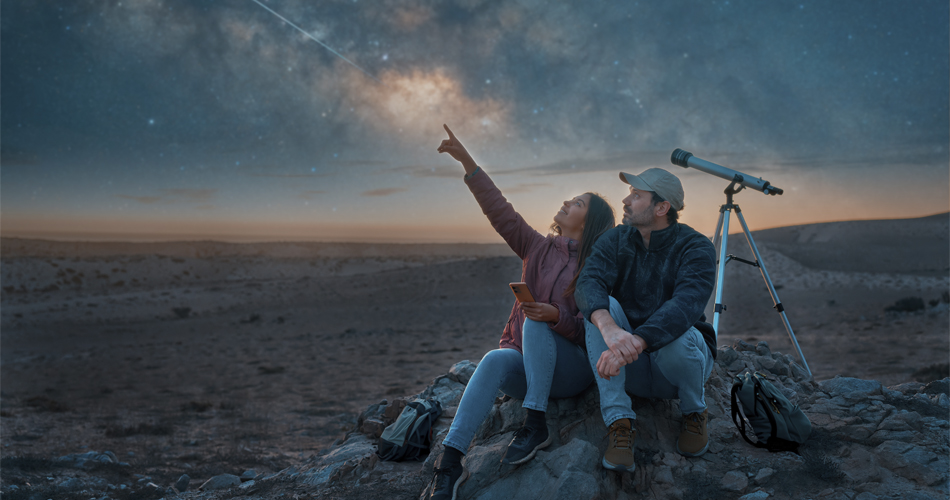
Getting there: Search Ovago for deals from Miami or Dallas to Calama (CJC) via Santiago; off‑season round‑trips hover near $650.
With 300+ crystal‑clear nights a year and air drier than the Sahara, the Atacama is an astrophotographer’s dream. Indigenous Atacameño stories map the dark lanes of the Milky Way – calling the Coalsack nebula “Yakana,” the mother llama. Base yourself in San Pedro and book a night at the ALMA public outreach platform or a boutique desert lodge with rooftop telescopes.
5. La Palma, Canary Islands, Spain
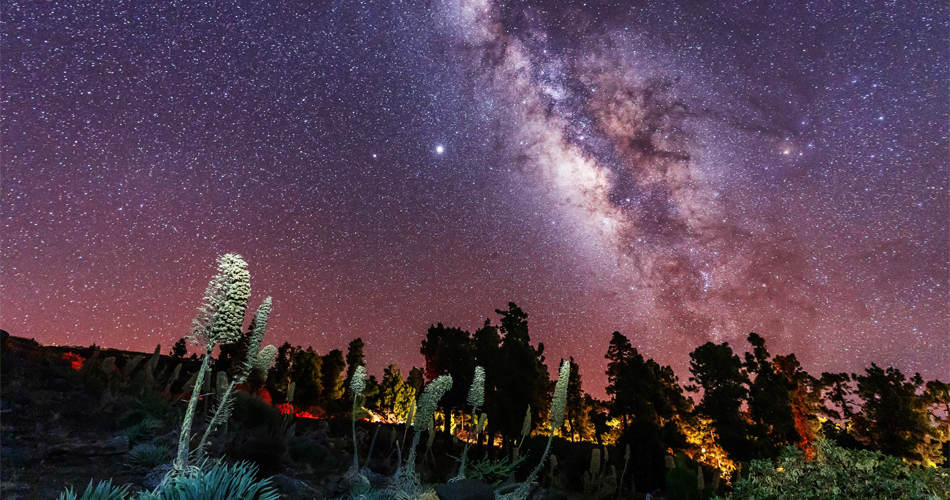
Getting there: Ovago routinely lists $450‑$550 fares from New York to Tenerife North (TFN); a 30‑minute domestic hop lands you on La Palma (SPC).
Trade winds create an “inversion cloud sea” that acts like a giant lid, trapping light pollution below the mountain ridge of La Palma. Up at 7,600 ft on Roque de los Muchachos you’ll share the sky with research giants like GranTeCan, the world’s largest optical telescope. Local folklore says star‑crossed lovers meet every August in the Perseid meteor shower.
6. NamibRand Nature Reserve, Namibia
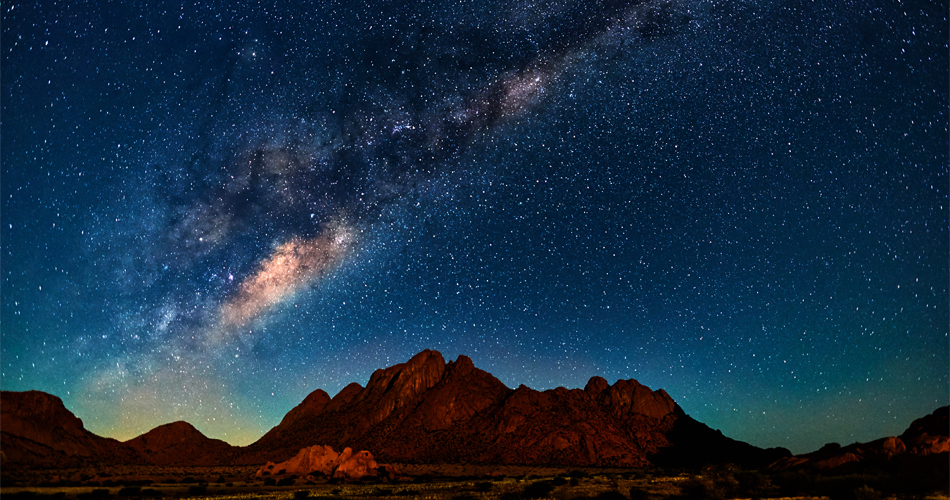
Getting there: Use Ovago’s multi‑city tool – JFK to Johannesburg (JNB) to Windhoek (WDH) – for roughly $720. From Windhoek, it’s a five‑hour gravel adventure; many lodges include overland transfers or tiny‑plane hops.
Picture 500,000 hectares of rust‑red dunes under skies so dark you can cast a moon‑shadow from the Milky Way itself. Certified as Africa’s first Gold‑Tier International Dark Sky Reserve, NamibRand records Bortle‑1 readings—astronomical darkness that rivals remote Pacific atolls. San rock art in nearby Sesriem Canyon proves humans have traced these same constellations for at least 25,000 years, and local guides weave those stories into every night walk.
Peak viewing runs May–September when crisp winter air delivers 200‑mile clarity, the perfect backdrop for bioluminescent “ghost rain” clouds that occasionally drift in from the coast. Eco‑lodges hand out oversized star charts, loan Dobsonian telescopes, and tuck hot‑water bottles into open‑air sky beds so you can fall asleep while the Southern Cross wheels overhead.
7. Aoraki Mackenzie International Dark Sky Reserve, New Zealand

Getting there: Round‑trip Ovago fares from LAX to Christchurch (CHC) dip below $900 outside peak holidays. InterCity buses or rental cars cover the remaining 3‑hour drive.
Southern hemisphere travelers get the galactic core high overhead, plus bonuses like the Magellanic Clouds. From the shores of Lake Tekapo the Milky Way stretches from “south to south” – both horizon ends alight. Māori tradition sees the faint glow as a waka (canoe) guiding souls to the afterlife at Aoraki.
8. Wadi Rum, Jordan

Getting there: Fly Ovago into Amman (AMM) for about $520 round‑trip from Chicago, then hop a $20 JETT bus or shared jeep three‑hours south.
Nicknamed the “Valley of the Moon,” this sandstone maze doubled as Mars in The Martian and Rogue One. By night, though, the real Milky Way steals the show, arcing above 12,000‑year‑old petroglyphs and candle‑lit Bedouin camps. In 2018, UNESCO and the International Dark‑Sky Association certified Wadi Rum as a Dark Sky Reserve—one of only a handful in the Middle East—scoring Bortle 1–2 darkness that makes the galactic core pop like powdered sugar on black velvet.
Spend an evening at RumSky Observatory and you’ll track Saturn’s rings before reclining on woven rugs to watch the Milky Way rise between sandstone “bridges.” Guides brew sweet sage tea and share Nabataean legends while you spot Cassiopeia framing ancient Thamudic inscriptions or make a wish during December’s Geminid meteor storm, which can pour 120 shooting stars an hour.
Note that while the destinations mentioned above offer stunning views of the Milky Way, they’re just the beginning. Take Hanle in India, for instance. This is a remote village in Ladakh, nestled in one of the world’s few designated dark sky reserves. Located at an altitude of 14,700 feet, Hanle is home to one of the highest astronomical observatories on Earth.
Ovago currently lists roundtrip fares from New York to Delhi starting at $550–$650. From Delhi, you can catch a one-hour flight to Leh, then drive about 150 miles to reach Hanle. Though the journey requires planning, permits, and acclimatization to the high altitude, the reward is unforgettable: vast Himalayan plains, silence broken only by the wind, and breathtaking views of the Milky Way stretching across the night sky—no telescope required.
Hanle’s clarity and remoteness make it a haven for stargazers, astrophotographers, and those in search of true solitude. Check out WizTrek’s Ladakh Travel Guide. This is a trusted resource from experts who’ve been helping travelers explore Hanle long before it hit the spotlight.
Stargazing 101: Practical Tips for Travelers
- Chase the new moon. The Milky Way’s core is brightest April–September; pair those months with a moon‑free week for star‑rich black velvet skies.
- Use light‑pollution maps. Free apps like Dark Site Finder show Bortle scale ratings, so you don’t pull up to a campground glowing like Times Square.
- Pack red‑light gear. A $12 red‑LED headlamp preserves night vision and keeps nearby photographers happy.
- Dress like an onion. High deserts and alpine volcanoes plunge 30 °F after sunset – layer synthetics and stash a beanie.
- Go manual on your phone. Set ISO to 1600, shutter 15 s, focus to infinity; a cheap tripod turns a basic smartphone into a star‑catcher.
- Book flights early. For far‑flung dark‑sky parks the cheapest seats pop up 4‑6 months out; Ovago price alerts mean you don’t have to babysit fares.
- Respect local regulations. Some reserves cap visitor numbers or require guided tours – reserve permits and campsites a few weeks in advance.
Considering a romantic getaway to the City of Love? For a well-planned escape, explore the Visit Verona website to resolve any lingering questions or doubts.
Final Thoughts
The Milky Way isn’t hiding – it’s just waiting for you to switch off the city lights and look up. Whether you’re road‑tripping in West Texas or flying halfway around the world, Ovago can help you lock in wallet‑friendly fares so the only thing sky‑high on your trip is the galaxy itself. Ready to chase those stars? Start your search now and let the universe be your night‑light.