See our guide to global festivals that await you in April 2026. Dive deep in cultural traditions and joyous festivities. Explore the history, event highlights, and insider tips for each unique celebration.
Read in this article:
Stuttgart Spring Festival (the Stuttgarter Frühlingsfest)
Where: Stuttgart, Germany
When: Apr 18 – May 10
History: The festival has its roots in the agricultural markets and trade fairs held in the springtime in the region around Stuttgart centuries ago. These events evolved into more elaborate celebrations with amusement rides, food stalls, beer tents, and entertainment. Over the years, the festival has grown in size, scale, and popularity. Now it’s considered Europe’s largest spring festival, attracting millions of visitors each year.
Event overview: Throughout the festival 2026, you’ll have the chance to peruse unique crafts at the market, revel in live musical performances, experience the thrill of roller coasters and numerous other attractions, try excellent beer, and explore authentic German cuisine. Here’s a preliminary schedule of events to expect:
- Opening ceremony (with the traditional barrel tapping): Saturday, April 18
- Family days (providing lower prices and great offers): Wednesdays: April 22, April 29, and May 6
- VfB Stuttgart-Wasenday (providing fans of the VfB Stuttgart football club and their friends with great discounts): is not yet publicly confirmed
- Music fireworks: Sunday, May 10
General tips:
- Make sure you carry enough cash. Cash remains the most reliable method of payment in Germany. While the pandemic has influenced shifts in payment habits among Germans, many establishments still do not accept credit cards.
- Use public transportation instead of driving. Parking is limited in Stuttgart, especially during Frühlingsfest. Take the tram (U-Bahn) or train (S-Bahn) depending on your location. Download the “VVS mobil” app for official and detailed public transport information, including schedules and routes.
- Indulge in authentic local cuisine. Sample dishes like “Käsespätzle,” a delightful twist on mac and cheese, perfect for vegetarians. Don’t miss the classic “Linsen mit Spätzle,” a hearty dish of lentils paired with spätzle, wieners, and smoked pork. For something savory, try “Maultaschen mit Kartoffelsalat,” pasta filled with meat and spinach, served alongside potato salad.
Interesting fact: The official mascot of the festival is a rabbit named Wasenhasi. It’s derived from an ancient Schwabian folk tale depicting rabbits grazing in the Wasen. During the festival, you’ll encounter a life-sized Wasenhasi roaming the grounds. It will eagerly pose for photographs amidst the lively atmosphere of the park.
Find the best flight deals for solo trips or group getaways!
Enjoy exclusive discounts, 24/7 support, flexible payments, and expert help with tricky routes.
Songkran Water Festival (Thai New Year)
Where: Thailand
When: Apr 13-15
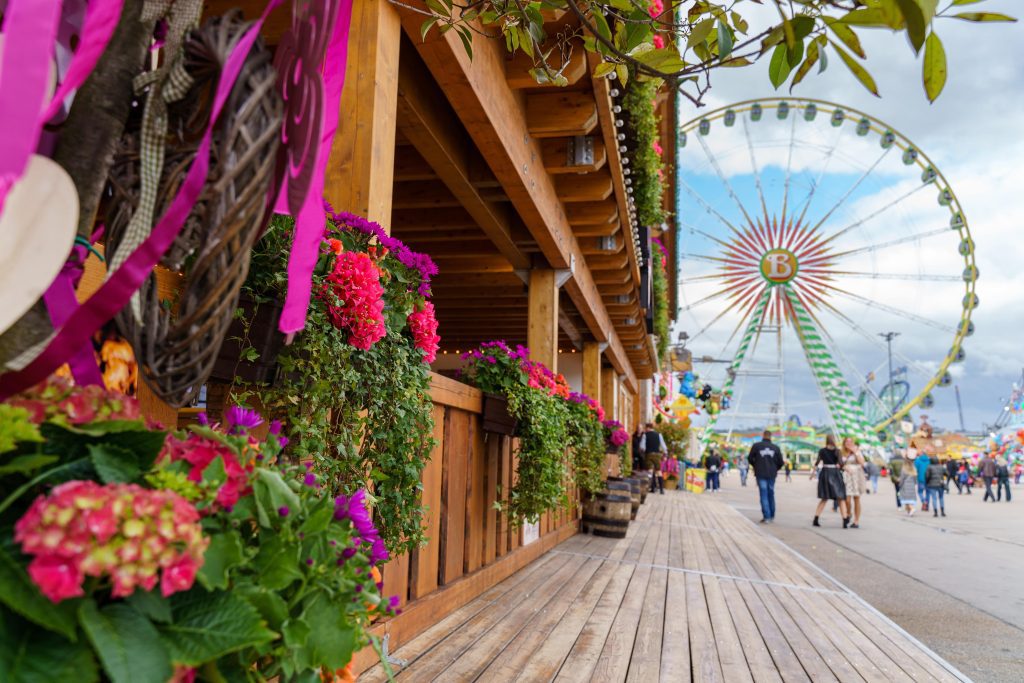
History: The holiday’s history can be traced back to ancient times when water was used as a symbol of cleansing and renewal. Water was poured over the hands and shoulders of respected people as a gesture of respect and blessing. Over time, the tradition evolved into a more lively celebration. People engage in water fights and splash it on one another to wash away the misfortunes of the past year and welcome the new year’s fresh start.
Event overview: The festival spans three consecutive days, engulfing Thailand’s streets and alleys in a jubilant carnival of water. People from all walks of life come together to joyously splash water. Beyond the water festivities, a myriad of exhilarating activities happen, including animal releases and spirited singing and dancing performances. Check out the best destinations to celebrate the holiday:
- Bangkok. Khaosan Road and Silom Road are the liveliest hubs in the city during the festival. Revelers engage in spirited water battles using an array of splash-worthy gear. Meanwhile, music stages, bars, and restaurants enthusiastically join the revelry. Eateries offer a delightful array of Thai delicacies for enjoyment alongside the water- and music-filled merriment.
- Chiang Mai hosts a plethora of traditional festivities, including the revered New Year blessing ceremony. Music enthusiasts will find delight in Huaykaew Road, where grand stages play host to acclaimed rock bands, pop ensembles, and talented DJs.
- Phuket. Thanks to Phuket’s geographical setting, beachgoers revel in water splashing, laughter, and jovial banter during the festival. Patong Bar Street hosts an exuberant Water Festival, where locals transform the event into a spirited “world war” of sorts. Along the street’s storefronts, buckets brim with “combat” water, with some even adding the chilling touch of ice water for an added thrill. Explore an informative guide on how to easily plan your ferry to and from Phuket.
General tips:
- Wear sunglasses. You might find yourself adorned with a gray-white paste made of scented powder and water. Though harmless, it can be uncomfortable if it gets in your eyes. Sunglasses can protect your eyes from both the paste and splashing water.
- Accept that you’re going to get wet. Safeguard your valuables by storing them in a waterproof pouch. Opt for attire that isn’t white, as it tends to become translucent when wet. Refrain from swallowing the water sprayed during the celebrations, as its source is uncertain.
- Learn some traditions and etiquette. Greet others with “sawadee bee mai”. It means “Happy New Year” in Thai. Remember to show reverence to monks. They are held in high regard in Thailand. So, refrain from splashing water at them.
Interesting fact: Songkran is the biggest and the most popular festival in Thailand. It’s also the world’s largest water fight festival, attracting millions of tourists each year.
Zurich Spring Festival (Sechseläuten)
Where: Zürich, Switzerland
When: Apr 20
History: In the 16th century, Zurich’s City Council decided to extend summer work hours by one hour. This change was marked by ringing Grossmünster’s second largest bell precisely at 6 pm on the first Monday after the vernal equinox. This tradition, known as “Sechseläuten”, meaning “the six o’clock ringing of the bells,” has been observed since then.
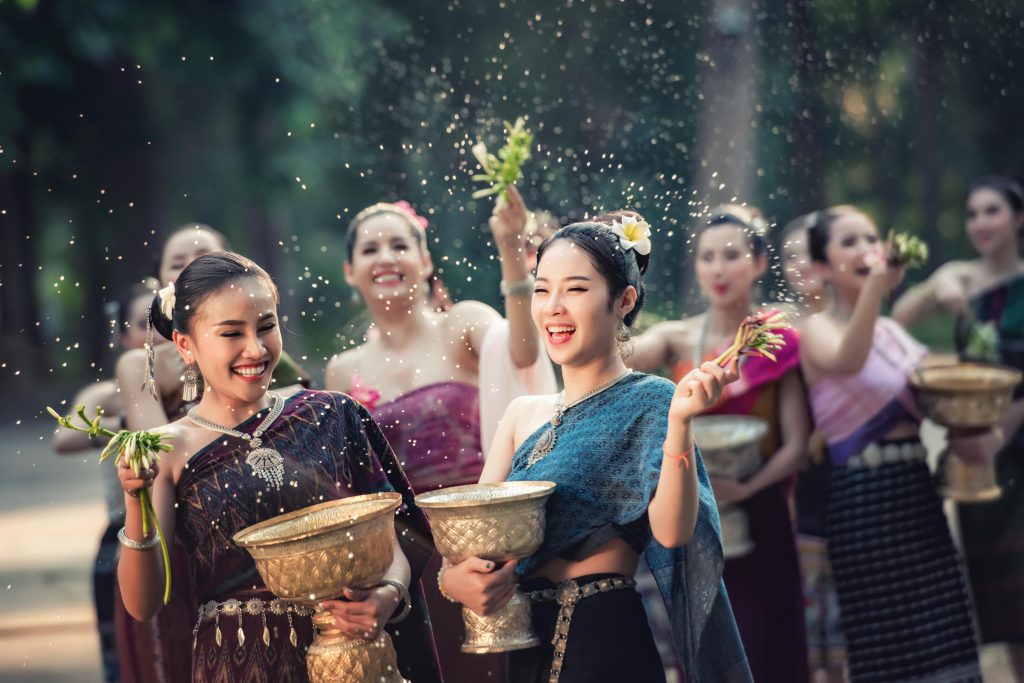
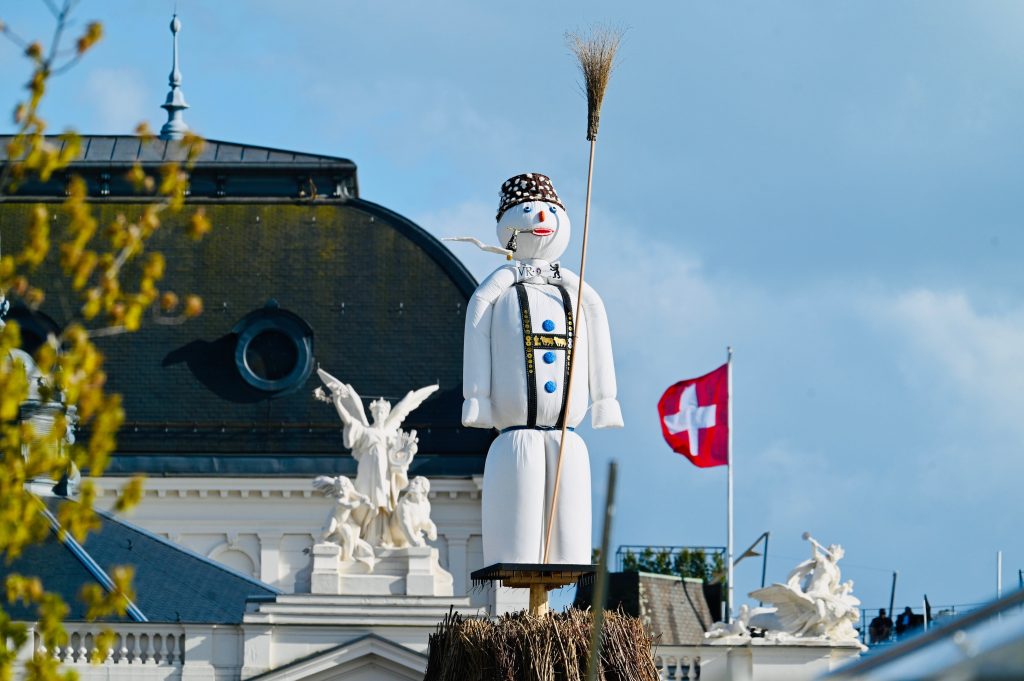
Event overview: The festival features around 3,500 guild members dressed in traditional attire, tens of music bands, hundreds of horses, floral displays, flags, and the Böögg. Today, the Böögg takes center stage: a snowman figure atop a pyre is ignited precisely at 6 pm when the St. Peter church clock chimes.
General tips:
- Opt for public transportation as certain city streets may be closed during the event and parking spots could be scarce. Download the ZVV app, which offers up-to-date timetable information across Switzerland and enables quick ticket and travelcard purchases.
- Be on time for the show. Sechseläuten traditionally begins around 3:00 pm, with the procession moving along Bahnhofstrasse and toward Sechseläutenplatz, where crowds build from late afternoon ahead of the Böögg burning around 6:00 pm. Final timings for 2026 will be confirmed closer to the event.
- Secure a great viewing spot. For a view of the Böögg’s burning, you can join the throngs near Sechseläutenplatz, close to the Bellevue tram stop. Another option is to stand at the ferry docks near Bürkliplatz, offering a clear view across the water. Though a bit distant from the spectacle, you’ll still witness the Böögg burn and catch the explosions.
Interesting fact: Legend states that the faster the fire engulfs the snowman figure and his head explodes, the better the summer will be. Remarkably, Böögg accurately predicted the scorching summer of 2003 when his head burst after an unprecedented 5 minutes and 42 seconds.
Bengali New Year (Pohela Boishakh)
Where: Bangladesh
When: 14 Apr
History: The Bengali New Year has its roots in the Mughal Empire. It was introduced by Emperor Akbar in 1556 AD when he ordered changes to the Bengali calendar to align it with the Islamic Hijri calendar. The celebration of Pohela Boishakh became widespread during the British colonial period in the 18th century when the Bengali elite sought to revive Bengali culture and traditions.
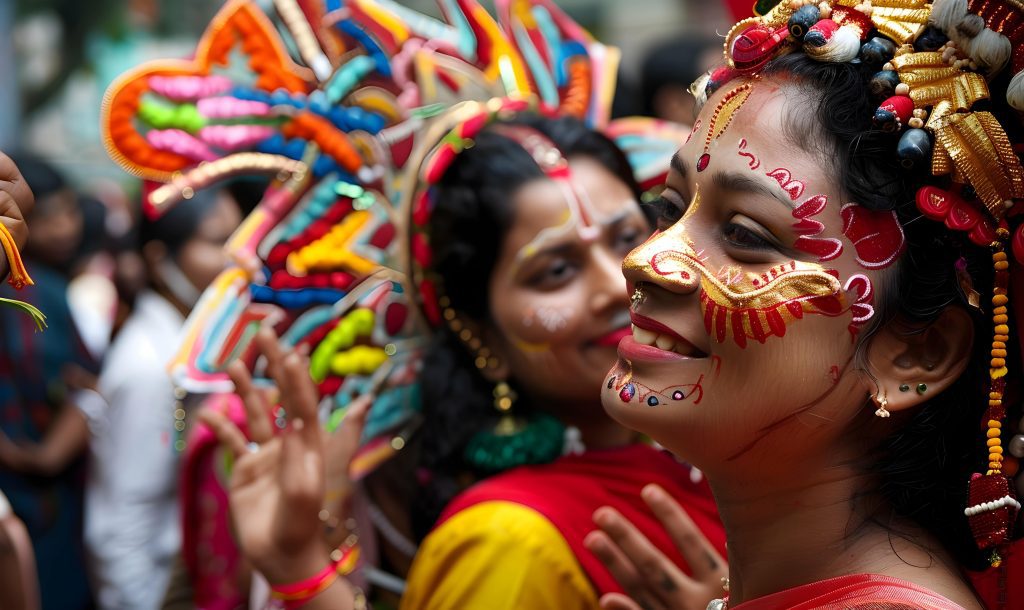
Event overview: Some of the cities where you can experience the festivities of the holiday include Chittagong, Dhaka, Sylhet, and Rajshahi. There the holiday is celebrated with great fervor, featuring vibrant singing, colorful processions, and lively fairs. The festivities include traditional music performances and classical Jatra plays. Bangladeshis embrace the new year by adorning themselves in festive white-red attire, while women adorn their hair with fragrant flowers. As part of the celebrations, elaborate traditional meals are prepared. They include ilish bhaji (fried hilsa fish), panta bhat (watered rice), and a variety of special bhartas (pastes).
General tips:
- Go shopping to dress up. Explore local markets to find the ideal attire for the festivities. Consider purchasing one of the exquisite handmade flower wreaths or floral ribbons to add a touch of charm to your ensemble.
- Mind the heat. Slather on plenty of sunscreen as the festival heats up quickly, despite its morning timing. It’s easy to get swept away in the lively atmosphere and overlook essential needs. Stay hydrated by drinking ample water.
- Capture unforgettable moments! Don’t forget your camera, along with a spare battery and an empty memory card, as photo opportunities are plentiful. Remember to seek permission before snapping someone’s picture. It’s a gesture of respect appreciated by all.
Interesting fact: The Bengali day kicks off with the break of dawn and wraps up at sunset. The tradition of exchanging Pohela Boishakh greetings with family and friends begins at midnight on April 14th.
Read also: Best International Economy Class Airlines
Bengaluru Karaga Festival
Where: Bengaluru, India
When: Apr 2-14
History: Bengaluru Karaga is one of India’s oldest living festivals, with roots that stretch back over a thousand years. It originates from the traditions of the Thigala community, whose ancestors were early settlers and cultivators in the Bengaluru region. The festival honors Draupadi, a central figure of the Mahabharata, revered here as a powerful village goddess. Over centuries, Karaga evolved quietly alongside the city itself (surviving dynasties, colonial rule, and rapid urban growth), while keeping its core rituals unchanged. What makes its history remarkable is continuity: this is not a revived tradition, but one that has never stopped.
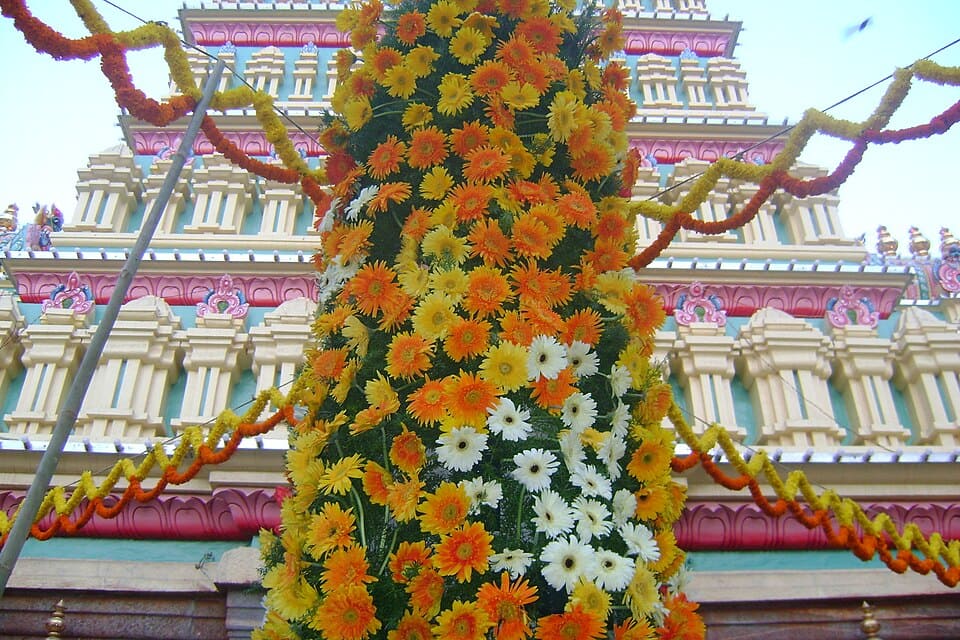
Event overview: The heart of Karaga unfolds in central Bengaluru, beginning at the historic Dharmaraya Swamy Temple and moving through the city’s old neighborhoods. The main procession takes place at night, creating an atmosphere that feels intimate rather than staged. A priest carries the karaga (a sacred floral structure symbolizing Draupadi) balanced on his head, accompanied by rhythmic drums, chants, and torchlight. There are no grandstands or commercial fairs here. Locals line the streets quietly, watching with reverence. The experience is intense, symbolic, and deeply rooted in community life. For travelers, it’s a rare chance to witness a festival that exists for its people first, and visitors second.
General tips:
- Think night-first, not day-first. The most meaningful moments happen after dark. Arrive rested, eat early, and plan your evening around the procession rather than sightseeing earlier in the day.
- Stay close to the old city, even if it looks chaotic on the map. Lodging near Chickpet or Avenue Road may seem overwhelming, but it saves hours of late-night travel when roads are closed and traffic stalls.
- Follow the drums, not the crowd. The sound often reaches a street before the procession does. If you lose sight of it, listen. It’s the fastest way to reposition.
Interesting fact: The karaga must never tilt or fall. The floral structure carried on the priest’s head symbolizes cosmic balance. Keeping it perfectly steady for hours is considered a sacred duty.
Read also: Where to Fly This Spring Without Overpaying
Have you chosen your favorite event for April? Consult VisaHQ for all visa-related information, book your flight, and let the magic of cultural celebration transport you to your dream destination.