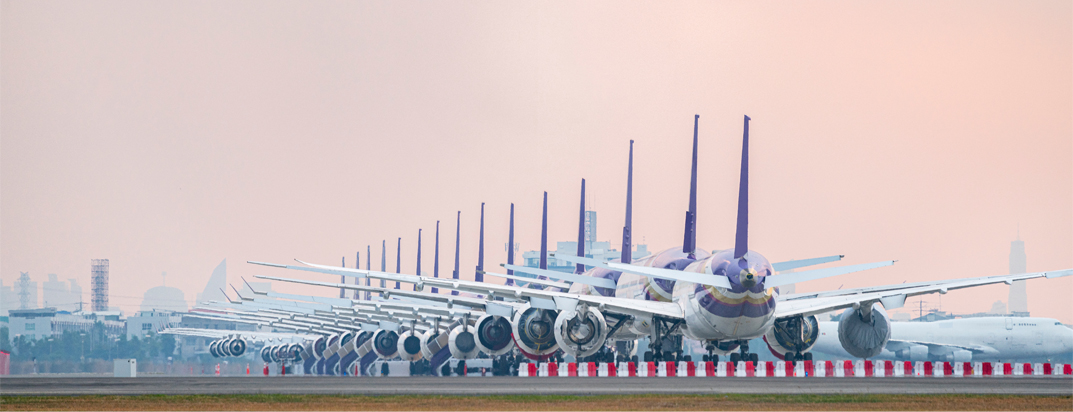

When it comes to flying, safety is a top concern. Many travelers often ask, “what is the safest airline in the world?” In early 2026, the answer is clear: Air New Zealand holds the #1 spot as the world’s safest airline. But it’s not alone at the top – several other carriers have outstanding safety records.
In this article, we’ll introduce the eight safest airlines worldwide for early 2026 and share some intriguing facts and history behind their safety success. We’ll also touch on common questions (like which airline is the safest in the US) and throw in a couple of fun travel safety tidbits along the way. And remember, you can find affordable tickets for these airlines (even in economy class) on the Ovago booking platform without skimping on safety or peace of mind.
For years, aviation safety gurus like AirlineRatings.com and JACDEC have been crunching the numbers, analyzing incident reports, fleet ages, pilot training, and a whole bunch of other important stuff to tell us what is the safest airline. And for early 2026, the results are in!
Read in this post:
What Makes an Airline “Safe” Anyway? It’s Not Just Luck!
Before we jump into the list, let’s quickly touch on what these safety rankings actually mean. It’s not just about an airline not having a major oopsie recently (though that’s a big part of it!). These ratings consider a whole cocktail of factors:
- Serious Incident & Fatal Accident History: This is a biggie. Airlines with a clean or near-clean slate score high.
- Fleet Age & Type: Generally, newer planes equipped with the latest safety tech are a plus.
- Audits from Aviation Governing Bodies: Think of these as the airline’s report card from organizations like the FAA (Federal Aviation Administration) and ICAO (International Civil Aviation Organization).
- Pilot Training & Skill: Well-trained pilots are, without a doubt, a cornerstone of airline safety.
- Safety Innovations & Culture: Airlines that are proactive about safety and foster a strong safety culture often lead the pack.
- Profitability: A financially healthy airline is more likely to invest in maintenance and safety.
So, it’s a pretty thorough check-up! Now, let’s get to the good stuff.

The Elite Eight: Your Go-To Airlines for a Worry-Free Journey in 2026
Please note that rankings can sometimes vary slightly between different rating agencies due to their specific methodologies. However, the airlines consistently appearing at the top are generally recognized for their outstanding safety records.
Here are 8 airlines that are consistently lauded for their commitment to safety:
1. Air New Zealand – The World’s Safest Airline
Air New Zealand (ANZ) is ranked the safest airline in the world. This Kiwi carrier edged out others thanks to its rigorous standards and a modern fleet. In fact, ANZ’s newer planes gave it a slight safety edge over Qantas (the runner-up). The airline is renowned not just for safety but also for its quirky in-flight culture – from humorous safety videos featuring hobbits and rugby stars to friendly service.
Behind the lighthearted approach is a serious commitment to safety: Air New Zealand upholds top-notch pilot training and maintenance practices, which earned it the #1 spot. This is the second year in a row ANZ has been crowned safest. It has maintained a stellar safety record for decades (its last major accident was many decades ago), proving that a small country’s airline can lead the world in aviation safety. Passengers flying ANZ can truly relax, knowing they’re in some of the safest hands in the sky.
From Blog to Boarding Pass
One-click secures flights, payment flexibility, and 24/7 Ovago backup for your safe adventure.
2. Qantas – Australia’s Flying Kangaroo
Coming in at a close second is Qantas, Australia’s flagship airline. How close? Only 1.5 points separated Qantas from Air New Zealand in safety rankings. Qantas has long been synonymous with safety – it famously hasn’t had a fatal accident since 1951. (If you’ve seen Rain Man, you might recall Dustin Hoffman’s character declaring, “Qantas never crashed.” He had a point – Qantas has never lost a jet aircraft and hasn’t suffered a fatal crash in over 70 years!).
The airline’s stellar record is attributed to strict safety protocols and excellent pilot training. Qantas was actually the world’s safest airline in some past years, and in 2023, it briefly held the top spot. In 2025, it’s ranked #2 only because its fleet is slightly older on average than Air New Zealand’s – but it still upholds the highest safety standards. Nicknamed the “Flying Kangaroo,” Qantas is one of the most experienced airlines around (founded in 1920) and remains a top choice for worry-free flying.
3. Cathay Pacific – Hong Kong’s Safety Standout
Cathay Pacific is one of three airlines tied for the third-safest in the world. This Hong Kong–based carrier has an impeccable safety record and a reputation for world-class training. Cathay Pacific has been flying since 1946 and has grown into one of Asia’s premier airlines, all while maintaining a near-spotless safety history. It holds a 7/7 safety rating from AirlineRatings and has had no serious incidents in recent years.
In fact, Cathay’s attention to safety and professionalism put it on equal footing with the other third-place airlines. According to the reputable rankings, “we simply could not separate these airlines” in terms of safety performance. That’s high praise! Cathay Pacific’s pilots are known for their skill (Hong Kong’s tricky old airport approach was a testament to that), and the airline invests heavily in aircraft maintenance and safety drills. For passengers, Cathay Pacific offers peace of mind along with its award-winning service.
4. Qatar Airways – Safety Meets 5-Star Service
Qatar Airways, the pride of the Middle East, also shares the joint third-place spot for the world’s safest airline. Headquartered in Doha, Qatar Airways is known for its luxury service and top-notch safety. It operates a young, state-of-the-art fleet (including many Airbus A350s and Boeing 787s) equipped with the latest technology.
This carrier has maintained a perfect fatality-free record since its founding in 1997, a remarkable achievement. Qatar’s commitment to safety is evident in its stringent pilot training programs and strict adherence to international safety audits (IOSA and ICAO standards).
In the safety report, Qatar Airways was tied with Cathay Pacific and Emirates for third place – their safety scores were identical. That means Qatar Airways is right up there with the best of the best. Passengers frequently praise Qatar for its in-flight comfort (it often wins “Airline of the Year” awards), but behind the scenes, the airline is equally focused on keeping every flight incident-free. If you’re flying one of Qatar’s long-haul routes (say, from the US to Africa or Asia via Doha), you can feel confident about its safety – and enjoy a little luxury too, even in economy.
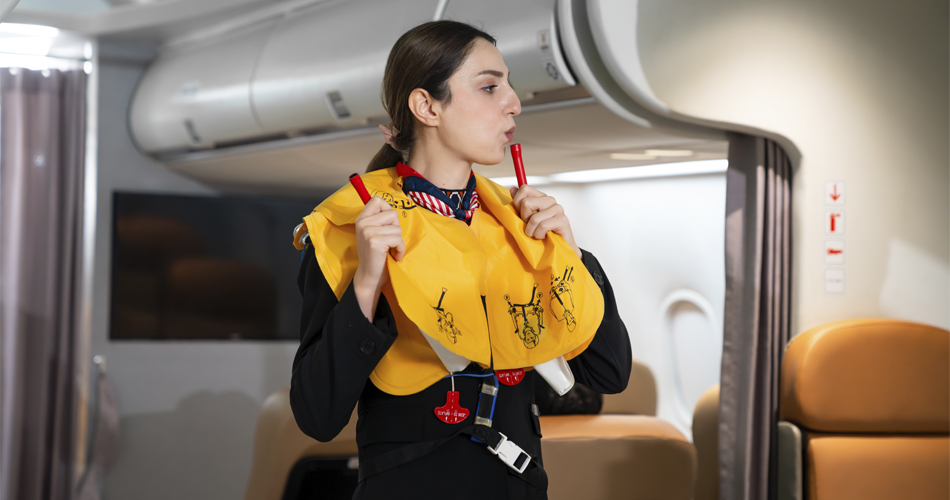
5. Emirates – Dubai’s Ultra-Safe Global Giant
If you fly often, chances are you’ve seen the Emirates red-and-gold tail everywhere. The Dubai-based carrier sits in a three-way tie for third on the “safest airline in the world” list, right beside Cathay Pacific and Qatar Airways. That’s quite a feat for the world’s largest international airline.
Zero passenger fatalities in four decades. Since launching in 1985, Emirates has chalked up just one hull-loss accident: flight EK 521 in 2016. All 300 passengers and crew walked away; only a firefighter tragically lost his life during the rescue. In the risk-averse world of aviation, a spotless fatal-accident record buys massive credibility.
A modern, tech-packed fleet (average age ≈ 11 years). Emirates keeps its birds young: the fleet averages about 10.9 years, and shiny new Airbus A350-900s arrived in late 2024. Thousands more seats will be replaced as the airline gears up for next-gen Boeing 777X deliveries, ensuring the latest avionics and safety tech ride shotgun on every flight.
Safety culture that never sleeps. Emirates holds a perfect 7⁄7 safety rating and maintains an in-house Training College that logs over 7,000 simulator hours every week for its pilots. Add a dedicated Safety Action Group that combs through flight-data reports before your suitcase even hits the carousel, and you get an airline that treats safety like Dubai treats skyscrapers: taller, shinier, and always under construction.
6. Etihad Airways – Abu Dhabi’s High-Tech Safety Innovator
Etihad Airways, Emirates’ safety-obsessed cousin from Abu Dhabi, may be younger (founded in 2003) but has quickly earned a sterling reputation.
Fun fact: “Etihad” means “union” in Arabic – fitting for an airline uniting global travelers through its hub.
With one of the youngest fleets (average aircraft age under 9 years), Etihad packs its planes with the latest safety technology and creature comforts. The airline has never had a fatal accident, a testament to its rigorous safety culture and training programs. In fact, Etihad achieved its 10th consecutive IATA Operational Safety Audit (IOSA) with zero findings – a perfect score maintained since 2006. That’s like acing every safety exam for nearly two decades straight!
Etihad’s safety protocols are state-of-the-art. From advanced predictive maintenance systems that fix issues before they become problems, to a Safety Management System lauded by UAE authorities for using AI to enhance safety, this airline leaves nothing to chance. Pilots and crew undergo continuous training (they probably do safety drills in their sleep). It’s no surprise Etihad is consistently ranked among the world’s safest airlines (5th safest in 2025) and holds a perfect seven-star safety rating. They take “safety first” so seriously, you might even catch yourself relaxing in economy class – because peace of mind is part of the package.
7. ANA – Japan’s Precision-Perfect Safety Zen
All Nippon Airways (ANA) combines Japanese precision with top-notch safety, making every flight feel “zen” in the skies. Founded in the early 1950s, ANA has grown into Japan’s largest airline – and one of its safest. This is the airline that helped debut Boeing’s high-tech 787 Dreamliner (ANA was the launch customer for the 787 in 2011, embracing cutting-edge aircraft for a safer, more efficient fleet). True to form, ANA keeps a modern fleet with an average age around 10 years, and it’s packed with advanced safety features like collision-avoidance systems and sophisticated autoland tech.
Safety is practically a national art form here: crews adhere to meticulous protocols and drills with the same attention to detail the Japanese bring to, say, a tea ceremony. The result? No fatal accidents in recent history, and a flawless reputation for reliability. ANA’s pilots undergo frequent training refreshers, and the airline is IOSA-certified for its rigorous safety management.
It regularly ranks among the world’s safest (most recently placing 6th), and consistently wins awards as one of the best airlines overall. Flying with ANA, you’ll notice the cabin crew’s politeness and efficiency – behind that is a deeply ingrained safety culture. (They’d probably apologize to turbulence if they could!) Whether you’re in economy or business, you can sit back knowing this Japanese carrier has safety down to a science.
8. Alaska Airlines – America’s Frontier Safety Trailblazer
Rounding out our list is Alaska Airlines – proof that a friendly, budget-conscious carrier can also be a safety superstar. If you’re wondering what the safest airline in the US is, Alaska often tops the charts. Born in 1932, flying rugged routes in Alaska, this airline grew up navigating some of the world’s trickiest flying conditions (icy runways and mountain weather, anyone?). That pioneer spirit led Alaska to innovate for safety – it was one of the first airlines to adopt GPS-based Required Navigation Performance (RNP) technology for safer landings in fog and mountains. (This means: they can safely thread a 737 through Alaska’s foggy fjords like a sewing needle.)
Alaska’s safety record is excellent. The airline hasn’t had a major accident in over two decades and continuously earns praise for its strong safety practices and crew training. It operates a fleet of Boeing and Airbus jets with an average age of about 11 years, all well-maintained like trusty steeds. In 2025, Alaska was even ranked the 9th safest airline in the world – not too shabby for a carrier that mainly flies domestically and to vacation spots! The airline’s commitment to maintenance and on-time performance has won it multiple safety awards. Plus, Alaska’s cheerful crew and that iconic smiling Eskimo logo on the tail will make you feel at home. They prove that flying economy with a low-cost, high-safety airline is totally possible – and even enjoyable.
Beyond the Rankings: More Tidbits for the Curious Traveler
- What was the shortest airline route? While this can change, one of the most famously short routes is between Westray and Papa Westray in Scotland’s Orkney Islands, operated by Loganair. The flight can take less than a minute, depending on the wind!
- Longest Flight Marathon: On the flip side, the longest nonstop flight will test your movie-watching endurance. Singapore Airlines’ Singapore to New York route covers about 9,537 miles and takes 18 hours and 50 minutes in the air. That’s nearly 19 hours aloft – about as long as it takes to watch the entire Lord of the Rings trilogy and The Hobbit! The good news is ultra-long-haul flights like this use high-tech jets (Airbus A350s) and are operated by top-notch crews with multiple rest breaks.
- Safest Travel Destinations 2026: While airline safety is crucial, you might also be wondering about safe destinations. Countries like Iceland, New Zealand, Canada, Switzerland, and Japan often rank high on global peace and safety indexes. Of course, always check current travel advisories before planning any trip.
- Low-Cost, High Safety? Thinking that budget-friendly means cutting corners on safety? Not necessarily! AirlineRatings.com also ranks the safest low-cost carriers. HK Express, Jetstar Group, Ryanair, and easyJet are among the top performers in this category. So yes, you can find cheap flights without compromising your peace of mind!
- Lightning Strike? No Biggie: Here’s a comforting fact for nervous fliers: Commercial planes are hit by lightning on average once or twice a year, yet incidents from lightning are extremely rare. Airliners are engineered like flying Faraday cages – they conduct lightning safely around the fuselage and back out, with no harm to the aircraft. There hasn’t been a lightning-caused crash of a modern airliner in decades. So if you see flashes out the window, know that your plane can handle Mother Nature’s electric show. (The pilots will typically route around storms anyway to avoid the bumpiness.)
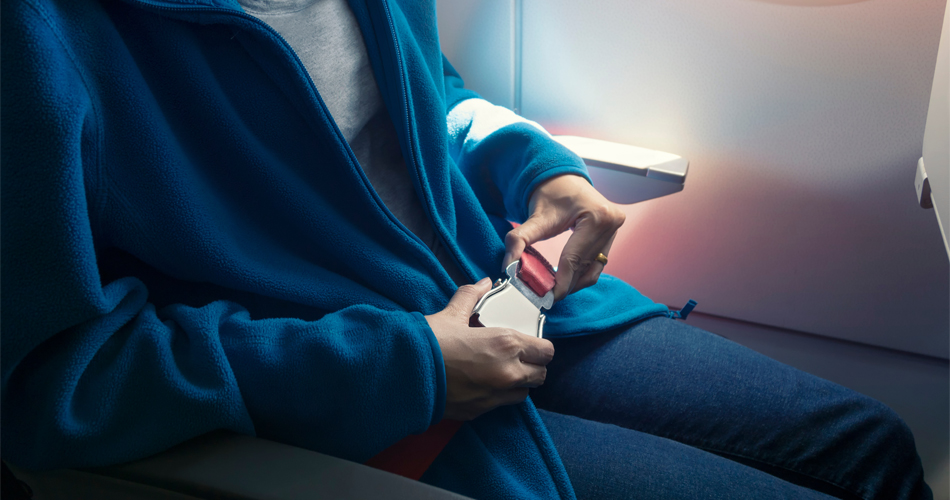
- Turbulence Truths: Ever felt your stomach drop during a bumpy flight? Turbulence can be unnerving, but the planes themselves aren’t bothered. Modern aircraft are built to withstand even severe turbulence without damage – wings flex, but they won’t snap! And pilots are trained to navigate rough air like pros, slowing down and changing altitude to give you a smoother ride. In fact, turbulence rarely causes injuries beyond a few unbuckled passengers hitting their heads (so do keep that seatbelt on). Next time you hit a patch of “sky potholes,” just imagine you’re on a bumpy road – inconvenient, but not unsafe.
- Record Safety Levels: If all these facts haven’t eased your mind, consider this: recent years have been among the safest in aviation history. In 2023, there were zero fatal accidents involving passenger jets out of 37.7 million flights – the safest year on record for flying. Statistically, the odds of an accident are infinitesimal (on the order of one in many millions of flights). You’re far more likely to win the lottery than experience a crash, and far, far more likely to have a fender-bender on the drive to the airport. Flying truly remains the safest way to travel.
Pack your sturdiest hiking boots, a sense of adventure, and a willingness to embrace the local way of life, and you’ll discover an island that truly redefines “getting away from it all.”
Fly Safe, Save Money, and Enjoy the Ride
When someone asks “what airline is the safest?”, or “which is the safest airline in the world?”, the answers often include the heavy-hitters we’ve discussed – carriers like Qantas, Air New Zealand, Emirates, ANA, Etihad, and more, all leading the pack in early 2026. And if you’re specifically wondering “what is the safest airline in the US?”, look no further than Alaska Airlines, which gives larger American carriers a run for their money in safety and service.
Best of all, flying with the safest airlines doesn’t mean spending more money on tickets. You can snag great deals on economy tickets with these carriers – try using Ovago to find budget-friendly fares and promotions. (Why not fly both safely and cheaply?)
After all, you’ve done your homework on what airline is the safest – now it’s time to enjoy the adventure. Safe travels and happy landings!